Better Water Starts at Home: A Practical Guide to Cleaner, Healthier Water
Water is one of those things we often take for granted. Turn on the tap, fill a glass, and move on with the day. But have you ever stopped to think about what is actually traveling through your home’s pipes? Depending on where you live, tap water can contain excess minerals, chlorine, sediment, or other unwanted substances. That’s where a good home water treatment approach can make a real difference.
Clean water isn’t just about taste. It’s about making everyday life a little easier, protecting your plumbing, and feeling more confident about the water your family uses for drinking, cooking, bathing, and cleaning.
Why Water Quality Matters at Home
Every household has different water needs. Some homes deal with hard water, while others may struggle with unpleasant taste or odor. In certain areas, groundwater can carry higher levels of minerals such as calcium, magnesium, or iron.
These issues might not always be obvious at first. You may notice white spots on taps, dry-feeling skin after a shower, or a strange taste in your morning tea. Sometimes, the signs are even less noticeable.
That’s why understanding your home’s water quality is a smart first step. A basic water test can help identify what’s actually present instead of relying on guesswork.
Understanding Whole-Home Water Treatment
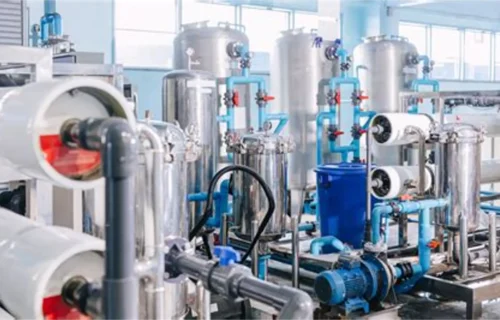
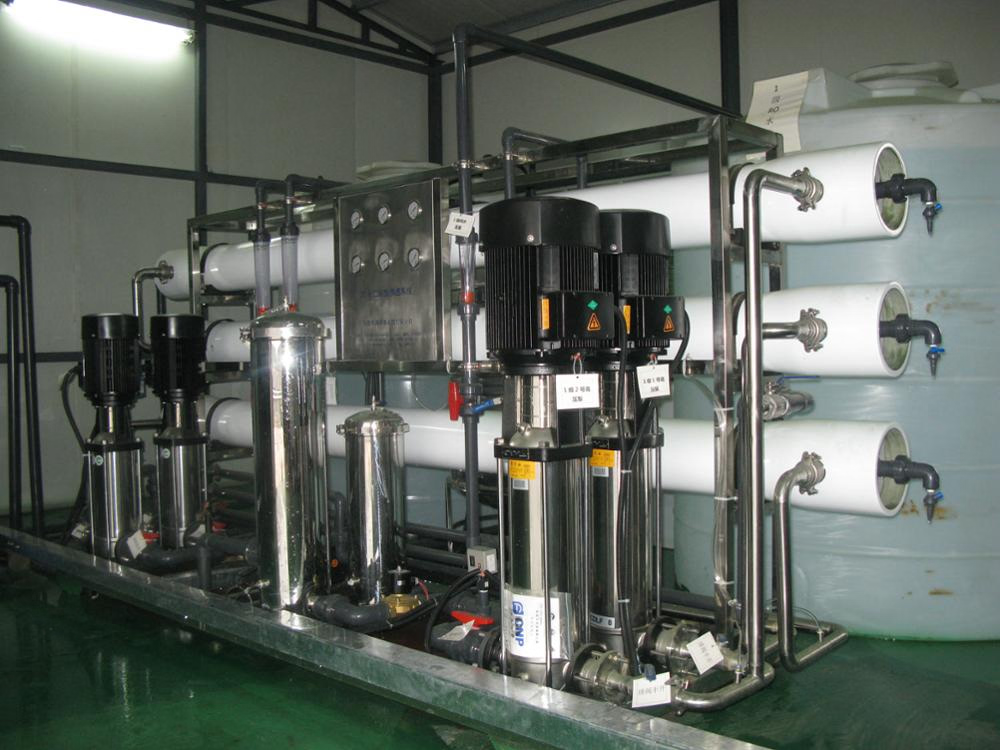
A point-of-use filter can be useful for drinking water, but it doesn’t address everything entering your home. A whole house water treatment system is designed to treat water at a broader level, helping provide cleaner water throughout the property.
Think about how much water your family uses every day. It’s not only the water in your drinking glass. You also use water for showers, laundry, dishes, cooking, and brushing your teeth. Treating water as it enters the home can therefore offer a more complete approach.
The right setup depends on your water source and its specific quality concerns. Some homes may need sediment filtration, while others may benefit from additional treatment technologies.
The Problem With Hard Water
Hard water is incredibly common, and for many homeowners, it’s more than just a minor annoyance. Hard water contains elevated amounts of minerals, particularly calcium and magnesium.
Over time, those minerals can leave deposits on faucets, showerheads, sinks, and appliances. You might notice a chalky film around the bathroom or find that your dishes never seem completely spotless.
Hard water can also make soap and shampoo harder to rinse away. Clothes may feel rough after washing, and water-using appliances can develop mineral buildup.
The good news is that hard water is a manageable problem when the right treatment is selected.
Choosing the Right Water Softener
Water softeners are designed specifically to address hardness. However, not every household needs the same setup. The size of your family, water usage, plumbing configuration, and level of hardness all matter.
Modern water softener solutions can help reduce the minerals responsible for many common hard-water problems. With properly treated water, homeowners may notice cleaner-looking fixtures, softer-feeling laundry, and less scale buildup around appliances.
It’s worth remembering that a water softener isn’t necessarily a complete water purification system. If your water has other concerns, such as sediment or certain contaminants, additional filtration may be needed. In other words, the goal isn’t to buy the biggest system available. It’s to choose the system that actually fits your water.
Better Drinking Water, Every Day
For many families, drinking water is the biggest reason to pay closer attention to filtration. Water that tastes fresh and clean is simply more enjoyable to drink.
A suitable filtration or purification system can improve taste and odor while addressing specific water-quality concerns identified through testing. This can make it easier for everyone at home to reach for a glass of water instead of another packaged drink.
Of course, treatment should always match the source water. A system that works wonderfully in one home may not be the right choice for another. Testing first can save money and prevent unnecessary treatment.
Don’t Forget Your Plumbing and Appliances
Water quality affects more than just people. Your plumbing and household appliances have to deal with the water every single day.
Mineral buildup can gradually affect water heaters, washing machines, dishwashers, faucets, and other equipment. When deposits accumulate, appliances may have to work harder and maintenance can become more frequent.
Treating the water entering your home can help reduce some of these problems. It’s a practical investment that can potentially support the long-term performance of water-using equipment.
Making Water Treatment a Long-Term Habit
Installing a system is only part of the job. Regular maintenance matters too. Filters need to be replaced according to their requirements, tanks may need servicing, and systems should be checked periodically to make sure they’re working as intended.
It’s easy to forget about water equipment because it usually works quietly in the background. Still, a few minutes of attention now and then can prevent bigger headaches later.
If you’re unsure what your home actually needs, start simple. Test the water, identify the problem, and then look at treatment options based on those results.
A Small Change That Can Improve Everyday Living
Good water doesn’t need to be complicated. The right treatment system can help make ordinary routines—from making coffee in the morning to taking a shower at night—feel a little better.
More importantly, homeowners don’t have to guess their way through the process. Water testing, professional advice, and properly maintained equipment can take much of the uncertainty out of choosing a solution.
Ultimately, investing in high-quality drinking water and better water management is about more than installing equipment. It’s about creating a home where the water you use every day is something you can feel comfortable relying on. And honestly, that’s one household improvement you tend to appreciate more with every glass you drink.