Water is one of those things most people rarely think about until something goes wrong. A strange taste in the glass, white marks around the faucet, dry skin after a shower, or an appliance that seems to wear out too quickly can all be signs that the water entering your home needs a closer look.
Good water treatment isn’t simply about making water look clear. It’s about understanding what’s actually in your water and choosing a solution that fits your household, lifestyle, and local water conditions. For homeowners managing everything from heating and air conditioning needs to plumbing and water quality, taking a whole-home approach can make everyday life noticeably easier.
Why Water Quality Matters More Than You Might Think
Tap water can contain minerals, sediment, chlorine, metals, and other substances depending on its source and the condition of the local supply. Municipal water is treated and monitored, but that doesn’t mean every home receives water with exactly the same characteristics.
Your plumbing also matters. Older pipes, storage tanks, or changes in the local water supply can affect what eventually comes out of your faucet.
Sometimes the clues are obvious. Hard water may leave chalky deposits on showerheads and sinks. Other times, the issue is less visible. Water can look perfectly normal while still having an unpleasant taste or causing gradual buildup inside plumbing and appliances.
That’s why testing is a sensible first step. Rather than guessing, homeowners can identify the actual water-quality concerns and then choose treatment accordingly.
Understanding Hard Water and Mineral Buildup
Hard water is common in many areas and is mainly associated with dissolved calcium and magnesium. These minerals aren’t necessarily a reason to panic, but they can create plenty of household headaches.
Soap may struggle to lather properly. Glassware can come out of the dishwasher with spots. Faucets develop crusty deposits, and water heaters may accumulate scale over time.
This is where water softening can make a practical difference. A properly selected softening system can reduce hardness before water travels through the home’s plumbing. The result may be easier cleaning, better soap performance, and less mineral buildup on fixtures and appliances.
It’s not about making water “perfect.” It’s about reducing a specific problem that can quietly cost homeowners time and money.
When Whole-Home Filtration Makes Sense
Not every household needs the same level of filtration. A home dealing with sediment may need something different from one concerned about chlorine taste or specific contaminants.
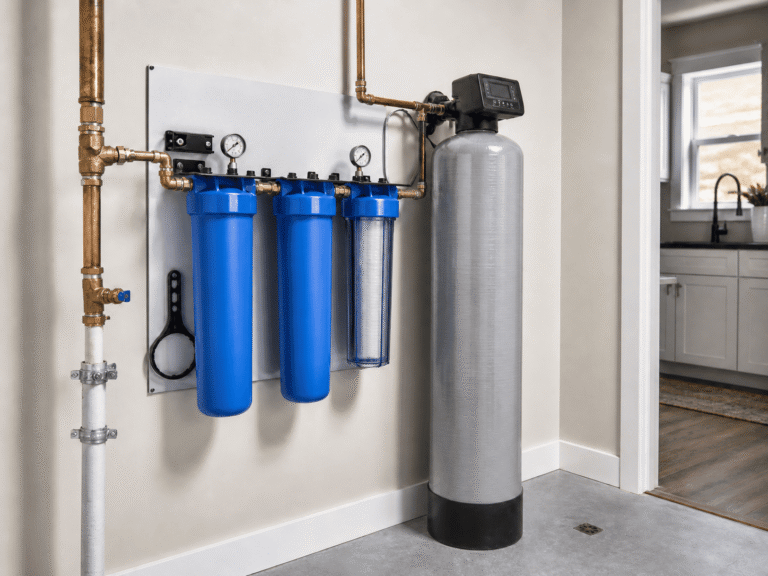
A whole home water filtration system treats water at the point where it enters the property, helping provide filtered water throughout the house rather than limiting treatment to a single faucet.
That can be especially useful for families who want cleaner-feeling shower water as well as better-tasting water at the kitchen sink. Depending on the system, filtration may target sediment, chlorine, odors, and other unwanted substances.
The key is matching the filter technology to the water problem. A basic sediment filter won’t solve every issue, and assuming one system can handle everything is a common mistake.
Cleaner Drinking Water at the Kitchen Sink
Drinking water deserves special attention because the kitchen is where many families use water directly for cooking, drinking, coffee, tea, and ice.
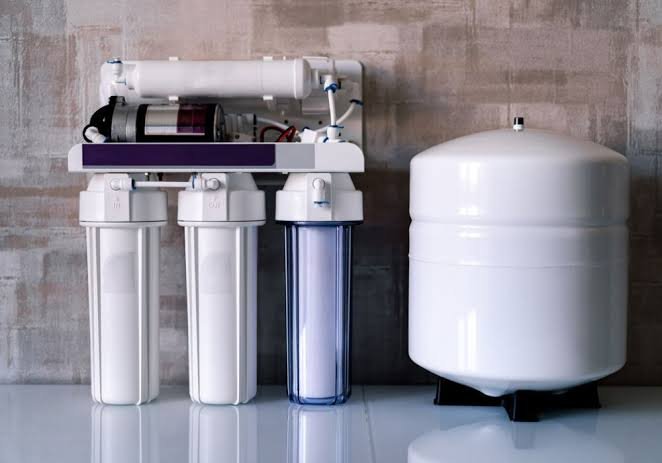
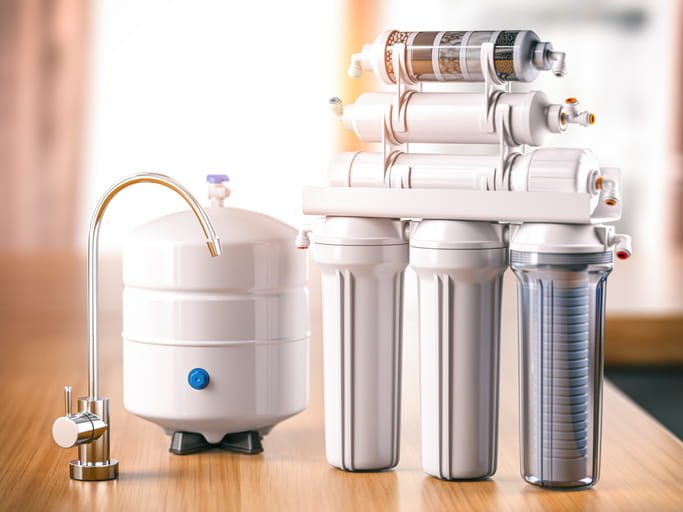
For households looking for additional purification at the point of use, reverse osmosis is one option worth considering. Reverse osmosis systems use a semi-permeable membrane along with other filtration stages to reduce a broad range of dissolved substances.
These systems are often installed under the kitchen sink and can provide treated water from a dedicated faucet. They can be particularly appealing when homeowners want a higher level of treatment for drinking and cooking without treating every gallon used for toilets, laundry, or outdoor activities.
Still, reverse osmosis isn’t automatically the best answer for every home. It can produce wastewater during the filtration process and requires regular filter and membrane maintenance. Again, water testing should guide the decision.
Don’t Forget the Rest of the Home
Water quality doesn’t exist in isolation. Homeowners often think about plumbing, electrical work, heating, cooling, and water treatment as separate concerns, but they all contribute to how comfortable and efficient a property feels.
Choosing top-quality hvac services can help keep heating and cooling equipment operating efficiently, while properly maintained water treatment equipment can protect plumbing and water-using appliances. Regular maintenance is usually less stressful than waiting for a major breakdown.
The same principle applies to businesses. Restaurants, hotels, offices, laundries, and other commercial properties may have much larger water demands and more complicated equipment.
Water Treatment for Businesses and Commercial Spaces
Commercial properties have different requirements from residential homes. A restaurant, for example, may depend heavily on reliable water for food preparation, cleaning, ice machines, dishwashers, and sanitation.
In food-related businesses, commercial refrigeration services are another important part of keeping operations running smoothly. Refrigeration equipment and water systems may seem unrelated, but both are essential behind-the-scenes systems that support daily business.
Commercial water treatment may involve filtration, softening, reverse osmosis, or other specialized technologies depending on the property’s water source and equipment. The right setup can help reduce scale, improve equipment performance, and support consistent operations.
Maintenance Is Where the Real Value Appears
Installing a water treatment system is only part of the job. Filters need changing. Tanks and valves may need inspection. Some systems require salt replenishment or membrane replacement.
Skipping maintenance can reduce performance and may eventually lead to unnecessary repair costs.
A simple maintenance schedule helps. Keep track of filter-change dates, watch for changes in water taste or pressure, and have the system inspected when something seems unusual. It’s a small habit, but it can extend equipment life.
Choosing a Water Treatment Company
Before choosing a provider, ask questions. What contaminants does the system address? Has the water been tested? What maintenance is required? Are replacement filters readily available? Is installation handled by trained technicians? What happens if the equipment needs service later?
A trustworthy company should be willing to explain the system without drowning you in technical jargon.
Good water treatment isn’t about buying the biggest system or the one with the longest list of features. It’s about solving the problems your water actually has.
A More Comfortable Home Begins With Better Water
Water treatment is easy to overlook because it works quietly in the background. Yet when the right system is installed and maintained, the benefits can show up in surprisingly ordinary moments — cleaner fixtures, better-tasting drinking water, fewer mineral deposits, and appliances that aren’t fighting unnecessary buildup.
Start with a water test. Understand what you’re dealing with. Then choose treatment based on evidence rather than guesswork.
That approach may not sound flashy, but it’s the sensible one. And when it comes to something your family uses every single day, sensible is a pretty good place to start.