
Property Documents Checklist India: What to Verify
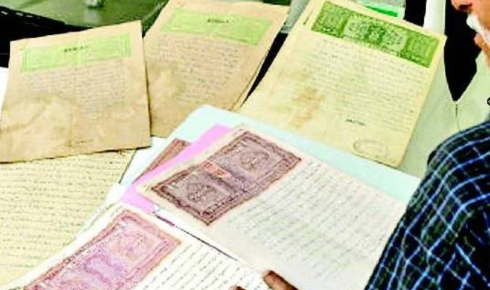
Buying a home is a major investment, and verifying paperwork thoroughly is non-negotiable. This property documents checklist India buyers rely on will help you avoid legal disputes, ownership issues, and financial losses down the line.
Many buyers focus only on the property’s appearance and price, overlooking the legal documentation that determines whether the deal is actually safe. A single missing or fraudulent document can lead to years of litigation.
This guide breaks down every essential document you should verify before signing on the dotted line, whether you’re buying a resale flat, an under-construction apartment, or an independent house.
(Internal link suggestion: link to “First Time Home Buyer’s Guide: Mistakes to Avoid”)
1. Title Deed and Ownership Verification
The title deed is the most fundamental document in any property documents checklist India requires, as it establishes legal ownership of the property.
What to check:
- Confirm the seller’s name matches the current title deed holder.
- Trace the ownership history back at least 12-13 years to rule out disputes.
- Verify there are no co-owners whose consent might be missing.
- Ensure the title is “clear and marketable,” meaning free from legal complications.
If the property has changed hands multiple times, request copies of all previous sale deeds to trace the complete ownership chain.
2. Encumbrance Certificate (EC)
An encumbrance certificate confirms that the property is free from monetary and legal liabilities, making it a critical part of any property documents checklist India buyers should follow.
Why this matters:
- It reveals whether the property has any pending loans or mortgages.
- It shows if there are unresolved legal disputes registered against the property.
- It’s typically required by banks before approving a home loan.
- It should ideally cover a period of at least 15 years for thorough verification.
You can obtain this certificate from the local sub-registrar’s office where the property is registered.
3. RERA Registration for Under-Construction Properties
If you’re buying an under-construction property, checking RERA (Real Estate Regulatory Authority) registration is essential for protecting your investment.
Key RERA verification points:
- Confirm the project is registered with the state’s RERA authority.
- Check the promised possession date listed on the RERA website.
- Review any complaints or litigation history against the builder.
- Verify the project’s approved layout matches what’s being marketed.
RERA registration numbers are publicly searchable on state RERA portals, making this one of the easier verifications to complete independently.
4. Property Tax Receipts
Property tax receipts confirm that all dues have been cleared by the current owner, and they’re an important part of any property documents checklist India transactions should include.
What to verify:
- Request the latest property tax receipts, ideally for the past 3-5 years.
- Ensure the property details on the receipt match the actual property being purchased.
- Confirm there are no pending tax dues that could transfer to you as the new owner.
Unpaid property taxes can sometimes result in penalties or legal complications for the new owner if not settled before transfer.
5. Building Approval and Occupancy Certificate
For both independent houses and apartments, verifying construction approvals protects you from buying an illegally constructed property.
Documents to request:
- Sanctioned building plan approved by the local municipal authority
- Completion certificate confirming construction matches approved plans
- Occupancy certificate (OC), which certifies the building is fit for habitation
Buying a property without an occupancy certificate can create complications later, including difficulty in getting utility connections or resale issues.
6. No Objection Certificates (NOCs)
Depending on the property type and location, several No Objection Certificates may be required to ensure full legal compliance.
Common NOCs to check:
- Society NOC for resale apartments, confirming no dues are pending
- Pollution control NOC for certain types of developments
- Fire safety NOC, especially for high-rise buildings
- Environmental clearance NOC for larger projects, if applicable
Missing NOCs can delay possession or create complications during resale in the future, so it’s worth confirming these early in the process.
7. Sale Agreement and Sale Deed Verification
The sale agreement and final sale deed are legally binding documents that should be reviewed carefully, ideally with legal assistance, before signing.
Important clauses to review:
- Payment schedule and penalty clauses for delays
- Possession date and compensation terms if delayed
- Details of parking, amenities, and common areas included
- Stamp duty and registration charges responsibility
Ensure the sale deed is registered at the sub-registrar’s office, as an unregistered sale deed holds limited legal validity in India.
(Internal link suggestion: link to “How to Choose the Right Home Loan for You”)
8. Loan and Mortgage Clearance Documents
If the property you’re purchasing was previously under a home loan, verifying loan clearance documents is a crucial step in the property documents checklist India buyers often overlook.
What to confirm:
- Obtain a “No Dues Certificate” from the seller’s bank if a loan existed.
- Verify the mortgage has been officially released and recorded.
- Cross-check with the encumbrance certificate to confirm no active liens remain.
Skipping this step could mean inheriting someone else’s unresolved loan liability on the property you just purchased.
Frequently Asked Questions
1. What is the most important document to check before buying property in India? The title deed is the most important document, as it establishes legal ownership and forms the foundation of the entire property documents checklist India buyers should follow.
2. How can I verify if a property has any pending legal disputes? You can check this through the encumbrance certificate and by consulting local court records or hiring a property lawyer for thorough verification.
3. Is RERA registration mandatory for all properties in India? RERA registration is mandatory for most under-construction projects above a certain size, though resale and ready-to-move properties are generally exempt.
4. What happens if a property doesn’t have an occupancy certificate? Without an occupancy certificate, you may face issues with utility connections, resale difficulties, and legal uncertainty regarding the building’s compliance status.
5. How far back should I check property ownership history? Most experts recommend tracing ownership history back at least 12-13 years to ensure a clear and marketable title.
6. Do I need a lawyer to verify property documents in India? While not mandatory, hiring a property lawyer is highly recommended for thorough due diligence, especially for high-value transactions.
Conclusion
Verifying documents thoroughly is one of the most important steps in any home purchase, and following this property documents checklist India buyers rely on can save you from costly legal troubles later. From title deeds and encumbrance certificates to RERA registration and NOCs, each document plays a role in confirming the property’s legal standing.
Since real estate laws and processes can vary by state, this checklist is meant to guide your process rather than replace professional legal advice—consulting a property lawyer for final verification is always a wise step.
Before you finalize your next property purchase, run through this checklist carefully, and don’t hesitate to seek expert help for any document that raises questions.
Suggested Image Alt Texts:
- “Property lawyer reviewing title deed documents with a home buyer”
- “Stack of legal property documents including sale deed and tax receipts”
- “Couple verifying RERA registration details on a laptop before buying a flat”
