Your Water, Your Home: Choosing Better Water Treatment for Everyday Life
Water is one of those things we rarely think about until something seems off. Maybe there’s a strange taste in your morning coffee, white buildup around the faucet, dry skin after a shower, or an unpleasant smell coming from the tap. These little signs can be easy to ignore, but they may point to water-quality issues that deserve attention.
The good news is that improving household water doesn’t always mean making dramatic changes. The right filtration or treatment approach can make everyday water feel cleaner, taste better, and work better throughout the home. The trick is knowing what’s actually in your water first, rather than buying a system simply because it’s popular.
Start by Understanding Your Water
Every home has a slightly different water story. Municipal water may contain disinfectants and naturally occurring minerals, while private well water can have sediment, iron, sulfur compounds, or other unwanted substances. Even homes in the same neighborhood can experience differences because plumbing, pipes, and local water sources vary.
That’s why water testing is such a useful first step. A basic test can provide information about hardness, pH, chlorine, iron, and other common concerns. More detailed testing may be appropriate when there are specific concerns about contaminants.
Once you understand the problem, choosing a solution becomes much easier. Instead of guessing, you’re working from actual information.
Why Water Quality Matters Beyond Drinking
When people hear “water treatment,” they often think only about drinking water. But household water affects much more than what goes into a glass.
Hard water, for instance, contains higher levels of minerals such as calcium and magnesium. Those minerals aren’t necessarily harmful to drink, but they can create frustrating problems around the house. Over time, mineral deposits can collect on showerheads, faucets, fixtures, and appliances. Soap may also lather less effectively, leaving skin feeling tight or hair feeling dull.
A suitable softening system can help reduce those effects. Meanwhile, filtration can target particular concerns such as sediment, chlorine, unpleasant odors, or certain contaminants, depending on the technology used.
In other words, cleaner water can mean more than better-tasting drinking water. It can also mean less scale, easier cleaning, and a more pleasant experience at the sink and shower.
Filtration and Water Softening Aren’t the Same Thing
This is where things can get confusing. Water filters and water softeners are often discussed together, but they solve different problems.
A water softener is primarily designed to address hardness minerals. It typically uses an ion-exchange process to reduce calcium and magnesium that contribute to scale buildup.
A water filtration system, on the other hand, is designed to reduce specific substances from water. Depending on the filter, that might include sediment, chlorine, certain metals, or other contaminants.
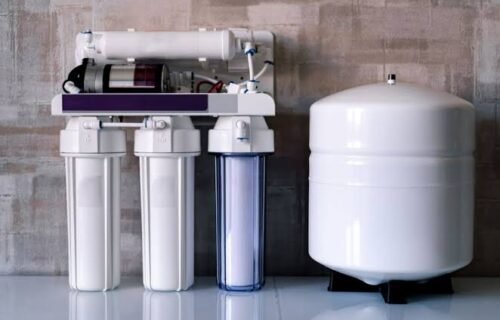
Then there are systems such as reverse osmosis, which use a semipermeable membrane and additional filtration stages to reduce a broad range of dissolved substances. These systems are often installed at a specific drinking-water point, although larger configurations are also available.
The important point? There isn’t one magic system that’s perfect for every home. Choosing treatment based on your actual water conditions usually makes more sense.
Whole-Home Treatment vs. Drinking Water Systems
Another decision homeowners face is whether to treat water throughout the house or focus only on drinking and cooking water.
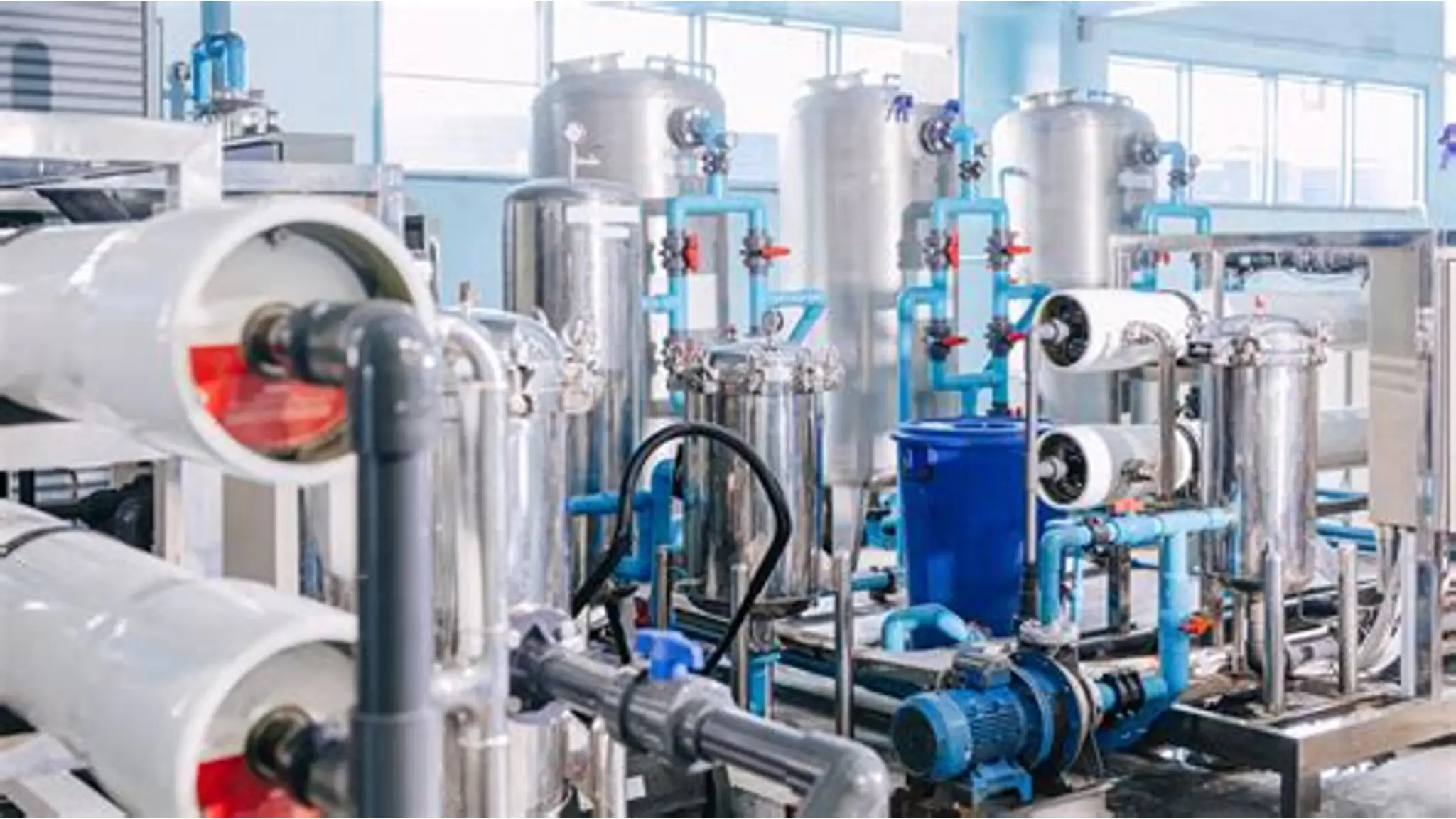
Whole-home systems treat water as it enters the property. This can be useful when the concern affects bathing, laundry, fixtures, and appliances as well as drinking water. For example, a household dealing with significant sediment or hard water may benefit from treating the incoming supply.
Point-of-use systems take a more targeted approach. A reverse osmosis system under the kitchen sink, for example, can provide specially treated water for drinking and cooking without treating every gallon used for showers or laundry.
Neither approach is automatically better. It depends on what you’re trying to accomplish, your water quality, household size, available space, and budget.
A Customized Approach Usually Works Better
Water treatment should fit the home, not the other way around. A family of two with municipal water may have very different needs from a large household relying on a private well.
This is where customized treatment can make a real difference. Instead of choosing equipment based solely on advertising claims, homeowners can consider water test results, flow rate, household usage, existing plumbing, and the specific contaminants or mineral issues they want to address.
A professional water-treatment provider can also help explain maintenance requirements. Some systems need filter replacements at regular intervals. Others require salt or regeneration cycles. Reverse osmosis membranes eventually need replacement too.
Knowing these details before installation prevents unpleasant surprises later.
Don’t Forget About Maintenance
Even a high-quality treatment system needs attention. Filters have a service life, and a neglected filter can become less effective. Softener systems need appropriate settings and maintenance, while storage tanks, membranes, and other components may also require periodic checks.
It’s tempting to install a system and forget about it. But water treatment isn’t really a “set it and walk away” kind of thing.
A simple maintenance schedule can help. Keep track of filter replacement dates, follow the manufacturer’s recommendations, and pay attention to changes in water taste, pressure, odor, or appearance. If something suddenly changes, it’s worth investigating rather than assuming the system will sort itself out.
Better Water Can Feel Like a Small Luxury
There’s something surprisingly satisfying about turning on the tap and knowing the water has been treated for the needs of your household. No harsh taste. Fewer mineral spots. Less worry about what you’re drinking or bathing in.
That’s the real idea behind your water. perfected. It isn’t about chasing the most complicated technology or buying the biggest system available. It’s about making an informed choice that fits your home and the water coming into it.
Good water treatment is practical, but it can also improve those ordinary moments we tend to overlook: filling a glass, making tea, washing your face, taking a shower, or running the dishwasher.
Making the Right Choice
Before purchasing a water treatment system, start with a few straightforward questions:
- Where does your water come from?
- Has the water been professionally tested?
- Are you mainly concerned about taste and odor, hardness, sediment, or specific contaminants?
- Do you need treatment throughout the home or only at the kitchen tap?
- What ongoing maintenance will the system require?
- Does the system have the capacity to match your household’s water usage?
These questions may seem basic, but they can save you from spending money on equipment that doesn’t address your actual problem.
Ultimately, better water isn’t about following a trend. It’s about understanding what’s in your water and making a thoughtful decision based on that information. With the right testing, technology, and professional guidance, healthier water starts here — with knowing your home’s needs and choosing treatment that makes sense for everyday life.