Water is one of those things we rarely think about until something seems off. Maybe there’s a strange taste in your morning coffee, white buildup around the faucet, or a glass of water that just doesn’t feel as fresh as it should. These small signs can make you wonder what’s actually coming through your pipes.
For many homeowners, getting better water for your home isn’t about chasing perfection. It’s about making everyday water more pleasant, protecting plumbing and appliances, and choosing a treatment solution that fits the household rather than buying the first system that happens to look impressive.
Understanding What’s Really in Your Water
Water quality can vary dramatically from one area to another. Municipal water may contain disinfectants and naturally occurring minerals, while private well water can have its own set of challenges. Hard water, for example, is common in many regions and contains higher levels of calcium and magnesium.
Those minerals aren’t necessarily something you can see right away. Over time, though, they can leave chalky deposits on showerheads, faucets, dishes, and fixtures. You may also notice that soap doesn’t lather as easily or that clothes feel a little rough after washing.
And then there’s taste. Water can technically meet safety standards and still not taste particularly good. That’s where water treatment becomes less of a luxury and more of a practical home improvement.
Choosing the Right Water Treatment System
There isn’t one water treatment system that works perfectly for every household. That’s worth remembering before spending money on equipment.
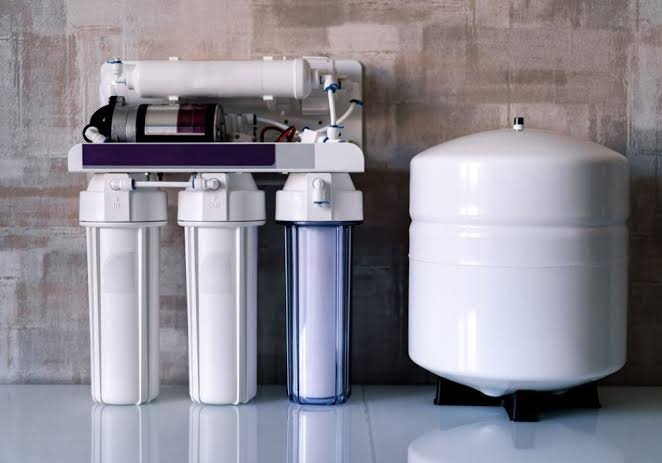
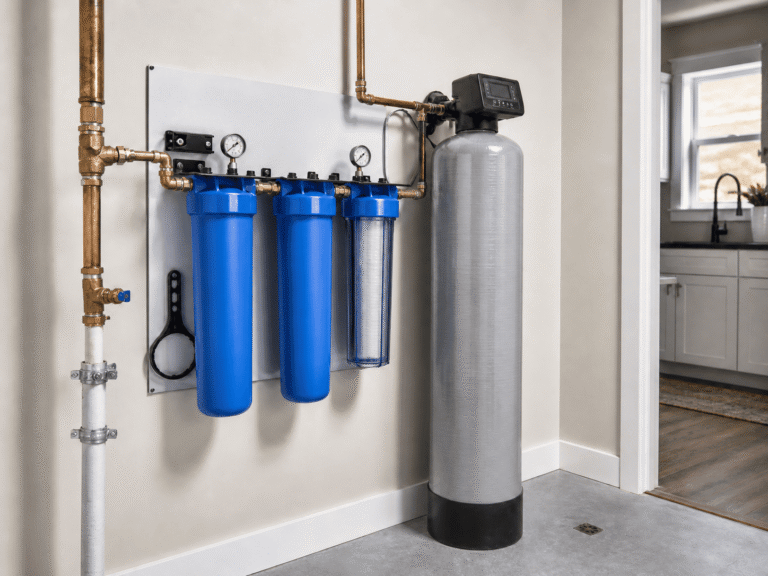
A water softener is generally designed to address hardness minerals. Filtration systems can target sediment, chlorine, odors, and certain other unwanted substances. More advanced treatment technologies may be appropriate when testing reveals specific contaminants that need attention.
The smartest starting point is usually a water test. Rather than guessing what your water needs, testing gives you useful information about its characteristics. From there, you can compare treatment options based on actual conditions.
It sounds obvious, but it can save homeowners a fair amount of money and frustration.
Why Professional Guidance Makes a Difference
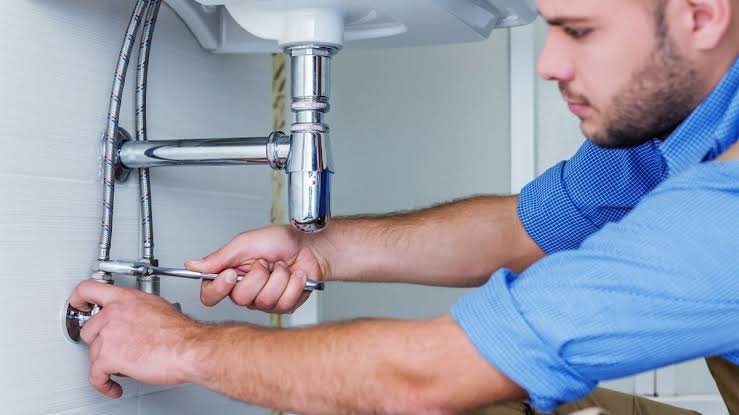
Water treatment equipment can look deceptively simple. You see a tank, some plumbing connections, maybe a control panel, and it’s tempting to assume installation is straightforward. In reality, proper sizing, installation, programming, and maintenance can all affect how well a system performs.
Working with an authorized kinetico dealer can give homeowners access to professional advice when evaluating treatment options. A qualified dealer can help determine which system is suitable for the household, explain how it operates, and make sure installation is handled correctly.
That kind of guidance is especially useful if you’re dealing with unusual water conditions. You don’t want to solve one problem while accidentally creating another.
The Everyday Benefits of Treated Water
The benefits of water treatment aren’t always dramatic. Often, they show up in small ways.
You might notice cleaner-looking shower doors, fewer mineral spots on dishes, or less scale around faucets. Appliances that use water, such as water heaters and washing machines, may also benefit when mineral buildup is better controlled.
There’s a comfort factor, too. Softer-feeling water can make showers feel different, and treated water may improve the taste and smell of what you drink and cook with.
For families, these little improvements can add up. After a few months, you may wonder how you ever put up with the old water quality.
Water Quality Considerations in Central Texas
Homeowners in central texas often have particular reasons to pay attention to water quality. Regional water characteristics can vary depending on the source and location, so assumptions aren’t always helpful.
Hard water is one issue that many households encounter, and mineral deposits can become frustrating over time. If you’re seeing scale on fixtures or dealing with spots on dishes, it’s worth finding out what’s actually causing the problem.
Local conditions also matter when selecting equipment. A system that works beautifully in one part of the country may not be the ideal choice somewhere else. Water testing and professional recommendations can help narrow down the options.
Don’t Forget About Maintenance
Even a high-quality treatment system needs attention. Filters may need replacement, components should be checked periodically, and settings sometimes need adjustment as household water use changes.
Maintenance doesn’t have to become another chore you dread. Keeping a simple schedule can help. Check the system according to the manufacturer’s recommendations, pay attention to changes in water taste or appearance, and don’t ignore unusual noises, leaks, or performance issues.
A little attention now can prevent a small problem from becoming an expensive repair later.
Think Beyond Drinking Water
When people hear “water treatment,” they often think only about the water they drink. But your entire home uses water.
Showers, washing machines, dishwashers, toilets, faucets, and water heaters all come into contact with the same supply. If hard water is causing problems, those effects can appear throughout the house.
That’s why it makes sense to consider the bigger picture. Improving household water quality can be about comfort, convenience, maintenance, and protecting the equipment you’ve already invested in.
Making a Smarter Decision for Your Home
Buying a water treatment system shouldn’t feel like a guessing game. Start by identifying what bothers you about your current water. Is it hardness? Taste? Odor? Sediment? Something revealed by a professional water test?
Once you know the problem, you can focus on solutions designed for that specific issue.
It’s also smart to consider household size, daily water consumption, available installation space, and long-term maintenance. The cheapest system isn’t always the best value, just as the most expensive option isn’t automatically the right one.
Good water treatment is really about balance.
A Small Upgrade That Can Change Daily Life
We use water constantly, often without thinking about it. We drink it, cook with it, bathe in it, clean with it, and rely on it for countless ordinary routines.
That’s why improving household water quality can have a surprisingly noticeable effect. You may not think about your treatment system every morning, but you’ll notice when the water tastes better, fixtures stay cleaner, and everyday chores become a little easier.
The best approach is simple: understand your water, test when necessary, choose equipment that matches the problem, and keep it properly maintained. Done right, water treatment isn’t just another home upgrade sitting in the basement. It becomes one of those quiet improvements that makes the whole house feel a bit better.