Water is something most of us use without thinking twice. We turn on the tap for a glass of drinking water, run the shower after a long day, or fill a kettle for morning tea. But water quality can vary dramatically from one home to another. Depending on where you live and where your water comes from, you may deal with hard minerals, unpleasant odors, acidity, chlorine, or other dissolved substances.
The tricky part is that water can look perfectly clear and still contain issues worth addressing. That’s why understanding your water before choosing a treatment system makes a lot of sense. There isn’t one magic solution for every household. The right approach depends on what’s actually in your water and how you use it.
Start With the Water You Already Have
Before buying any equipment, consider getting your water tested. It sounds obvious, but this simple step can save money and frustration later. A basic test may reveal hardness, pH, iron, chlorine, total dissolved solids, and other characteristics that influence which treatment method will work effectively.
For example, hard water is generally associated with calcium and magnesium. It can leave white deposits around faucets, make soap harder to rinse away, and contribute to scale inside plumbing and appliances. In these situations, water softeners can be useful because they are designed specifically to reduce hardness minerals.
However, softening isn’t the same as purification. That’s an important distinction. A softener addresses hardness; it isn’t intended to remove every contaminant that might be present in drinking water.
Why Different Problems Need Different Solutions
Water treatment works best when the equipment matches the problem. Think of it like fixing a car. You wouldn’t replace the tires because the battery was dead. The same basic principle applies to water.
If the concern is sediment, a sediment filter may be enough. If chlorine is affecting taste or odor, activated carbon filtration can make a noticeable difference. If hardness is the primary issue, a softener may be appropriate. And when the goal is reducing a broad range of dissolved contaminants from a drinking-water supply, a more advanced purification method may be considered.
This is one reason professional water testing can be valuable. Instead of guessing based on taste or appearance, homeowners can make decisions using actual information.
Understanding Reverse Osmosis
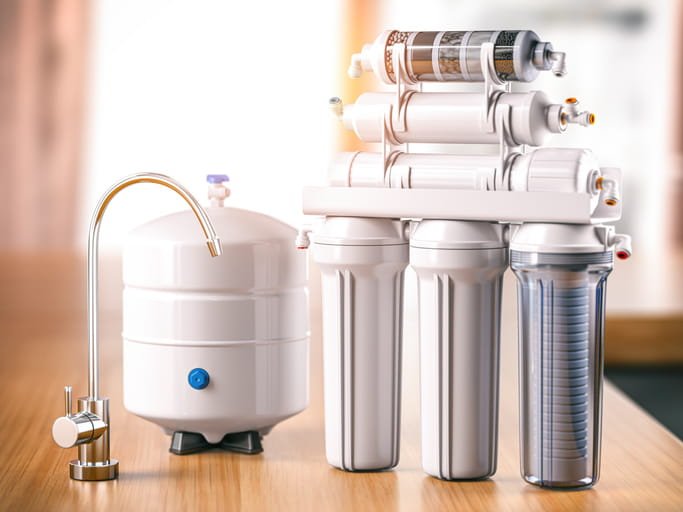
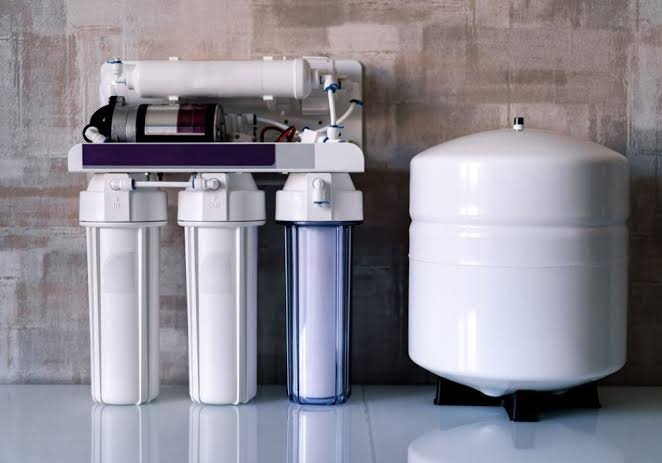
One of the most widely discussed drinking-water treatment technologies is reverse osmosis. Unlike a conventional filter that primarily captures particles or certain chemicals, an RO system uses pressure to push water through a semipermeable membrane.
The membrane allows water molecules to pass while restricting many dissolved substances. The result can be water with significantly fewer dissolved solids and contaminants, depending on the system design and the quality of the incoming water.
RO systems are often installed at a kitchen sink because treating every gallon of household water isn’t always necessary. You may want highly treated water for drinking and cooking, while regular treated water is perfectly suitable for bathing, laundry, and cleaning.
There is a trade-off, though. RO systems produce a concentrated reject stream, require periodic filter and membrane replacement, and can remove minerals that some people may prefer to retain. Good system design and regular maintenance matter.
genui{“learning_viz”:{“type_id”:”OSMOSIS”,”locale_override”:”en-US”}}
When pH Becomes Part of the Conversation
Another characteristic worth paying attention to is pH. Water that is unusually acidic or alkaline may create concerns for plumbing, taste, or treatment performance.
In certain situations, a water neutralizer can help bring acidic water closer to a balanced pH. These systems commonly use a mineral-based media to raise pH, depending on the specific setup and water chemistry.
Again, testing comes first. A neutralizer isn’t something every household needs, and installing one without understanding the underlying chemistry can lead to unnecessary expense. Water treatment should be targeted, not based on a one-size-fits-all checklist.
Don’t Forget the Plumbing
Water quality doesn’t exist in isolation. Your home’s plumbing, water heater, fixtures, and appliances all interact with the water every day.
Hardness can contribute to scale inside pipes and heating equipment. Certain water conditions can be more corrosive to plumbing materials. Sediment may collect in fixtures or appliances. Even when drinking water tastes fine, these less obvious effects can matter over the long term.
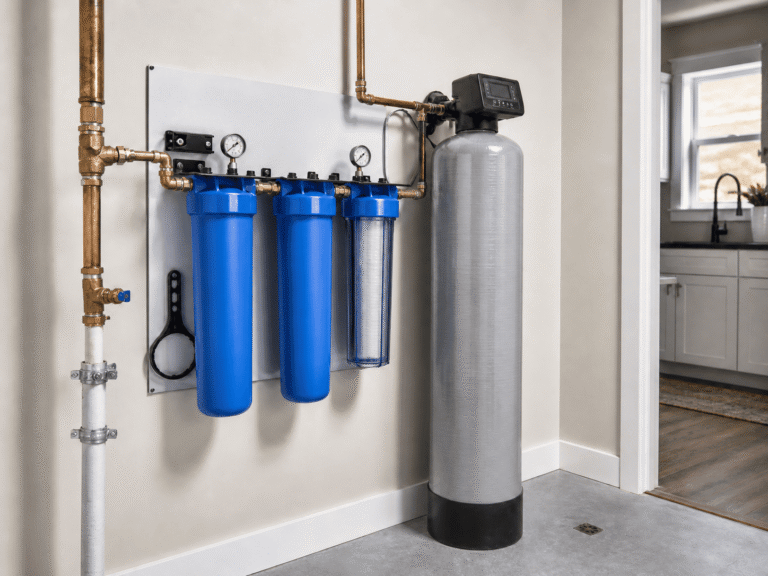
This is where whole-home treatment can be useful in the right circumstances. Instead of treating water only at one faucet, a whole-house system addresses water as it enters the property. Whether that’s worthwhile depends on the test results and what you’re trying to accomplish.
Maintenance Is Part of the System
A water treatment system isn’t a set-it-and-forget-it appliance. Filters need replacing. Media eventually needs servicing or replenishing. Membranes can lose performance over time. Tanks, valves, pumps, and connections should also be checked periodically.
Neglecting maintenance can turn an otherwise good system into an expensive piece of equipment that doesn’t perform as expected.
It’s also worth keeping records. Write down installation dates, filter-change schedules, service visits, and any unusual changes in water taste or pressure. It takes only a few minutes, but that information can be surprisingly helpful when troubleshooting later.
Think About the Whole Household
A couple living in an apartment may have completely different treatment needs from a large family using well water. Someone concerned primarily with drinking-water taste may need a relatively small point-of-use system. Another household might be dealing with hard water throughout the property and need a whole-home approach.
Budget matters too, but the cheapest system isn’t necessarily the least expensive choice in the long run. Replacement filters, water usage, electricity, maintenance, and installation all contribute to ownership costs.
Ask practical questions before making a decision: What problem am I trying to solve? How much water needs treatment? How often will the system require service? What happens if something fails? And can replacement parts be obtained easily?
Those questions are less exciting than shopping for a shiny new filtration unit, perhaps, but they’re much more useful.
Better Water Starts With Better Information
Choosing a water treatment system doesn’t have to be confusing. The key is to resist the temptation to buy equipment simply because it’s popular or heavily advertised.
Test the water. Understand the results. Identify the actual problem. Then choose technology designed to address that specific issue.
For some homes, the answer may be filtration. For others, it could involve softening, pH adjustment, reverse osmosis, or a combination of treatments. What matters most is that the system fits the water rather than the other way around.
Good water treatment is ultimately about more than installing equipment under a sink or beside a water heater. It’s about creating a reliable approach to the water your household depends on every single day. When the solution is based on evidence, maintained properly, and suited to the home’s needs, the benefits can be felt quietly—in better-tasting water, cleaner fixtures, healthier-looking plumbing, and a little more confidence every time you turn on the tap.