Water is one of those things most people don’t think about until something goes wrong. A strange taste, white spots on the shower glass, dry-feeling skin, or an unpleasant smell from the tap can quickly make you wonder what’s actually flowing through your pipes.
The good news is that improving household water quality doesn’t always require a complicated setup. Different water problems call for different solutions, and understanding what each treatment is designed to do can save you money, frustration, and a fair bit of trial and error.
From mineral-heavy water to unwanted chemicals and odors, modern water treatment options can make everyday water noticeably better. The trick is choosing a system based on the actual problem rather than buying whatever sounds most advanced.
Understanding What’s Really in Your Water
Not all water quality problems look the same. Hard water, for example, is usually caused by minerals such as calcium and magnesium. These minerals aren’t generally considered dangerous at typical levels, but they can be a nuisance around the house.
You may notice chalky deposits around faucets, cloudy shower doors, or reduced efficiency in water heaters. Soap may also struggle to lather properly. Over time, mineral buildup can affect plumbing fixtures and appliances.
Other concerns are quite different. Chlorine can affect taste and smell, while sediment can make water appear cloudy. Depending on the source, water may also contain metals, microorganisms, or other contaminants that require specialized treatment.
That’s why testing your water is a smart first step. It gives you a clearer picture instead of relying on guesswork.
When Hard Water Becomes a Household Headache
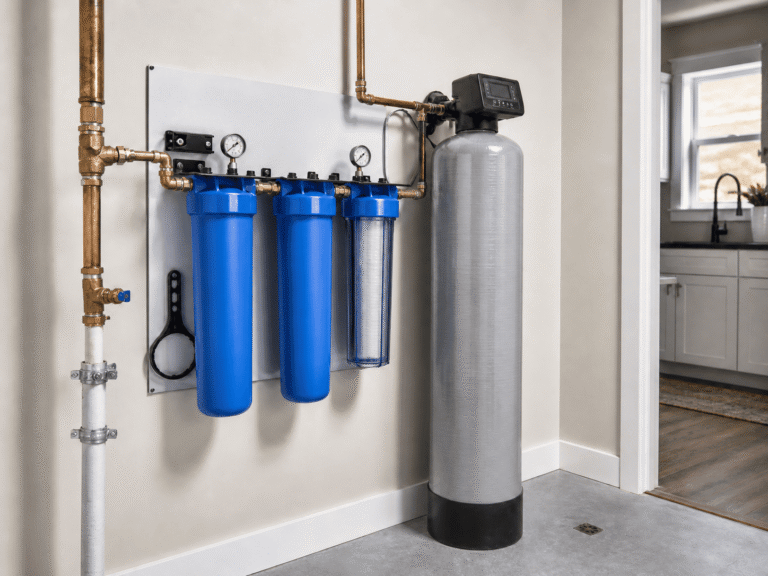
For homes dealing primarily with hard water, water softeners can be a practical solution. These systems are designed to reduce hardness minerals, helping prevent scale from accumulating inside plumbing and appliances.
The difference can be surprisingly noticeable. Glassware may come out of the dishwasher with fewer spots. Faucets stay cleaner for longer. Shower surfaces need less scrubbing, and soap tends to work more effectively.
A water softener can also help protect appliances that use heated water. Scale buildup inside water heaters, for instance, can reduce efficiency and contribute to maintenance problems over time.
Still, a softener isn’t a universal water purifier. It’s mainly intended for hardness. If your concern is bacteria, certain chemicals, or other contaminants, you may need another type of treatment alongside it.
That distinction matters. Buying a softener when you actually need contaminant filtration is a little like buying a vacuum cleaner to fix a leaking roof. Useful equipment, wrong problem.
Why Filtration Matters for Drinking Water
If your biggest concern is the quality of water you drink and cook with, filtration may be more important than treating the entire home’s water supply.
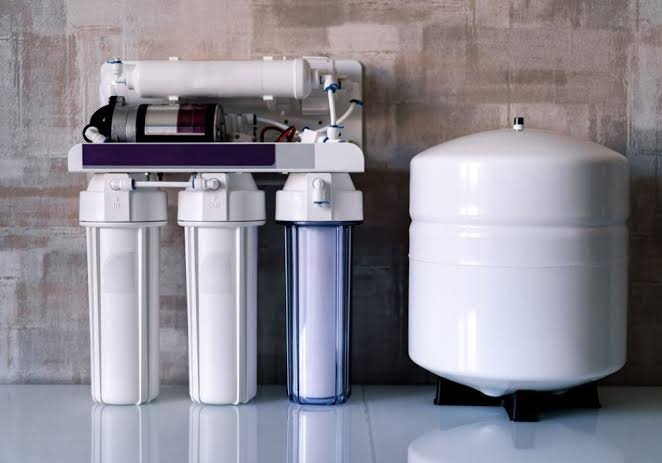
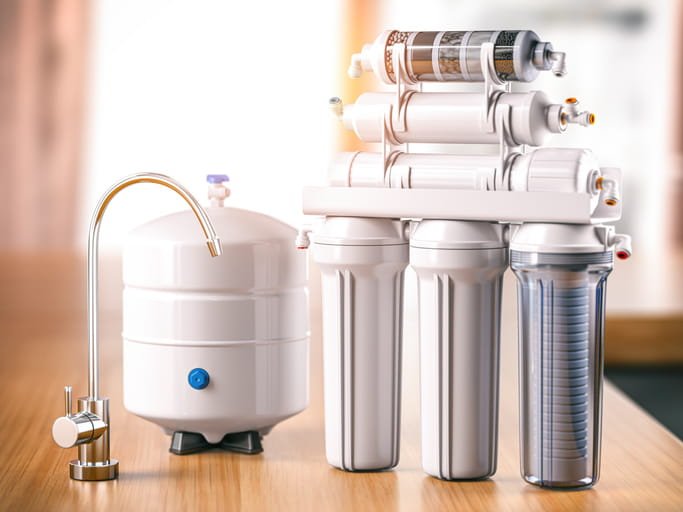
One widely used approach is reverse osmosis. These systems push water through a specialized membrane that can reduce a broad range of dissolved substances. Depending on the specific system and its certifications, reverse osmosis can help reduce contaminants such as certain heavy metals, salts, and other unwanted compounds.
reverse osmosis systems are commonly installed at a kitchen sink or another point where drinking and cooking water is needed. This point-of-use approach can be appealing because you’re treating the water you actually consume rather than filtering every gallon used for toilets, laundry, or outdoor watering.
However, reverse osmosis systems aren’t magic boxes. Their performance depends on the membrane, pre-filters, maintenance, water pressure, and the contaminants present in the source water.
Regular filter replacement is especially important. A neglected system can perform poorly, regardless of how impressive it looked on installation day.
Dealing With Unpleasant Water Odors
Odor is another issue homeowners sometimes struggle to identify. A rotten-egg smell, for example, can be associated with hydrogen sulfide in water, particularly in some private well supplies.
The right solution depends on the cause and concentration. In certain situations, oxidation-based treatment can help transform dissolved compounds into forms that can then be filtered out.
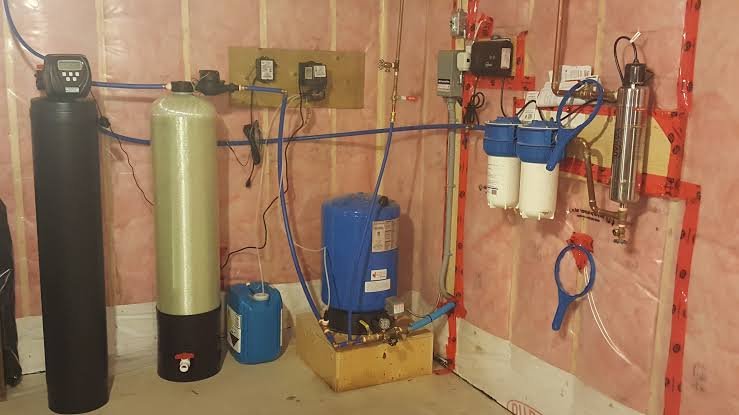
hydrogen peroxide treatment is one option used in some water treatment applications, particularly where hydrogen sulfide and related odors are a concern. Hydrogen peroxide acts as an oxidizing agent and can help address certain odor-causing compounds before filtration.
But this isn’t a DIY “pour some peroxide into the tank” situation. Proper dosing and system design matter. Water chemistry, flow rate, and the concentration of the target contaminant all influence how treatment should be configured.
If an odor suddenly appears, testing is worthwhile before choosing equipment. Sometimes the source is straightforward; other times it points to a larger water-quality or plumbing issue.
Whole-House Treatment vs. Point-of-Use Systems
One of the most useful decisions to make is whether you need treatment throughout the home or only at specific taps.
Whole-house treatment can make sense when the problem affects bathing, laundry, plumbing, and general household use. Hard water is a classic example because scale can develop anywhere hot or cold water is used.
Point-of-use treatment, meanwhile, is often better suited to drinking water concerns. A kitchen filtration system can target the water your family consumes without requiring a large whole-house installation.
There’s no prize for having the biggest system in the basement. What matters is whether the equipment matches the water problem.
In some homes, a combination makes sense: a softener for hardness, whole-house filtration for specific concerns, and a reverse osmosis unit for drinking water. In others, a single filtration system may be enough.
Maintenance Is Part of the Solution
Water treatment equipment isn’t something you install and forget.
Filters need replacement. Tanks may require servicing. Membranes eventually lose performance. Components should be inspected according to the manufacturer’s recommendations.
Ignoring maintenance can reduce water quality and shorten equipment life. It can also create unnecessary expenses later.
Keep a simple record of filter changes and service dates. It sounds boring, sure, but five minutes of organization can prevent the classic “When did we last replace that?” problem.
Homeowners with private wells should also consider periodic water testing, since well-water conditions can change over time. Heavy rainfall, nearby construction, flooding, or changes in the well itself may affect water quality.
Choosing a System With Confidence
Before purchasing a water treatment system, identify the problem first. A professional water analysis can help determine what is present and which treatment method is appropriate.
Consider a few practical questions:
- Is the issue mainly hard water or scale?
- Are taste and odor the biggest concerns?
- Is the water from a municipal supply or private well?
- Do you need treatment for the entire home or only drinking water?
- What ongoing maintenance will the system require?
- Has the equipment been tested or certified for the contaminants you care about?
These questions may seem basic, but they prevent a lot of expensive mistakes.
Good water treatment isn’t about chasing the most sophisticated technology. It’s about matching the technology to the water.
Better Water Starts With Better Information
Clean, pleasant water can make a home feel better in small ways that add up: easier cleaning, better-tasting drinks, fewer mineral deposits, and greater confidence in what comes from the tap.
But there isn’t one system that’s right for every household. Hard water, odors, sediment, and drinking-water contaminants each require a different approach.
Start with testing, understand the problem, and then choose treatment based on evidence rather than marketing promises. Whether you need mineral reduction, drinking-water filtration, odor control, or a combination of solutions, the right system should fit your home’s water—not the other way around.
A little information upfront can go a long way toward making your water cleaner, your equipment happier, and everyday life just a bit easier.