Water is one of those things most homeowners barely think about until something seems off. Maybe the shower leaves a chalky film on the glass. Perhaps the kettle develops a stubborn white crust, soap doesn’t lather properly, or a glass of water has a faint metallic taste. None of these problems necessarily means your water is unsafe, but they can be signs that your household water quality deserves a closer look.
The good news is that improving water quality doesn’t always require a complicated overhaul. The right approach starts with understanding what’s actually in your water and what you want to improve. Hardness, sediment, odors, minerals, and other contaminants each call for different solutions. Choosing equipment simply because it sounds powerful can sometimes create more problems than it solves.
Start With What Your Water Is Telling You
Your home’s water can reveal quite a bit through everyday clues. White spots on faucets often point toward mineral buildup. Dry-feeling skin after a shower may be associated with hard water, while an earthy or sulfur-like smell can suggest a completely different issue.
This is why a water test is a sensible first step. Instead of guessing, homeowners can identify the characteristics of their water and make decisions based on actual results. A good test can help determine whether the concern is hardness, iron, sediment, dissolved minerals, chlorine, or something else.
It also helps to consider where your water comes from. Municipal water and private wells can have very different treatment needs. Even homes in the same neighborhood may experience differences because of plumbing, source conditions, or changes within the household system.
Understanding Hard Water Without Overcomplicating It
Hard water contains elevated levels of minerals, particularly calcium and magnesium. These minerals aren’t automatically a reason for alarm, but they can be a real nuisance around the house. Over time, they may leave deposits on fixtures, reduce the efficiency of water-using appliances, and make cleaning more frustrating than it should be.
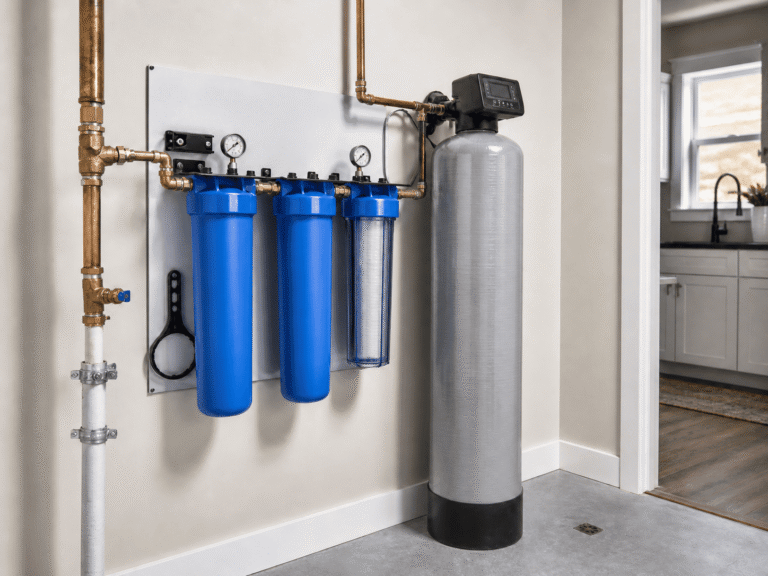
For households dealing with these issues, water softeners can be an effective way to reduce hardness. The basic idea is fairly straightforward: the system treats incoming water to reduce the minerals responsible for many of those familiar hard-water problems.
Still, bigger isn’t always better. A properly sized softener should match household water usage and the hardness level of the supply. An oversized or poorly configured system may waste resources, while an undersized one may struggle to keep up. Getting the sizing right is a small detail that makes a surprisingly big difference.
Filtration Is About More Than Making Water Look Clear
A common misconception is that if water looks clean, it must be clean. Unfortunately, many water-quality concerns aren’t visible to the naked eye. Clear water can still contain substances that affect taste, odor, or overall quality.
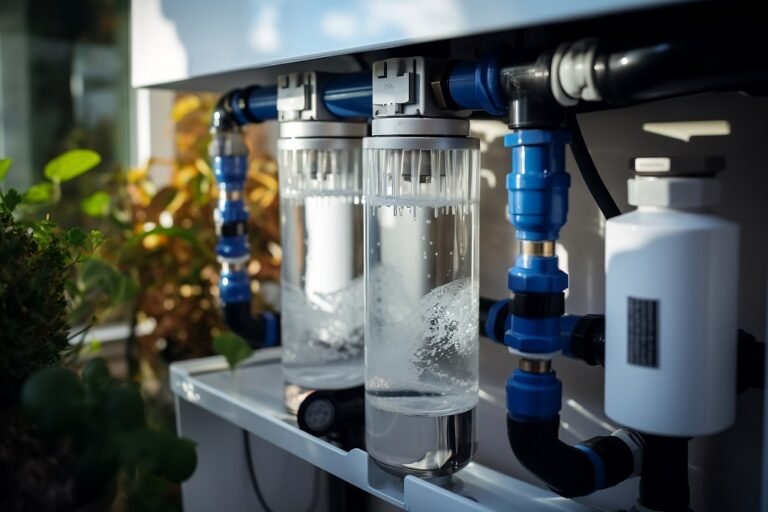
Different water filtration systems are designed for different jobs. Some are intended to reduce sediment, while others target chlorine, odors, iron, or particular contaminants. There isn’t one universal filter that handles every possible water issue perfectly.
That’s why homeowners should resist the temptation to buy the first highly advertised system they come across. Start with the problem. Then choose technology designed to address it.
For example, a home with noticeable sediment may need a different filtration stage than a property dealing primarily with chlorine taste. A well-water household might have concerns that don’t occur with a municipal supply. Water treatment works best when the solution is based on the source and the actual conditions.
Think About the Water You Drink Differently
Whole-home water treatment and drinking-water treatment don’t necessarily have to be the same thing. You may want comfortable, cleaner-feeling water throughout the house while also wanting an extra level of treatment at the kitchen tap.
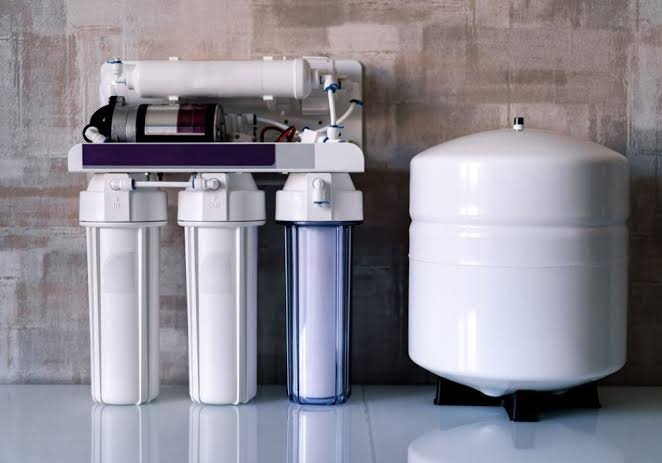
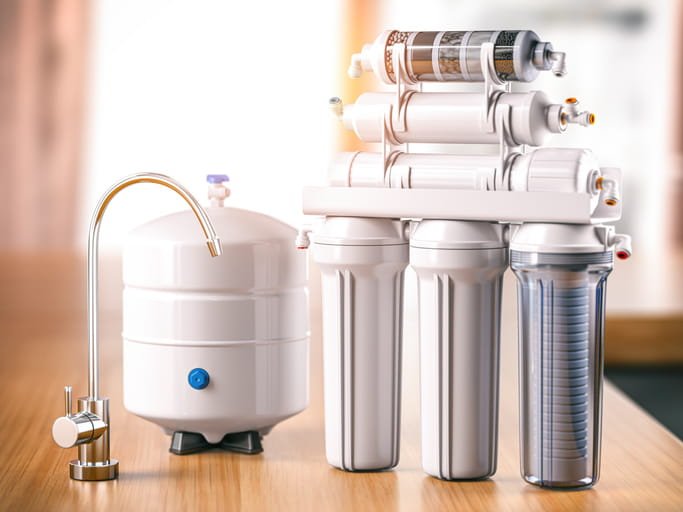
This is where drinking water purification can become particularly useful. Depending on the water-quality concerns identified through testing, purification technologies can provide an additional treatment step for water used for drinking and cooking.
Reverse osmosis is one example often considered when dissolved substances or specific water-quality concerns need to be addressed. Other technologies may make more sense depending on the situation. The important point is that purification should have a purpose rather than simply being added because it sounds advanced.
After all, more equipment doesn’t automatically mean better water.
Don’t Forget About Sediment and Plumbing
Sediment is another issue that can quietly affect a household water system. Small particles entering the plumbing can accumulate, affect fixtures, or shorten the useful life of downstream treatment equipment. In some cases, a pre-filter can help capture these particles before they travel farther into the home’s plumbing.
Older pipes can introduce another layer of complexity. If water quality suddenly changes, the source isn’t always the municipal supply or well. Plumbing materials, corrosion, and localized issues may contribute to unusual color, taste, or odor.
That’s one reason sudden changes shouldn’t simply be covered up with a new filter. Find out why they’re happening first.
Maintenance Matters More Than Most People Expect
Even a quality treatment system needs attention. Filters have to be replaced. Softener settings may need adjustment. Tanks, membranes, valves, and connections can require periodic inspection.
Ignoring maintenance is a little like buying a good car and never changing its oil. Eventually, performance suffers.
Homeowners should know the basic maintenance schedule for their equipment and pay attention to changes in pressure, taste, odor, regeneration frequency, or water appearance. If something feels different, it’s worth investigating rather than waiting for a complete failure.
Regular service can also help identify small issues before they become expensive repairs.
Choosing a Solution That Fits Real Life
Water treatment shouldn’t be about owning the most sophisticated system on the market. It should be about solving the problems that actually exist in your home.
A family of four with moderately hard municipal water may have very different needs from a couple living in a rural property with a private well. Likewise, someone primarily concerned with drinking water may not need the same setup as a homeowner trying to protect appliances and improve water throughout the entire house.
Budget matters, too. Look beyond the initial purchase price and consider installation, replacement filters, salt or other consumables, energy use, maintenance, and expected service life. The cheapest option upfront isn’t always the least expensive over several years.
Better Water Starts With Better Information
Water quality can feel complicated because there are so many treatment products and technologies available. But the basic decision-making process doesn’t have to be.
Test the water. Identify the problem. Decide which areas of the home need treatment. Then choose equipment that matches those needs.
Sometimes the solution may be a simple filter. Sometimes it may involve softening, whole-home filtration, or additional purification at the kitchen tap. And occasionally, the best answer is fixing a plumbing or source-water issue rather than installing another piece of equipment.
The goal isn’t to make water treatment complicated. It’s to make your home’s water work better for the people using it every day. Once you know what’s actually in your water, choosing the right path becomes much easier—and a lot less of a guessing game.