Most people don’t think much about their water until something changes. Maybe the shower leaves a chalky film on the glass, the kitchen faucet develops stubborn white deposits, or the drinking water starts tasting a little different. Sometimes the signs are less obvious. Appliances need more frequent cleaning, laundry feels rough, or a plumbing fixture begins showing wear sooner than expected.
These everyday frustrations can have several causes, from naturally occurring minerals to aging pipes or contaminants in the water supply. The good news is that many problems can be identified and managed with the right approach. Understanding your home’s water quality, maintaining the plumbing system, and selecting suitable treatment equipment can make a noticeable difference without unnecessary expense.
Start by Understanding Your Water
Water quality varies from one property to another. Groundwater may contain elevated levels of calcium, magnesium, iron, or manganese, while other supplies may have concerns related to disinfectants, sediment, or specific contaminants. Even homes in the same neighborhood can experience different issues because of their plumbing materials and water sources.
Before purchasing equipment, consider having the water tested. A basic test may identify hardness and certain other characteristics, while a more comprehensive laboratory analysis can check for contaminants relevant to your location and water source. Private well owners should pay particular attention to routine testing because groundwater conditions can change over time.
Testing also prevents a common mistake: buying a product simply because someone else recommends it. A neighbor’s filtration system might work beautifully for their home, but your water may require a completely different solution.
Effective water treatment begins with identifying the actual problem. Once you know what’s present in the water, you can compare technologies designed to address those specific concerns rather than paying for features you may not need.
What Different Treatment Systems Can Do
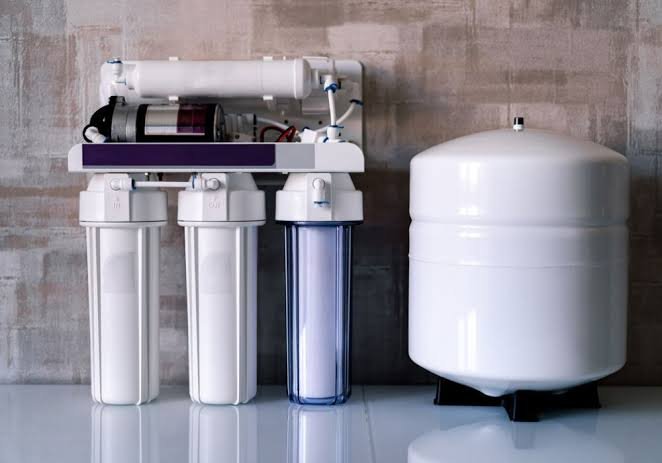
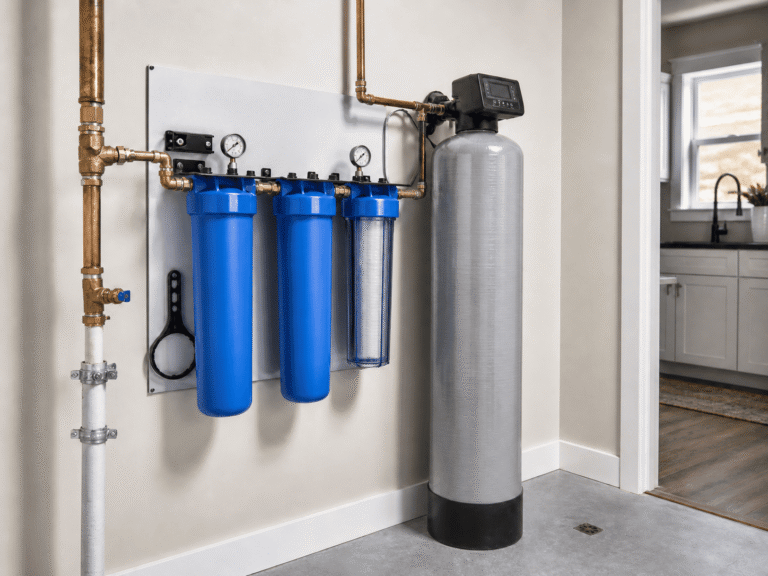
Not every filter performs the same job. Activated carbon filters can reduce certain tastes, odors, and chemical compounds, depending on the product and its certification. Sediment filters capture suspended particles, while reverse osmosis systems can reduce various dissolved substances when properly selected and maintained.
Water softening serves a different purpose. It primarily addresses calcium and magnesium, the minerals responsible for hard-water scale. Meanwhile, specialized filtration or treatment equipment may be necessary for iron, manganese, or other substances identified through testing.
It’s worth checking the manufacturer’s performance claims carefully. Look for independent certification relevant to the contaminant you’re trying to reduce, and find out how frequently cartridges or treatment media need replacement. A system that works well on installation day still needs proper maintenance to keep delivering the expected results.
Why Your Plumbing System Matters Just as Much
Even when the incoming water meets applicable quality standards, the plumbing inside a home can affect what eventually comes out of the tap. Older pipes, worn fittings, corroded valves, and poorly maintained water heaters can contribute to leaks, discoloration, or changes in water quality.
A metallic taste or unusual staining may provide a clue, but appearances alone cannot establish whether the water contains harmful levels of a particular metal. If you suspect a problem, testing and a professional inspection can help distinguish a water-supply issue from a plumbing-related one.
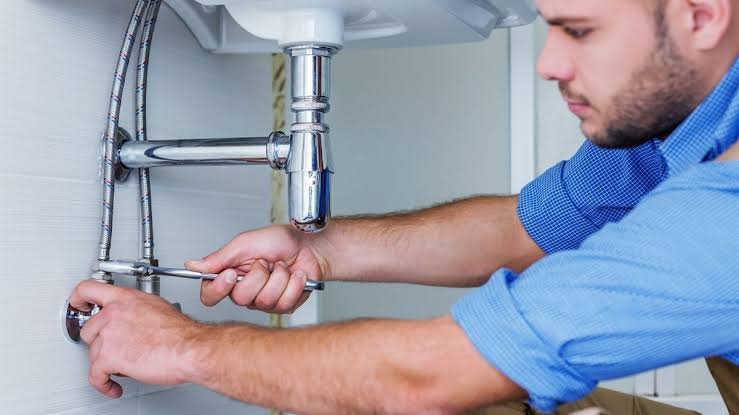
Reliable plumbing services can also prevent small mechanical problems from becoming expensive repairs. A slow leak beneath the kitchen sink may seem harmless at first, yet prolonged moisture can damage cabinets, flooring, and nearby building materials. Similarly, a pressure problem might indicate a faulty valve, a blockage, or another issue that deserves attention.
Regular inspections are especially useful in older homes or properties that have experienced repeated leaks. A plumber can check visible pipework, shutoff valves, connections, drainage, and other components that affect the system’s performance.
Everyday Habits That Help Protect Your Home
You don’t need to wait for a major repair to look after your plumbing. Check beneath sinks occasionally, watch for unexplained increases in water use, and pay attention to changes in water pressure. If a faucet starts dripping or a toilet keeps running, dealing with it early can reduce waste and prevent additional wear.
Water heaters also deserve routine attention. Follow the manufacturer’s maintenance recommendations, and have a qualified professional inspect the equipment when necessary. If sediment buildup or unusual noises become a concern, don’t ignore them indefinitely.
It’s sensible to know where the main water shutoff valve is located, too. When a pipe bursts or a connection fails, being able to stop the flow quickly can limit damage.
Managing Hard Water Without Overcomplicating Things
Hard water is one of the most common reasons homeowners consider installing treatment equipment. Calcium and magnesium naturally enter groundwater as it moves through mineral-rich rock. These minerals are not generally considered a health concern at typical concentrations, but they can create practical headaches around the house.
Scale accumulates on showerheads, faucet aerators, glassware, and the inside of appliances. Soap may lather less easily, and cleaning can become a repetitive chore. Over time, substantial scale buildup may also affect the operation of water-using equipment.
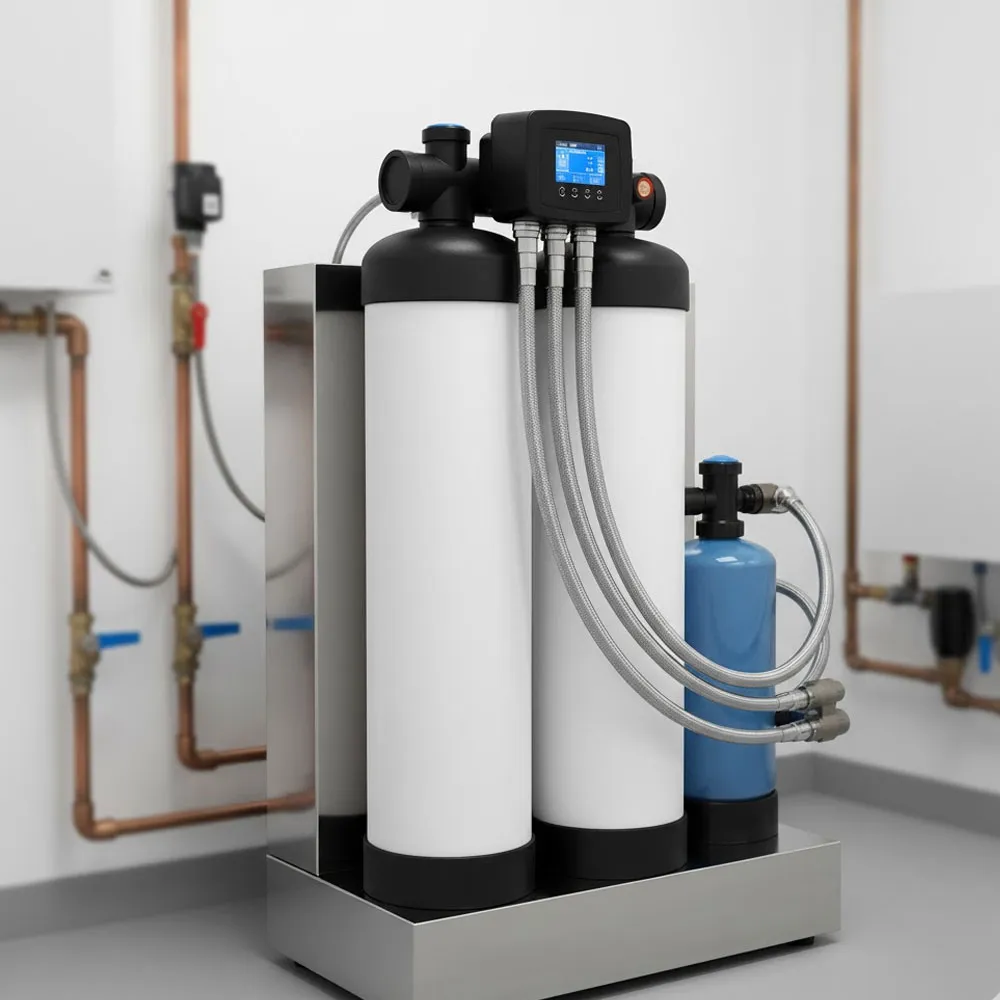
For households dealing with these issues, water softeners can be a useful option. Conventional ion-exchange softeners reduce hardness by exchanging calcium and magnesium ions for other ions, commonly sodium. The system periodically regenerates its resin so it can continue softening water.
Choosing the right capacity matters. A unit that’s too small may regenerate frequently, while a system that’s unnecessarily large can cost more than the household needs. Water hardness, daily consumption, and the number of people living in the home are useful starting points for sizing.
Keep in mind that a softener isn’t a complete filtration system. It won’t automatically remove bacteria, pesticides, or every dissolved contaminant. If the water has multiple concerns, a combination of treatment methods may be more appropriate.
Consider Efficiency and Long-Term Costs
The initial purchase price is only one part of choosing a treatment system. Some units require replacement cartridges, while others consume salt and water during regeneration. Installation, routine servicing, and replacement parts can add to the cost over several years.
Ask the supplier to explain the expected maintenance schedule and typical operating requirements. Find out whether replacement components are readily available and whether local technicians can service the equipment. These practical details matter, particularly when the system is connected to the home’s main water supply.
Efficiency is important as well. A properly sized system with suitable settings can avoid unnecessary regeneration and reduce wasted resources. Follow the manufacturer’s recommendations and arrange periodic checks if the equipment’s performance changes.
Avoid assuming that a higher-priced model will always be the better choice. The best option is one that addresses your water-quality concerns, fits your household’s usage, and remains manageable over time.
Make Water Quality Part of Home Maintenance
A comfortable, well-maintained home depends on more than attractive fixtures and reliable appliances. Water quality affects everyday routines, while the condition of the plumbing determines how reliably water moves through the property.
Start with the basics: notice changes, test the water when needed, and seek professional advice when a problem goes beyond routine maintenance. Choose treatment equipment according to measured water conditions, and keep up with inspections and recommended servicing.
You may not be able to prevent every plumbing issue or eliminate every naturally occurring mineral, but informed decisions can make a real difference. Cleaner-tasting water, fewer scale deposits, and a dependable plumbing system are achievable goals when the solution matches the problem.
In the end, good water management isn’t about buying the most sophisticated equipment available. It’s about understanding what your home needs, maintaining the systems you already have, and making sensible improvements that continue to pay off long after the initial installation.