Water is one of those things most of us barely think about until something goes wrong. A strange smell from the tap, white spots on the shower door, dry skin after a bath, or a glass of water that just doesn’t taste right can suddenly make us wonder what’s actually flowing through the pipes.
The truth is, water quality can vary considerably depending on where you live, your local supply, and the condition of your plumbing. Even water that meets basic safety standards may contain minerals, chlorine, sediment, or other substances that affect its taste, appearance, and everyday use. That’s where a thoughtful approach to water treatment can make a noticeable difference.
The goal isn’t necessarily to create “perfect” water. It’s to understand what’s in your water and choose a solution that addresses the problems that actually matter.
Start by Understanding Your Water
Before buying any equipment, it helps to know what you’re dealing with. Water problems aren’t all the same, and treating the wrong issue can be an expensive mistake.
For example, hard water is primarily associated with dissolved calcium and magnesium. It may leave mineral deposits on faucets, create scale inside plumbing fixtures, and make soap harder to rinse away. Chlorine, on the other hand, can affect taste and odor. Sediment may cause cloudy water or visible particles.
If your home uses well water, you might encounter additional concerns, such as iron, sulfur odors, or naturally occurring minerals. Municipal water supplies have their own characteristics and may be treated with disinfectants before reaching your home.
A professional water test can provide a much clearer picture than guessing based on taste or appearance. Once you know what’s present, selecting the right treatment becomes far easier.
Why Hard Water Can Be Such a Nuisance
Hard water usually isn’t something you notice in one dramatic moment. It’s more of a slow annoyance.
You might see a chalky ring around the sink. Your showerhead gradually loses water pressure because of mineral buildup. Glassware comes out of the dishwasher covered in spots. Shampoo seems to take forever to rinse. None of these things sounds catastrophic, but together, they can become frustrating.
This is one reason homeowners consider water softeners. These systems are designed to reduce hardness minerals, particularly calcium and magnesium, before the water travels throughout the home.
Softer water can make everyday cleaning easier and may help reduce scale buildup in pipes, water heaters, faucets, and appliances. It can also change the way soap behaves, which many people notice almost immediately.
Still, a softener isn’t a universal answer. It primarily addresses hardness. If your concern is bacteria, sediment, chlorine, heavy metals, or another contaminant, you may need a different type of treatment.
Filtration Is About Solving Specific Problems
The word “filter” gets thrown around a lot, but not every filter does the same job. Some are designed to remove sediment, while others target chlorine, unpleasant tastes, certain metals, or specific contaminants.
That’s why water filtration should ideally be selected according to actual water conditions rather than marketing claims.
A sediment filter, for instance, can help capture particles such as sand, dirt, or rust. Carbon filtration is commonly used to improve taste and reduce chlorine. More advanced systems can be designed to address particular contaminants, depending on the technology and certification involved.
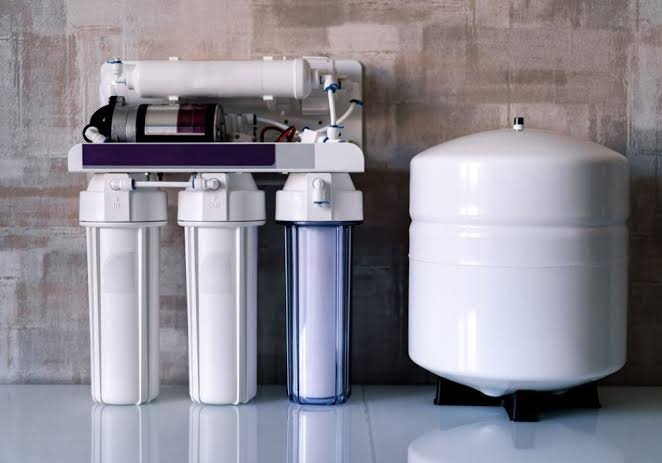
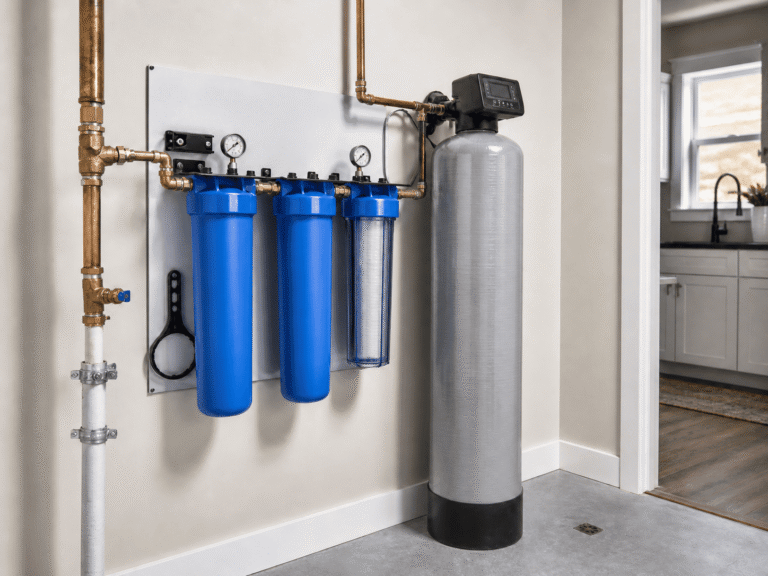
Point-of-use filters are another option. These are installed at a specific faucet, often the kitchen tap, and can be useful when drinking and cooking water are the main concerns. Whole-home systems, meanwhile, treat water as it enters the house, making treated water available at multiple fixtures.
Neither approach is automatically better. It depends on your priorities, household size, budget, and the quality of the incoming water.
Think Beyond Drinking Water
When people talk about water quality, drinking water naturally gets most of the attention. But water is also part of almost every household routine.
You shower in it. Wash clothes with it. Fill the dishwasher. Run the coffee maker. Use it for cooking and cleaning. Over time, the quality of that water can influence how your home feels and how frequently appliances and fixtures need attention.
For example, mineral-heavy water can contribute to scale inside water heaters and other plumbing components. Sediment can accumulate in fixtures. Certain odors can make showers and laundry less pleasant than they should be.
A whole-home approach can make sense when the issue affects multiple areas rather than just one drinking-water tap. It can also be more convenient because you aren’t constantly maintaining several small filters around the house.
That said, bigger equipment isn’t always the smarter choice. Sometimes a simple point-of-use solution is enough. Good treatment starts with the problem, not the product.
Maintenance Matters More Than Many Homeowners Realize
Installing a treatment system is only half the job. The other half is keeping it working properly.
Filters need replacement according to their manufacturer’s recommendations and actual usage. Some systems require periodic cleaning, inspections, or regeneration. Components can wear out, and neglected equipment may become less effective over time.
It’s easy to forget about these tasks because the equipment usually sits quietly in a corner of the garage, basement, or utility room. Out of sight, out of mind, right?
A simple maintenance calendar can help. Keep track of filter changes, professional inspections, and any unusual changes in taste, odor, pressure, or appearance.
If a system suddenly behaves differently, don’t assume it’s nothing. A drop in performance can sometimes indicate a clogged filter, exhausted media, mechanical issue, or change in the incoming water.
Choosing a System Without Overcomplicating It
There are plenty of water treatment products on the market, and the sheer number of choices can be overwhelming. The best system isn’t necessarily the most expensive or technologically impressive one.
Start with three basic questions:
- What problems are present in my water?
- Which contaminants or minerals do I actually want to address?
- Do I need treatment at one faucet or throughout the home?
Then look at system capacity, maintenance requirements, installation needs, certifications, and long-term operating costs. A cheaper system may become expensive if cartridges need frequent replacement. Conversely, a large whole-home setup may be unnecessary for someone whose only concern is drinking-water taste.
Professional advice can be particularly useful when water testing reveals several different issues. In some homes, a combination of technologies makes more sense than trying to force one system to do everything.
Cleaner Water Is a Long-Term Home Investment
Good water quality isn’t about chasing every possible contaminant or buying the latest gadget. It’s about making informed decisions based on the water you actually have.
A proper test, followed by the right treatment strategy, can help reduce everyday frustrations while protecting fixtures, appliances, and plumbing from certain water-related problems. And perhaps most importantly, it gives homeowners confidence. You know what’s coming from the tap, why it behaves the way it does, and what you can reasonably do about it.
There’s no one-size-fits-all solution. Some households may need softening, others filtration, and some may benefit from a combination of approaches. The smartest starting point is surprisingly simple: test your water, understand the results, and choose technology that solves the problem rather than adding complexity.
After all, water should be one less thing to worry about at home. When it works quietly in the background, doing exactly what you need, that’s when you know you’ve made the right choice.