A home should be a place where you can relax, cook dinner, take a shower, and get on with your day without worrying about leaking pipes or strange water odors. Yet plumbing problems have a habit of showing up at the worst possible moment. A drain backs up before guests arrive, the water heater stops working on a cold morning, or a damp patch appears on the kitchen wall for no obvious reason.
These situations are frustrating, but they’re also reminders of how much we depend on the systems hidden behind our walls and beneath our floors. Keeping those systems in good condition takes a little attention, timely repairs, and a clear understanding of the water flowing into your home.
From everyday maintenance to choosing the right water treatment equipment, a few informed decisions can improve household comfort and help prevent unnecessary expenses.
Why Dependable Plumbing Makes Everyday Life Easier
Plumbing does much more than carry water from one place to another. It supplies clean water to fixtures, removes wastewater, and supports appliances that most households use every day. When one part of the system fails, the effects can spread quickly.
A slow kitchen drain, for example, might begin as a minor inconvenience. Over time, grease and food particles can accumulate inside the pipes, making the blockage worse. Similarly, a small leak beneath a bathroom sink may eventually damage cabinets, flooring, and nearby walls if it’s left unattended.
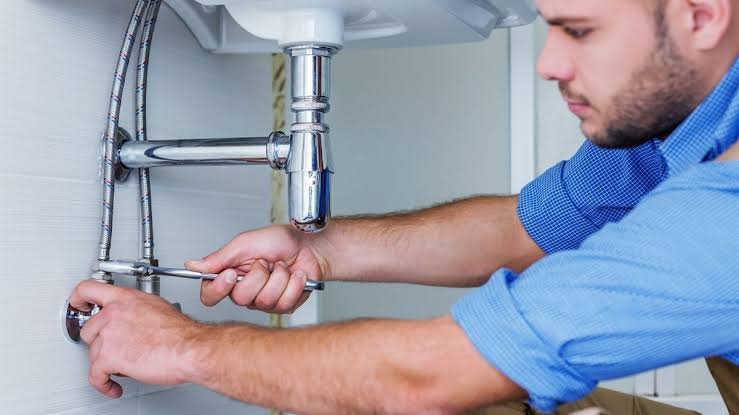
Reliable plumbing services can help identify the underlying cause of these problems rather than simply addressing the visible symptoms. Depending on the situation, a professional may inspect pipe connections, assess water pressure, clear a blocked drain, repair a fixture, or recommend replacing worn components.
It’s worth paying attention to changes in your home’s plumbing. Unexplained increases in water bills, persistent odors, unusual pipe noises, and recurring leaks can all indicate that something needs attention.
The sooner a problem is investigated, the more likely it is that you’ll have several practical options instead of facing a costly repair under pressure.
Recognizing Common Plumbing Problems
Some plumbing issues are easy to spot, while others develop quietly over weeks or months. Knowing what to look for can make a real difference.
Low water pressure: When water suddenly comes out of a faucet more slowly than usual, the cause might be a clogged aerator, a partially closed valve, a supply problem, or a hidden leak. If several fixtures are affected at once, a broader inspection may be necessary.
Dripping faucets: A worn washer, damaged cartridge, or faulty seal can allow water to escape continuously. The waste from one drip may seem insignificant, but it adds up over time.
Slow or gurgling drains: Hair, soap residue, grease, and other debris can restrict drainage. If multiple drains begin backing up or produce persistent gurgling sounds, the problem may be deeper in the drainage system.
Damp walls and ceilings: Water stains, peeling paint, and musty smells can indicate hidden moisture. Don’t assume the issue is simply condensation without checking for a possible leak.
Water heater problems: Inconsistent temperatures, unusual noises, or visible leaks around a water heater deserve attention. Some issues can be repaired, while others may indicate that the unit is approaching the end of its useful life.
Basic observation is helpful, but avoid dismantling pressurized equipment or attempting repairs involving gas or electrical connections unless you’re properly qualified.
Why Emergency Plumbing Problems Need a Quick Response
Not every plumbing issue needs immediate attention, but certain situations shouldn’t wait until the next convenient appointment. A burst pipe, overflowing sewage, or major leak can damage floors, furniture, and electrical equipment in a surprisingly short time.
Access to emergency service can be especially valuable when a plumbing failure happens overnight, during a weekend, or just before a household event. A prompt response may help control the immediate problem and prevent further damage while a permanent repair is arranged.
If a pipe bursts, turn off the main water supply if you can reach the shutoff valve safely. Keep away from wet electrical equipment and contact a qualified professional. If wastewater is backing up, avoid contact with the contaminated water and keep children and pets away from the affected area.
A plumbing emergency doesn’t always involve dramatic flooding, either. A sudden loss of water, a severe sewer odor, or a water heater leaking heavily may also require urgent assessment.
When contacting a plumber, describe what’s happening, where the problem is located, and whether the water supply has been shut off. These details help the technician understand the situation and prepare for the visit.
For less urgent problems, scheduling a standard appointment may be perfectly reasonable. The important thing is knowing when delay could make the damage worse.
Understanding Your Home’s Water Quality
Clean-looking water isn’t necessarily free of every unwanted substance. Depending on the source, water may contain excess minerals, sediment, iron, chlorine, or other contaminants that affect its appearance, taste, or suitability for particular uses.
Hard water is one of the most common household concerns. It contains elevated concentrations of calcium and magnesium, which can leave white deposits on faucets, shower screens, and heating elements. These minerals can also make soap less effective and contribute to scale buildup in plumbing equipment.
Other concerns call for different solutions. Sediment may affect water clarity, while certain dissolved substances require specialized filtration or treatment methods. The right approach depends on the actual water chemistry rather than assumptions based on appearance alone.
Start with a suitable water test. Municipal water customers can review their supplier’s water quality report, while private well owners should arrange testing appropriate to their location and circumstances.
Testing helps establish whether treatment is necessary and which performance standards the equipment should meet. It also reduces the risk of spending money on a system that doesn’t address the problem.
Choosing the Right Water Treatment Equipment
Modern treatment equipment can address a range of water quality concerns, but no single product solves every issue.
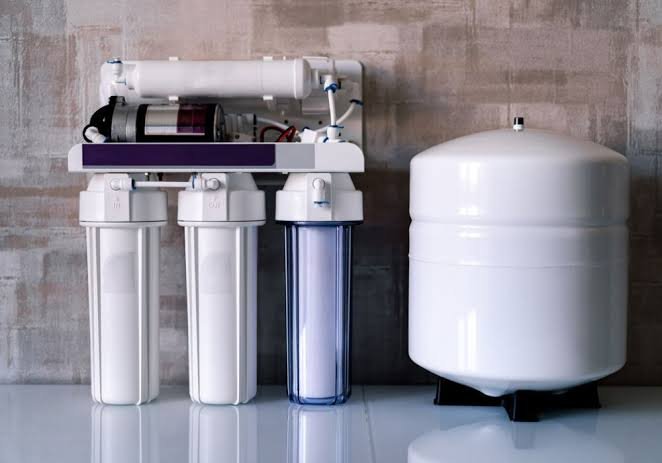
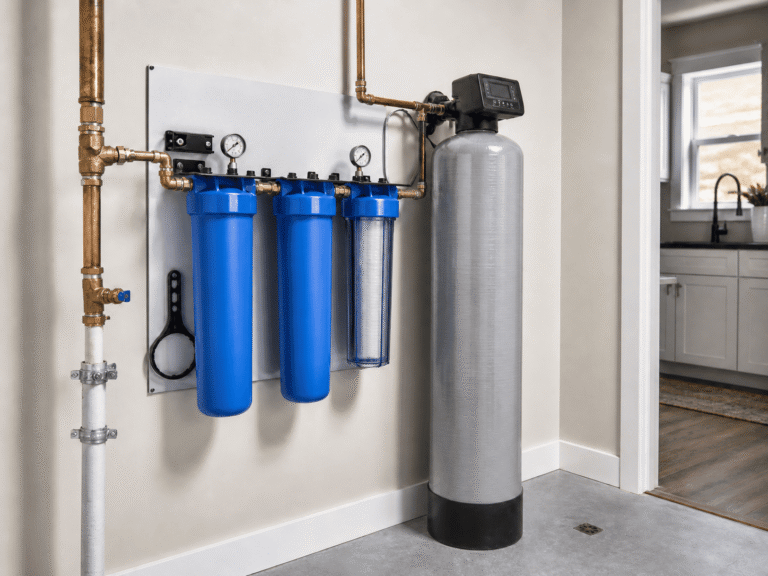
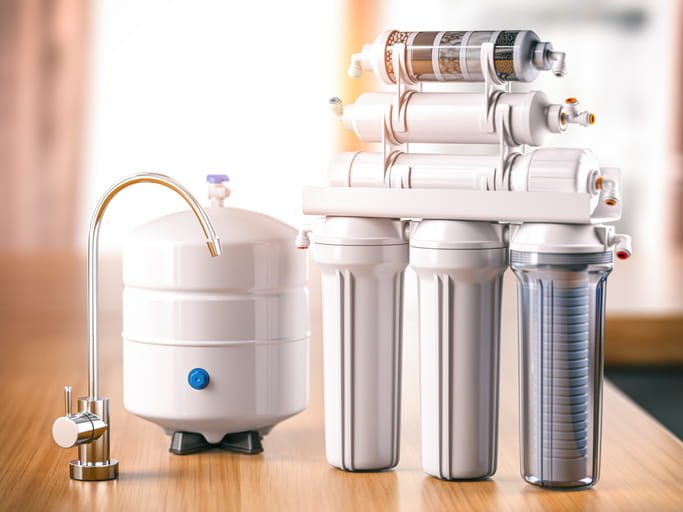
Homeowners may compare several water treatment systems before making a decision. Common options include water softeners for hardness, sediment filters for suspended particles, activated carbon filters for certain taste and odor concerns, and reverse osmosis units for reducing selected dissolved substances.
Each technology serves a different purpose. A water softener generally reduces calcium and magnesium through an ion-exchange process. Activated carbon can reduce chlorine and certain organic compounds, depending on the filter’s design and certification. Reverse osmosis uses a membrane to reduce many dissolved substances, although performance varies by contaminant and model.
Whole-house systems treat water entering the property, while point-of-use equipment focuses on a specific fixture, such as a kitchen drinking-water tap. The best arrangement depends on whether the concern affects all household water or only water used for drinking and cooking.
Check independent certifications, rated treatment capacity, filter replacement costs, maintenance requirements, and the manufacturer’s performance claims. A system that looks inexpensive initially may cost more over several years if replacement cartridges are costly or difficult to obtain.
It’s also important to maintain the equipment properly. Filters need replacement at appropriate intervals, and neglected systems may lose effectiveness. Follow the manufacturer’s instructions and arrange professional servicing when required.
Everyday Habits That Protect Your Plumbing
Good maintenance doesn’t need to be complicated. A few simple routines can help keep pipes and fixtures working properly.
Avoid pouring cooking grease down the kitchen sink. It can solidify inside drainage pipes and trap other debris. Use a strainer to catch food particles, and clean shower drains regularly to remove accumulated hair.
Inspect visible pipework beneath sinks and around washing machines for moisture, corrosion, and damaged connections. Check toilets for continuous running, and pay attention to unexplained changes in water usage.
Learn where your main water shutoff valve is located before an emergency happens. If freezing temperatures are common in your area, insulate exposed pipes and take appropriate winter precautions.
Water treatment equipment also needs routine attention. Replace filters as directed, keep records of maintenance, and investigate changes in water taste, pressure, or appearance rather than assuming the equipment is still working properly.
Investing in Long-Term Comfort and Reliability
A dependable plumbing system comes from a combination of careful maintenance, appropriate equipment, and timely professional support. Some problems can be prevented through everyday habits, while others require specialist tools and experience to diagnose correctly.
Start by addressing leaks and drainage issues before they become more serious. Test your water when there are concerns about its quality, and choose treatment equipment based on verified results rather than marketing promises.
Most importantly, don’t wait for a major failure before paying attention to your home’s plumbing. A little preparation today can save time, money, and stress later. When clean water flows reliably, drains work as they should, and essential equipment receives proper care, the entire household benefits.