Water Treatment and Plumbing: Building a Healthier Home from the Ground Up
Water is one of those things we tend to notice only when something goes wrong. A strange taste from the kitchen tap, a stubborn leak under the sink, weak shower pressure, or that familiar orange stain around a drain can suddenly turn an ordinary morning into a plumbing headache. And while some problems are obvious, others quietly develop behind walls and under floors.
That’s why good water care is about more than fixing a dripping faucet. It’s about understanding what’s coming through your pipes, how your plumbing system is performing, and whether small warning signs are pointing toward a larger issue. For homeowners looking for reliable solutions, water treatment & plumbing services in manassas can bring together two areas that are often closely connected: water quality and plumbing performance.
Water Quality Starts With Knowing What’s in Your Water
Clear water isn’t necessarily problem-free water. Depending on the source and local conditions, household water may contain minerals, sediment, chlorine, metals, bacteria, or other unwanted substances. Some are easy to spot because they affect taste, smell, or appearance. Others aren’t noticeable at all.
Hard water is a common example. Calcium and magnesium don’t usually make water look dirty, but over time they can leave scale inside faucets, showerheads, water heaters, and pipes. That white crust around a tap isn’t just annoying to clean. Heavy scale can reduce efficiency and contribute to plumbing wear.
A proper water assessment can help homeowners understand what they’re actually dealing with instead of guessing based on taste or appearance. It’s a small step, but it can prevent spending money on a treatment system that doesn’t address the real problem.
Why Water Treatment Matters for Everyday Life
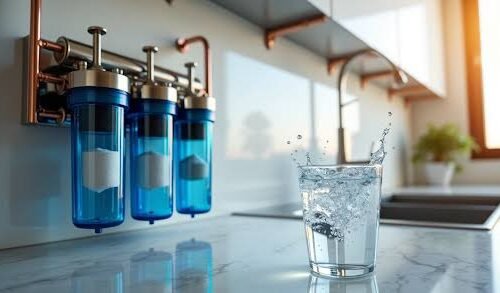
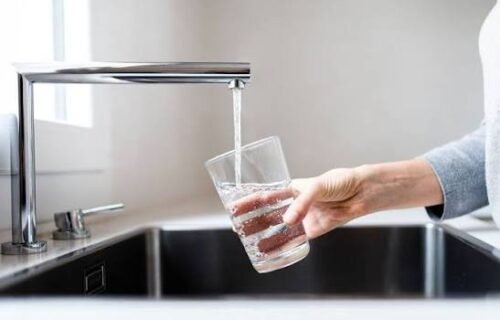
Most people think about water treatment in terms of drinking water, and understandably so. We cook with it, make coffee with it, wash fruits and vegetables, and fill children’s cups with it. Having clean, healthy water available throughout the home can make a noticeable difference in everyday comfort and confidence.
But treatment can also support the plumbing system itself. Depending on the issue, filtration or conditioning may reduce sediment, scale, chlorine, or certain contaminants that can affect fixtures and appliances.
The right solution isn’t necessarily the most complicated one. A household with mild sediment concerns may need something quite different from a property dealing with hard water or specific chemical contaminants. That’s why testing should come before choosing equipment. Good water treatment is less about buying a fancy system and more about matching the solution to the actual water.
Small Plumbing Problems Deserve Attention
A dripping faucet might seem harmless. So might a toilet that runs for a few minutes after every flush. But plumbing systems have a funny way of turning little annoyances into expensive repairs when they’re ignored for too long.
A slow drain can indicate buildup somewhere in the line. Low water pressure may point to mineral accumulation, a failing pressure regulator, or another underlying issue. Damp spots beneath cabinets can signal a leak that has already started affecting wood or flooring.
Homeowners don’t need to panic over every odd noise or drip, of course. Still, recurring problems deserve a closer look. Catching a leak early is usually much easier, cheaper, and less disruptive than repairing water damage later.
The Connection Between Water Treatment and Plumbing
Water quality and plumbing aren’t separate worlds. They interact every day.
For example, hard water can contribute to scale formation inside pipes and appliances. Sediment can collect in fixtures or interfere with certain plumbing components. Poorly maintained water heaters can struggle with mineral deposits, reducing efficiency and shortening their useful life.
On the other hand, a well-maintained plumbing system helps deliver treated water effectively throughout the home. Filters and treatment equipment also need proper installation and periodic maintenance to work as intended.
Think of it like maintaining a car. You wouldn’t focus only on clean fuel while ignoring the engine, tires, and brakes. A home water system works much the same way. Treatment, plumbing, fixtures, and appliances all play a part.
When Professional Plumbing Help Makes Sense
There are plenty of minor tasks a confident homeowner can handle. Replacing a faucet aerator or tightening an accessible connection isn’t necessarily a job for a professional. But anything involving hidden pipes, major leaks, sewer lines, gas connections, or significant water damage deserves more caution.
Professional technicians can identify issues that aren’t immediately visible and determine whether a repair is actually solving the cause or simply covering up the symptom.
Reliable dependable plumbing also matters when installing water treatment equipment. Incorrect connections, inadequate pressure, poor drainage arrangements, or improper sizing can affect how well a system performs. Professional installation gives homeowners a better chance of getting the results they expected in the first place.
Don’t Forget About Maintenance
Even a well-designed system needs attention from time to time. Filters have to be replaced, treatment equipment may need servicing, and plumbing connections should be checked periodically.
A simple maintenance routine can include:
- Checking visible pipes and connections for moisture or corrosion.
- Replacing filtration cartridges according to manufacturer recommendations.
- Watching for changes in water taste, smell, color, or pressure.
- Inspecting water heaters for signs of leakage or excessive sediment.
- Addressing recurring clogs instead of repeatedly using temporary fixes.
- Scheduling professional inspections when problems keep coming back.
These aren’t glamorous jobs. Nobody gets excited about checking a water heater. But routine maintenance is often what keeps a manageable issue from becoming a weekend emergency.
Choosing the Right Solution for Your Home
Every home has its own combination of plumbing age, water source, household size, usage patterns, and water-quality concerns. That’s why a neighbor’s treatment setup isn’t automatically the right choice for your property.
Start with the basics. Find out where your water comes from and have it tested if you’re concerned about quality. Pay attention to recurring plumbing symptoms. Then discuss the findings with a qualified professional who can recommend practical options.
It’s also worth asking about long-term maintenance, operating costs, filter replacement, warranty coverage, and installation requirements. The cheapest system on day one may not be the cheapest option over several years.
A Better Water System Is an Investment in Comfort
There’s something reassuring about turning on a tap and knowing the water is being handled properly. No strange smell. No worrying about unexplained stains. No ignoring that tiny leak because you’re afraid of what it might mean.
Good water treatment and plumbing care won’t eliminate every household problem, but they can make your home more comfortable, efficient, and easier to maintain. More importantly, they encourage homeowners to deal with issues before they become major disruptions.
Water does a lot of work behind the scenes. Give the system delivering it the attention it deserves, and your home will usually reward you with fewer surprises, better performance, and one less thing to worry about.