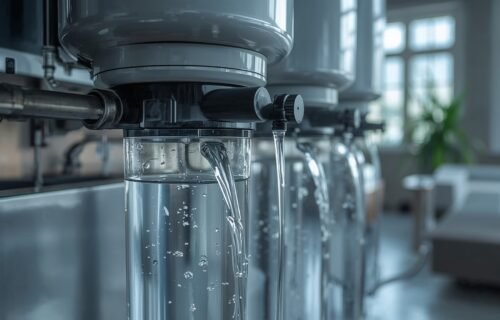
Cleaner Water Starts at Home: Choosing the Right Water Treatment System
Water is one of those things we rarely think about until something seems off. Maybe the tap starts leaving white marks on the sink. Perhaps there’s a strange smell in your morning glass, or your hair feels unusually dry after a shower. These little signs can be easy to ignore, but they may point to issues with the water coming into your home.
Choosing the right water filtration and treatment systems can make a noticeable difference. The trick, though, is not to buy the first system that promises “pure” water. Every home has different water conditions, and what works beautifully for one household may be unnecessary—or ineffective—for another.
Understanding What’s Actually in Your Water
Not all water problems look the same. Municipal water supplies can contain chlorine, sediment, minerals and other substances picked up during treatment or distribution. Well water, meanwhile, may have elevated levels of iron, hardness, sulfur or naturally occurring contaminants.
Hard water is especially common and can be frustrating. It may leave mineral deposits around faucets, make soap harder to rinse away and gradually affect appliances such as water heaters and washing machines.
Then there are concerns that aren’t immediately visible. Water can look crystal clear and still contain substances you’d rather not consume.
That’s why guessing isn’t a great strategy. Testing the water first gives you a much clearer picture of what needs attention.
Why Water Testing Should Come Before Treatment
It’s tempting to think that a bigger or more complicated filter must provide better results. In reality, treatment should be based on the specific characteristics of your water.
A professional test can identify factors such as:
- Water hardness
- Chlorine levels
- Iron and manganese
- Sediment
- pH balance
- Total dissolved solids
- Certain bacteria or other contaminants, depending on the test
Once those results are understood, a homeowner can choose a treatment approach with much more confidence.
For example, a household dealing mainly with hard water may benefit from a water softener, while another home may need filtration for sediment or unpleasant odors. Some families may also choose reverse osmosis for drinking and cooking water.
In other words, there isn’t really a one-size-fits-all answer. Your water has its own story.
The Difference Between Filtration and Water Treatment
The words “filtration” and “treatment” are often used interchangeably, but they can describe different processes.
Filtration generally focuses on removing unwanted particles or substances from water. Depending on the technology, filters can target sediment, chlorine, odors and certain contaminants.
Water treatment is a broader term. It can include softening, disinfection, pH adjustment, iron removal, reverse osmosis and other technologies designed to address particular water conditions.
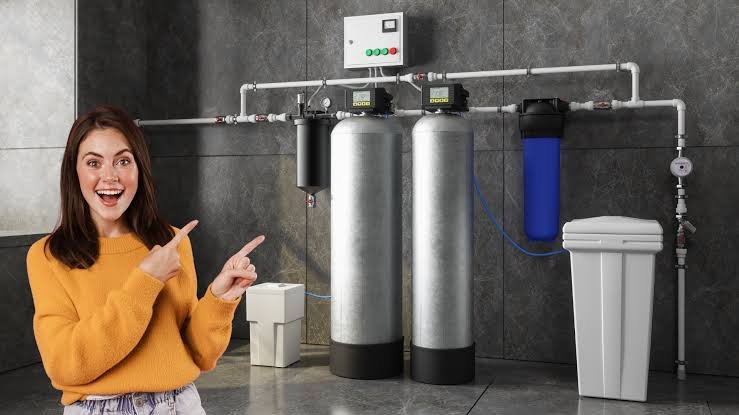
A well-designed home system may use more than one stage. For instance, sediment filtration could be followed by a softener, with a separate reverse-osmosis unit supplying drinking water at the kitchen sink.
The goal isn’t to make the water “more treated” than necessary. It’s to address the actual problem efficiently.
Consider the Whole Household, Not Just the Kitchen
When people think about water quality, they often focus on drinking water. That makes sense, but the water used for bathing, laundry and cleaning matters too.
Hard water can affect the entire plumbing system. Mineral buildup may reduce efficiency in water-using appliances, while soap and detergent can behave differently in mineral-rich water.
A whole-home treatment system addresses water as it enters the property rather than treating only one faucet.
That can be particularly useful for larger families or homes where water is used heavily throughout the day. Of course, system capacity matters. A unit designed for a small household may struggle in a busy home with several bathrooms.
What About the Cost?
Cost is understandably one of the first questions homeowners ask. A water treatment system can represent a meaningful investment, particularly when installation and ongoing maintenance are included.
But the cheapest option isn’t necessarily the most economical over time.
Look beyond the initial purchase price. Ask about filter replacement schedules, salt requirements, electricity consumption, maintenance, warranties and expected system life. A slightly more expensive system that is efficient and easy to maintain may prove more practical in the long run.
For households concerned about the upfront expense, financing available through a qualified provider can make a larger project easier to manage. Instead of paying the entire amount at once, homeowners may have payment options that fit more comfortably within their budget. Terms vary, so it’s worth reading the details carefully before committing.
A Professional Water Analysis Can Remove the Guesswork
If you’ve never tested your home’s water, starting there is probably the smartest move.
A free in-home water analysis can be particularly helpful because it allows a professional to assess the water where it is actually being used. Depending on the provider, the process may involve testing water characteristics, discussing household concerns and explaining possible treatment options.
Don’t be afraid to ask questions during the visit. A good water professional should be able to explain the results in plain English, not bury you under technical jargon.
You should also be cautious of anyone who insists that you need an expensive system before explaining what problem it is designed to solve.
Maintenance Matters More Than People Think
Even a high-quality treatment system needs attention. Filters eventually become saturated, softeners require appropriate salt or regeneration settings, and certain components need periodic inspection.
Skipping maintenance can reduce performance and, in some cases, create new water-quality concerns.
Set reminders for filter changes and servicing. Keep track of replacement parts. If your water suddenly changes in taste, smell or appearance, don’t simply assume the system is working normally.
A few minutes of attention now can prevent a much bigger headache later.
Making a Smarter Choice for Your Home
Good water treatment isn’t about chasing the idea of perfectly “pure” water. It’s about understanding what your household actually needs and choosing technology that solves those problems without unnecessary complexity.
Start with testing. Compare treatment methods. Consider installation and maintenance costs, not just the sticker price. And think about how the system will perform five or ten years from now—not merely how impressive it sounds today.
Clean, dependable water should feel ordinary. That’s the whole point. When the right system is working quietly in the background, you don’t have to think about it every time you turn on the tap. You simply open the faucet, fill a glass, and get on with your day.