Water is one of those things most people barely think about until something goes wrong. A weak shower, cloudy glass of water, strange taste, or a pump that suddenly stops working can turn an ordinary day into a frustrating one. Behind the scenes, though, a lot has to happen before water reaches a faucet cleanly and at the right pressure.
That’s why understanding how water moves through a home or commercial property is surprisingly useful. From pumping and pressure management to filtration and purification, each part of the system has a job. When those pieces work together, you get something that feels simple: reliable water.
Why Water Movement Matters More Than You Think
Water doesn’t move through a plumbing system by magic. Pressure, gravity, pipe size, elevation, and equipment all influence how efficiently it travels. In homes that rely on private wells, for example, water needs to be lifted from underground and delivered to storage or directly into the plumbing system.
This is where water pumps become important. A properly selected pump can provide the pressure needed for everyday tasks such as showering, washing clothes, running appliances, and watering outdoor spaces.
But bigger isn’t always better. A pump that is too powerful may create unnecessary pressure and put stress on pipes, fixtures, and connections. One that’s too small may struggle to keep up when several faucets are running at once.
The goal is balance. Good water system design considers the property’s size, water demand, well depth where applicable, pressure requirements, and the condition of the existing plumbing.
What Happens Before Water Reaches Your Faucet?
Once water has been moved into a property, another question comes up: Is it actually suitable for use?
Water can contain naturally occurring minerals, sediment, microorganisms, metals, or chemicals picked up along the way. Municipal water may also contain disinfectants used during treatment. None of this automatically means the water is unsafe, but different water sources have different challenges.
This is why testing should come before choosing equipment. It’s tempting to buy a filtration system because a neighbor has one or because an online advertisement promises cleaner water. Yet water problems aren’t identical from one property to another.
A laboratory test or professional water analysis can identify what is actually present. From there, treatment can be matched to the problem rather than guessed at.
Water Treatment Isn’t One-Size-Fits-All
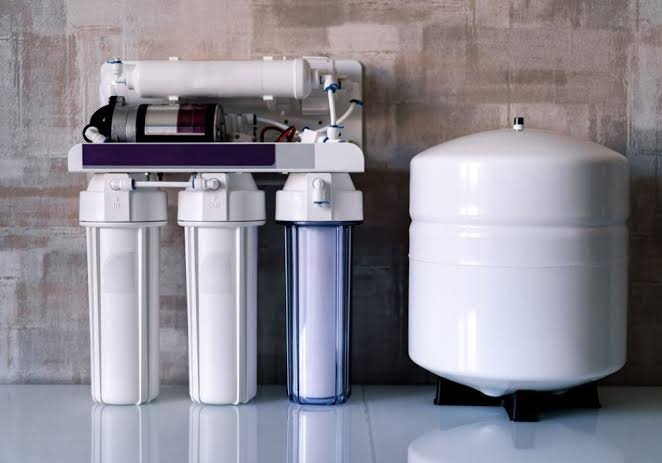
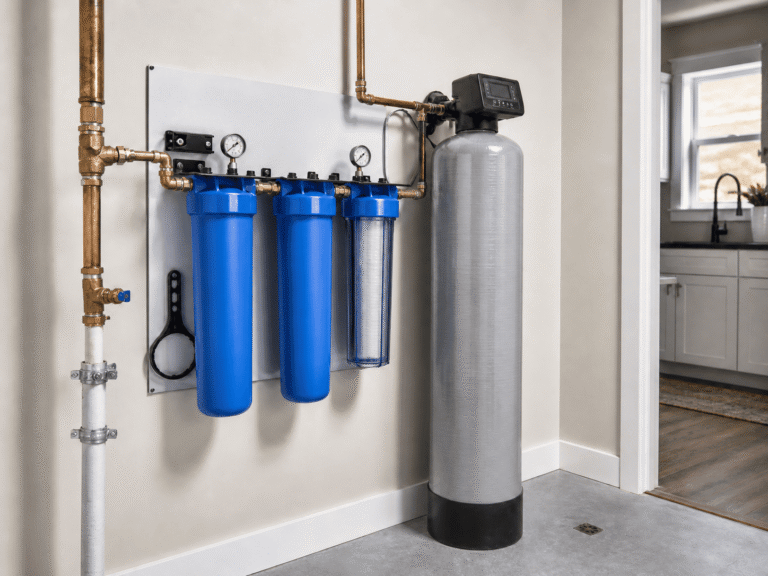
The phrase water treatment covers a surprisingly wide range of technologies. A basic sediment filter may be enough to remove visible particles, while another home might need a softener to manage hard-water minerals.
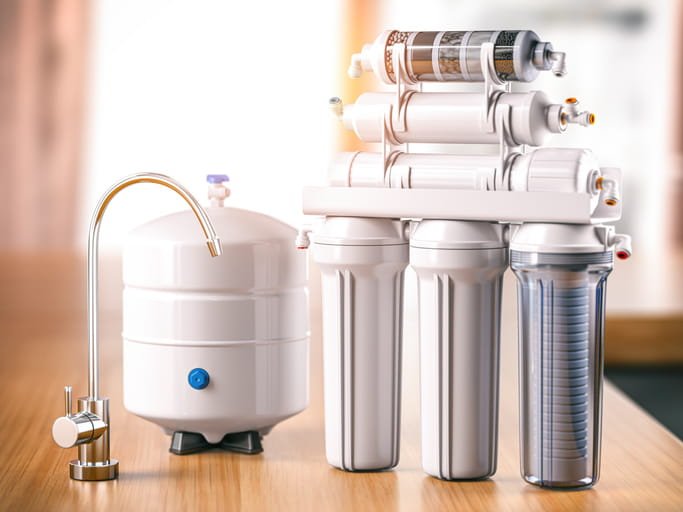
Some systems are designed to reduce chlorine taste and odor. Others target specific contaminants or provide additional purification at a drinking-water tap.
The important thing is understanding what a system is designed to do. A softener, for instance, isn’t the same thing as a drinking-water purifier. A sediment filter doesn’t solve every chemical or biological concern. Choosing the right technology means matching the treatment method to the water chemistry.
That may sound obvious, but it’s an easy detail to overlook when shopping for equipment.
Hard Water Can Quietly Become an Expensive Problem
Hard water is another common concern, particularly in areas where groundwater contains elevated levels of calcium and magnesium.
You might notice white scale around faucets, showerheads, or glass doors. Over time, those minerals can build up inside plumbing and water-using appliances. Soap may also rinse differently, and laundry can sometimes feel less soft than expected.
A water softener can help by reducing the concentration of hardness minerals entering the household plumbing. That can make cleaning easier and help limit scale formation.
Still, treatment isn’t simply about making water feel nicer. Preventing mineral buildup can also support the long-term performance of appliances such as water heaters, dishwashers, and washing machines.
When Pressure Problems Point to Something Bigger
Low water pressure is one of those issues people often try to fix with a quick adjustment. Sometimes that works. Sometimes it doesn’t.
If pressure suddenly drops, there could be a clogged filter, failing pump, damaged pressure tank, leaking pipe, or another mechanical problem. In a well system, changes in the water supply or pump performance may also be involved.
On the other hand, unusually high pressure can be just as concerning. Excessive pressure can contribute to leaks, noisy pipes, and premature wear on plumbing fixtures.
Instead of immediately replacing equipment, it’s smarter to identify the cause. A pressure gauge reading, system inspection, and basic flow assessment can reveal quite a bit.
Maintenance Is the Part People Usually Skip
Water equipment doesn’t need constant attention, but it does benefit from regular maintenance. Filters eventually become loaded with sediment. Pumps and pressure components can wear down. Treatment systems may need servicing or replacement media.
Ignoring these small tasks can make a system less efficient and, eventually, more expensive to repair.
A simple maintenance routine might include checking filter condition, inspecting visible connections for leaks, monitoring pressure changes, and following the manufacturer’s recommended service schedule.
It’s also worth paying attention to changes in the water itself. A new odor, unusual taste, discoloration, or sudden drop in pressure shouldn’t simply be written off as “one of those things.”
Sometimes the water is telling you that something has changed.
Why Professional Assessment Can Save Time
For complicated systems, professional help isn’t about making things unnecessarily technical. In fact, the right expert should make the situation easier to understand.
Experienced water movement and treatment experts can look at the entire system rather than focusing on one isolated component. They can evaluate pumping equipment, pressure, filtration, treatment requirements, and plumbing conditions together.
That broader view matters. Installing a new filter won’t solve a failing pump. Replacing a pump won’t correct poor water quality. And treating hard water won’t necessarily address every contaminant in the supply.
A whole-system approach helps avoid spending money on equipment that doesn’t actually solve the underlying problem.
Building a More Reliable Water System
A good water system should feel almost invisible. You turn on a tap, and the water comes out. It has reasonable pressure, looks clean, and performs the way you expect.
Getting to that point, however, requires a little thought.
Start with testing and inspection. Understand where your water comes from and what challenges it presents. Make sure pumping equipment is properly sized and maintained. Choose treatment based on actual water-quality needs rather than marketing claims. And don’t ignore small changes in pressure, taste, odor, or appearance.
Water systems are easy to take for granted because they usually work quietly in the background. But when movement, pressure, and treatment are properly coordinated, they protect more than convenience. They support the plumbing, appliances, and everyday routines that make a property function.
In the end, cleaner water isn’t just about installing another piece of equipment. It’s about understanding the water you have, how it moves, and what it needs along the way.