Roll-Off Dumpster Rentals: A Practical Guide to Smarter Waste Removal
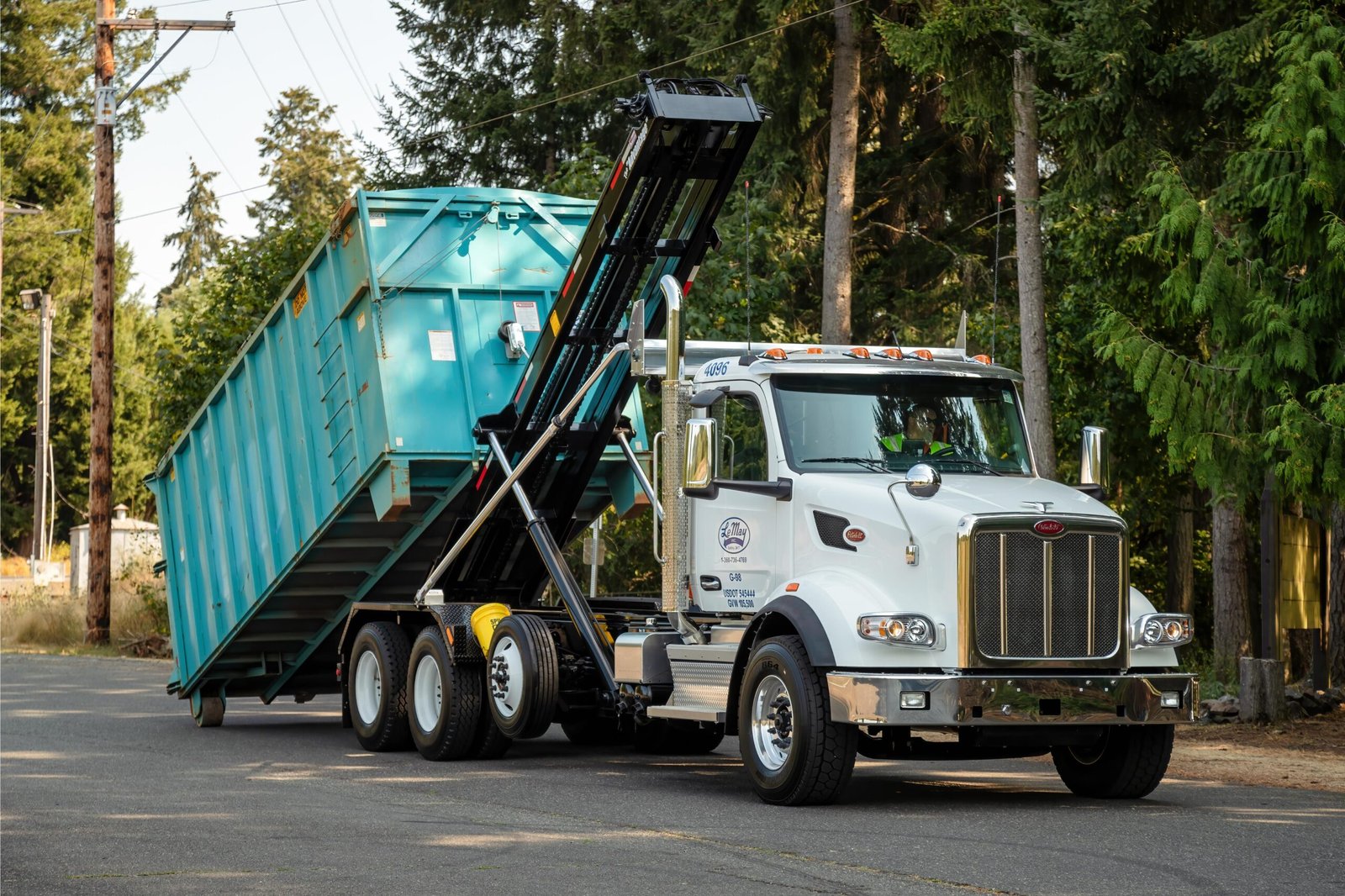
When a home renovation, cleanup project, construction job, or major move starts piling up debris, ordinary trash bins can become frustratingly small. Cardboard, broken furniture, old flooring, drywall, branches, and other bulky materials have a way of accumulating faster than expected. That’s where roll-off dumpster rentals can make life considerably easier.
Instead of making repeated trips to a landfill or trying to squeeze everything into household garbage containers, a roll-off dumpster gives you one convenient place to collect project waste. It arrives at your property, stays there while you work, and is hauled away when you’re finished. Simple, really — but choosing the right size and service still matters.
Why Roll-Off Dumpsters Are Useful
Large cleanup projects create more waste than most people anticipate. A small bathroom remodel might produce several bags of debris, while a full home renovation can generate piles of lumber, cabinets, tile, packaging, and other materials.
A roll-off dumpster provides a designated space for this waste from the beginning. That keeps the work area more organized and reduces the temptation to leave debris scattered around the property.
For contractors, it can also help keep job sites safer. Workers aren’t constantly stepping around loose materials, and waste can be consolidated rather than spread across the site.
Choosing the Right Dumpster Size
One of the most common mistakes people make is choosing a container based only on how much waste they think they have. It’s better to consider the type and volume of material being removed.
Smaller dumpsters may work well for garage cleanouts, minor remodeling projects, or household decluttering. Medium-sized containers are often suitable for larger renovations, roofing jobs, and significant property cleanups. Major construction or demolition projects generally require larger containers.
Don’t forget that certain materials can take up surprisingly large amounts of space. Old mattresses, furniture, cabinets, and branches are good examples. When you’re uncertain, asking the rental company about your project is usually smarter than guessing.
Understanding Dumpster Rental Costs
The price of a dumpster rental can vary depending on several factors, including container size, rental period, location, disposal fees, and the type of material being discarded.
Some companies offer straightforward flat-rate pricing, while others may charge separately for delivery, pickup, additional weight, or extra rental days. Before booking, ask what the quoted price actually includes.
It’s also worth checking whether there are weight limits. Heavy materials such as concrete, bricks, soil, and roofing shingles can add substantial weight even when they don’t completely fill the container.
A slightly larger dumpster isn’t necessarily more expensive overall if it prevents you from needing a second container.
What Can You Put in a Dumpster?
Most ordinary renovation and cleanup debris can go into a standard dumpster, but restrictions vary between providers and local disposal facilities.
Commonly accepted materials may include:
- Household junk and unwanted furniture
- Wood and drywall
- Roofing materials
- Cardboard and packaging
- Yard debris
- Flooring and carpeting
- General construction debris
Certain items, however, may require specialized disposal. Paint, chemicals, batteries, tires, appliances containing refrigerants, and other potentially hazardous materials are often restricted.
This is one of those situations where it pays to ask before tossing something inside. A quick phone call can prevent an unexpected charge or disposal problem later.
Placement Matters More Than You Think
Before the dumpster arrives, think carefully about where it will go. The delivery truck needs enough room to access the property, and the container should sit on a stable surface.
A driveway is often convenient, but make sure there is adequate clearance for vehicles and that the location doesn’t block garages, gates, sidewalks, or essential access points.
If the dumpster needs to sit on a public street, you may need a local permit. Rules differ by municipality, so checking beforehand is a good idea.
Also consider the distance between the dumpster and your work area. The closer it is, the less time you’ll spend carrying heavy debris across the property. That sounds like a small detail, but after several hours of cleanup, you’ll notice the difference.
Make Waste Removal Part of the Project Plan
Good waste management isn’t something to think about only after the debris starts piling up. It should be part of the project from day one.
Estimate how much waste the job is likely to produce, decide which materials can be recycled or donated, and identify anything that needs special disposal. Then choose a dumpster that fits what’s left.
Keeping recyclable materials separate can sometimes reduce disposal costs and is generally better for the environment. Old cabinets, usable furniture, scrap metal, and certain building materials may have a second life instead of going directly to a landfill.
For construction companies, planning waste removal in advance can also make schedules more predictable. Nobody wants a crew standing around because the dumpster is overflowing halfway through a project.
Tips for Getting More From Your Dumpster
A little organization goes a surprisingly long way.
Break down large cardboard boxes and flatten bulky materials whenever possible. Place heavier debris toward the bottom and distribute weight rather than creating one giant pile on one side.
Never overfill the container. Waste should generally remain below the top edge, both for safety and transportation requirements.
It’s also smart to avoid mixing restricted materials with ordinary debris. If you’re unsure whether something is accepted, check with the provider before disposal.
Finally, don’t order a dumpster too early if your project schedule is uncertain. Paying for unused rental days isn’t particularly helpful. On the other hand, waiting until the last minute can create delays when containers aren’t immediately available.
A Cleaner Way to Finish Big Projects
Whether you’re clearing out an old house, remodeling a kitchen, replacing a roof, or managing a construction site, waste is simply part of the process. The goal isn’t to pretend there won’t be a mess. It’s to manage that mess efficiently.
The right dumpster can save trips, keep your property more orderly, improve job-site safety, and make cleanup feel far less overwhelming. And while the container itself is only one piece of the puzzle, choosing the right size, understanding pricing, checking disposal restrictions, and planning placement can make a noticeable difference.
A successful project isn’t just about what you build or renovate. It’s also about how smoothly you handle everything left behind. With a little planning, waste removal doesn’t have to become another headache on an already long to-do list.