There’s something easy to overlook about water. We turn on the tap, fill a glass, make coffee, wash vegetables, and get on with the day. Because it’s always there, we rarely stop to wonder what’s actually in it. Yet water quality can vary considerably from one home to another, even within the same community.
That’s why choosing the right water treatment system isn’t simply about buying the first filter that looks convincing. It starts with understanding your water, noticing the problems you’re experiencing, and then matching a solution to those needs. Whether you’re dealing with unpleasant taste, hard water, sediment, or concerns about certain contaminants, a little research can make a surprisingly big difference.
Start With Your Water, Not the Equipment
One of the most common mistakes homeowners make is choosing a filtration system before finding out what their water actually contains. It’s tempting. You see a product promising cleaner, fresher water and think, “That should do it.”
But water problems aren’t all the same.
Municipal water may contain disinfectants such as chlorine, while private well water can have issues involving minerals, sediment, iron, sulfur compounds, or other naturally occurring substances. Hard water, meanwhile, can leave spots on fixtures, reduce soap performance, and gradually contribute to scale inside plumbing and appliances.
If you’re in Texas, for example, understanding local water characteristics can be especially useful. Homeowners looking into water purification in sugar land should consider having their water tested rather than relying solely on general assumptions about the area’s supply.
A basic water analysis can help identify hardness, pH, sediment, and other measurable characteristics. From there, it becomes much easier to determine whether you need filtration, softening, purification, or a combination of technologies.
Filtration and Softening Solve Different Problems
People sometimes use the words “filter” and “softener” as if they mean the same thing. They don’t.
A water filter is generally designed to reduce specific unwanted substances or improve characteristics such as taste, odor, and clarity. Depending on the technology, filtration can target sediment, chlorine, certain chemicals, or other contaminants.
A water softener has a different job. Its primary purpose is to reduce hardness minerals, particularly calcium and magnesium. These minerals aren’t necessarily something you can see floating around in your glass, but their effects can become pretty obvious around the house.
You might notice white deposits around faucets. Shower doors may develop stubborn spots. Laundry can feel rougher than expected, and water heaters and plumbing fixtures may accumulate scale over time.
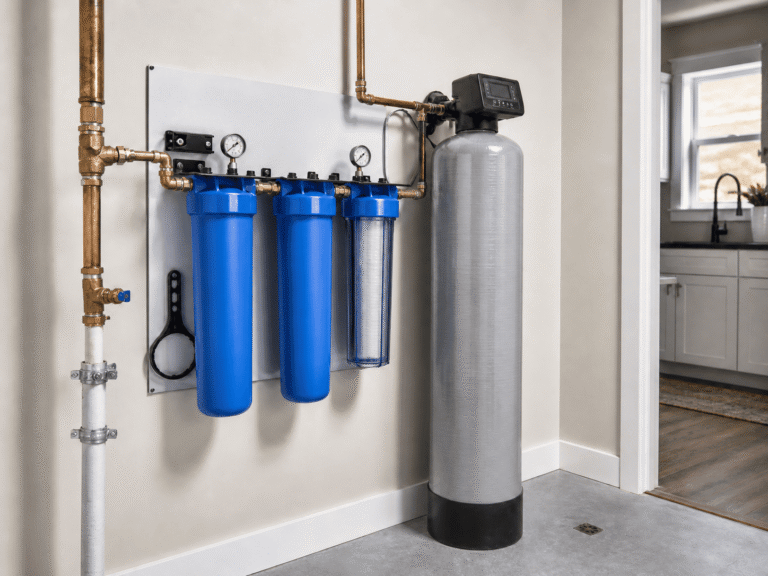
For homes experiencing several of these issues, water softeners & filtration can offer a more complete approach. The important thing is not to assume every household needs both. The right combination depends on the source and quality of the water.
Think Beyond Drinking Water
Clean drinking water is obviously important, but your home’s water quality affects much more than what’s coming out of the kitchen faucet.
Consider your shower. Water containing high levels of certain minerals can affect how soap and shampoo rinse away. Hard water can also leave deposits on showerheads and glass. Then there are appliances such as washing machines, dishwashers, coffee makers, and water heaters, all of which interact with your home’s water supply regularly.
This is where whole-home treatment can make sense for some households. Instead of treating water only at one faucet, a whole-house system can address water as it enters the property.
Still, there’s no universal answer. A family concerned mainly about drinking-water taste may be perfectly happy with a point-of-use solution. Another household dealing with significant hardness throughout the home may need a broader strategy.
It’s less about having the biggest system and more about having the appropriate one.
Pay Attention to Filtration Technology
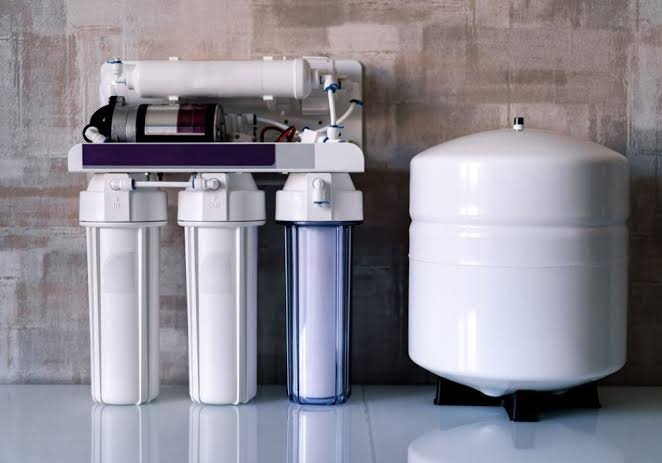
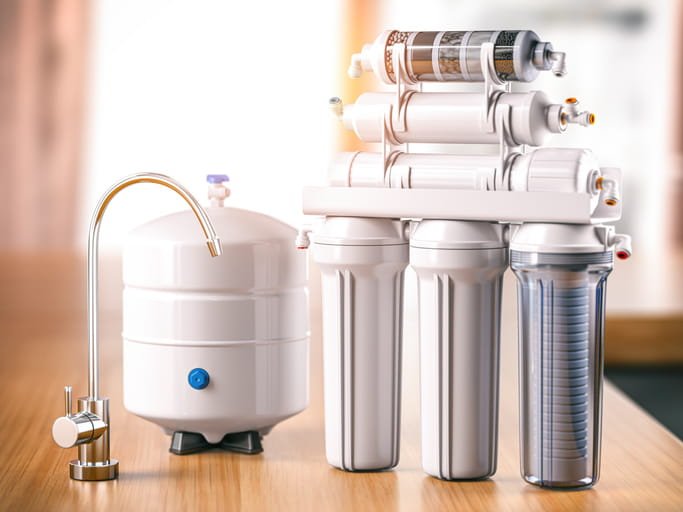
Not every filter works in the same way, either. Activated carbon, for instance, is widely used to improve taste and odor and can reduce certain contaminants. Sediment filters are useful for trapping particles such as sand, rust, or dirt. Reverse osmosis systems use a semipermeable membrane and can address a different range of dissolved substances.
Some systems combine multiple stages. That can be useful when water has more than one issue, but more stages don’t automatically mean better water. A complicated system that isn’t suited to your water can become an expensive exercise with little practical benefit.
Look at what the manufacturer says the system is certified or tested to reduce. Be skeptical of vague claims. A reputable water treatment professional should also be able to explain what a particular technology does—and what it doesn’t do—in plain English.
Don’t Forget Maintenance
This part isn’t glamorous, but it matters.
A water filtration system is only useful when it is maintained properly. Filters eventually become saturated or clogged. Membranes need attention. Water softeners require appropriate servicing and, depending on the system, regular replenishment of salt or other treatment materials.
Neglecting maintenance can reduce performance and may even create avoidable problems.
Before purchasing anything, ask a few practical questions:
- How often do filters need replacement?
- What does routine maintenance involve?
- Are replacement parts readily available?
- What are the expected annual operating costs?
- Who can service the system if something goes wrong?
The initial price is only one part of the picture. A slightly more expensive system that is dependable, serviceable, and affordable to maintain may prove cheaper over its lifetime.
Choosing a Trusted Water Filtration Provider
The water treatment industry includes plenty of options, from simple countertop filters to professionally installed whole-home systems. Established brands can provide useful product information and documented performance specifications.
For homeowners considering official brita pro® water filtration systems, it’s worth looking at the specific application, installation requirements, and service options rather than choosing based on brand recognition alone.
A professional assessment can also help identify whether a system is appropriately sized for your household. Water usage varies dramatically between a single-person apartment and a large family home, and the treatment equipment needs to keep up.
A good provider shouldn’t pressure you into buying the most expensive option. They should ask questions, explain the findings from water testing, and make recommendations that actually fit your situation.
Better Water Is Usually About Better Decisions
Water treatment doesn’t have to be mysterious or overwhelming. Start with the basics: understand your water source, identify the problems you actually have, and learn which technologies are designed to address them.
Sometimes the answer is a simple filter. Sometimes it’s a softener. In other cases, a combination of treatment methods makes more sense. And occasionally, testing reveals that the water is already in good shape and doesn’t require a major investment at all.
That’s the encouraging part. You don’t have to guess.
The best water treatment decision is rarely the one with the longest feature list. It’s the one that solves a real household problem, fits your water conditions, and continues doing its job without becoming a headache. Clean, pleasant water should feel like a quiet improvement to everyday life—not another complicated thing on your to-do list.