Choosing the Right Water Treatment Approach for a Healthier Home and Community
Clean water is one of those things most people don’t think about until something seems off. Maybe the water suddenly tastes strange. There’s a cloudy appearance in a glass, a stubborn white buildup around faucets, or an unpleasant smell that wasn’t there before. These little signs can make you wonder what’s actually coming through the tap.
For homeowners and businesses, water quality isn’t simply about having water that looks clean. Different water sources can contain minerals, sediment, bacteria, chemicals, or other contaminants that affect taste, plumbing, appliances, and everyday comfort. That’s where a properly selected water treatment system can make a real difference.
Understanding What’s Really in Your Water
Every water supply has its own characteristics. Municipal water is treated before reaching homes, but that doesn’t mean every household receives water with exactly the same quality. Aging pipes, local conditions, seasonal changes, and the condition of a building’s plumbing can all influence what comes out of the faucet.
Private wells have their own challenges. Well water may contain excess iron, manganese, hardness, sediment, or naturally occurring minerals. In some situations, there may also be concerns about microorganisms or other contaminants.
The first step, therefore, isn’t buying the most expensive filter you can find. It’s understanding the problem. A water test can provide useful information about what needs attention and what doesn’t. That simple step can prevent people from spending money on equipment that isn’t actually suited to their water.
Finding Water Treatment Systems That Fit Local Needs
When residents start researching Water Treatment Systems in Lancaster, PA, they’ll quickly discover there’s no universal solution. Water treatment can involve several different technologies, and each one has a specific job.
Water softeners, for example, are commonly used to reduce hardness caused by calcium and magnesium. Hard water isn’t usually an emergency health concern, but it can leave scale on fixtures, reduce the efficiency of water heaters, and make soaps less effective. Over time, that buildup can become a real nuisance.
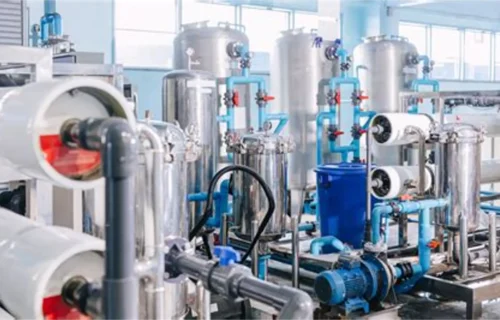
Filtration systems work differently. Depending on the filter technology, they can reduce sediment, chlorine, certain chemicals, odors, and other unwanted substances. Reverse osmosis systems are another option, particularly when homeowners want additional treatment for drinking and cooking water.
The key is matching the equipment to the actual water conditions. More filtration isn’t automatically better. In fact, installing the wrong system can create unnecessary maintenance and expense.
Why Water Quality Matters to Businesses, Too
Water quality isn’t only a residential concern. Restaurants, offices, schools, healthcare facilities, manufacturers, and other businesses depend on reliable water every day.
For a restaurant, for instance, water affects cooking, beverages, cleaning, ice production, and equipment. Hard water can create scale inside expensive appliances. Unpleasant odors or tastes can also affect the customer experience. Nobody wants to order a fresh cup of coffee and wonder why the water tastes strange.
That’s why Clean Water for Chester County Residents & Businesses involves more than simply putting a basic filter under a kitchen sink. Commercial properties often need systems designed around their water volume, equipment, usage patterns, and operational requirements.
A good treatment strategy can protect equipment while making daily operations easier. It can also reduce the frustration that comes from repeatedly dealing with scale, sediment, odors, or other water-related problems.
Don’t Forget About Maintenance
Even a high-quality treatment system needs attention. Filters eventually become saturated. Softener components may need servicing. Tanks, membranes, valves, and other parts can wear out or require inspection.
This is one area where people sometimes cut corners. They install a system and assume the job is finished forever. It isn’t.
Regular maintenance helps the equipment continue working as intended. It can also identify small problems before they turn into expensive repairs. A filter that should have been replaced months ago, for example, may not be doing much filtering anymore.
Keeping a simple maintenance schedule can make things easier. Mark replacement dates on a calendar, pay attention to changes in water taste or pressure, and have the system checked when something doesn’t seem right.
A Practical Approach Saves Money
Water treatment doesn’t have to become an overwhelming home-improvement project. Start with the basics: test the water, identify the specific concern, understand your usage, and then compare treatment options.
A household with mildly hard water may need something very different from a business dealing with high sediment levels or specialized equipment. Budget matters, too, but it shouldn’t be the only deciding factor. Installation requirements, replacement parts, energy use, maintenance, and expected system life all contribute to the real cost.
It’s also worth asking questions before purchasing. How often does the system require service? What happens when a filter reaches capacity? Is professional installation recommended? Are replacement components readily available? These aren’t glamorous questions, admittedly, but they can save headaches later.
Professional Guidance Can Make the Difference
With so many treatment products available, choosing between them can feel like comparing a dozen unfamiliar tools. This is where expert solutions can be especially helpful.
A knowledgeable water treatment professional can look at test results, understand the property’s water usage, and recommend equipment based on actual needs rather than making a generic recommendation. That’s valuable because water problems can look surprisingly similar while requiring completely different treatments.
Professional guidance can also help with installation. A system that isn’t sized correctly or installed properly may perform poorly, even if the technology itself is excellent.
Better Water Starts With Better Decisions
Water treatment is ultimately about more than buying equipment. It’s about understanding the water you use every day and taking practical steps to improve its quality where necessary.
For homeowners, that might mean reducing hard-water scale or improving drinking water. For businesses, it could mean protecting equipment, maintaining consistent operations, or providing better water for customers and employees.
There’s no need to chase the newest gadget or assume the biggest system is the best one. Start with testing, understand the problem, choose the appropriate technology, and keep up with maintenance. Sometimes the smartest solution is also the simplest one.
After all, clean water should feel ordinary. When the right treatment approach is in place, you can turn on the tap, fill a glass, and get on with your day without giving the water another thought. And honestly, that’s probably exactly how it should be.