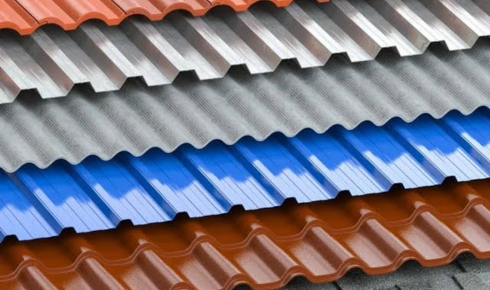
Signs You Need a New Roof: Don’t Wait Too Long
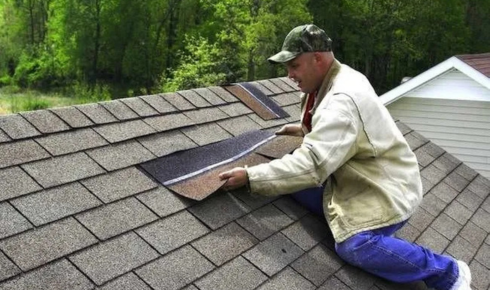
Ignoring your roof’s condition can lead to expensive repairs, water damage, and even structural issues down the line. Knowing the signs you need a new roof early can save you thousands in unexpected repair costs.
Many homeowners in India put off roof inspections until a major leak forces their hand, especially during monsoon season. By then, the damage is often more extensive—and more expensive—than it needed to be.
This guide covers the clearest warning signals that your roof needs attention, whether it’s minor repairs or a complete replacement, so you can act before a small issue turns into a costly disaster.
(Internal link suggestion: link to “Common Plumbing Problems and How to Fix Them Yourself”)
1. Age of the Roof
One of the most overlooked signs you need a new roof is simply how old it is. Most roofing materials have a defined lifespan, after which performance declines significantly.
Typical roof lifespans:
- Concrete flat roofs: 20-30 years with proper maintenance
- Asphalt shingles: 15-20 years
- Metal roofing: 30-50 years
- Clay or terracotta tiles: 40-50 years, common in older Indian homes
If your roof is approaching or has surpassed its expected lifespan, it’s wise to start budgeting for replacement even if visible damage isn’t obvious yet.
2. Visible Leaks and Water Stains
Water stains on your ceiling are among the most obvious signs you need a new roof, especially if they appear repeatedly in the same location.
What to look for:
- Brown or yellow stains spreading across ceiling corners.
- Peeling paint or bubbling on interior walls near the roofline.
- Musty odors indicating trapped moisture within the structure.
- Water dripping during or after heavy rainfall.
While a single leak might be fixable with a patch, recurring leaks in multiple spots often indicate the roofing material has deteriorated beyond simple repair.
3. Cracked, Curling, or Missing Roof Tiles
Physical damage to roofing tiles or shingles is a clear visual indicator among the signs you need a new roof, particularly after storms or extreme weather.
Common damage patterns:
- Cracked or broken tiles allowing water seepage
- Curling edges on shingles, indicating age-related wear
- Missing tiles leaving exposed gaps in roof coverage
- Granule loss on asphalt shingles, visible as gritty debris in gutters
Regularly inspecting your roof after monsoon season or major storms helps catch this damage early before it worsens.
4. Sagging Roof Deck
A sagging or drooping roofline is one of the more serious signs you need a new roof, often indicating structural damage beneath the surface.
Why this happens:
- Prolonged water damage weakening the roof’s support structure
- Excessive weight from accumulated debris or standing water
- Deteriorated underlying materials losing structural integrity
- Poor original construction or inadequate support beams
If you notice any visible sagging, it’s important to have a structural engineer or roofing professional inspect the property immediately, as this can pose safety risks.
5. Increased Energy Bills
A less obvious but important sign is a sudden or gradual increase in your electricity bills, particularly cooling costs during summer months.
How roofing affects energy efficiency:
- Damaged or aging roofs lose insulating properties over time.
- Poor ventilation beneath the roof allows heat to build up indoors.
- Gaps or cracks let conditioned air escape more easily.
- Reflective roof coatings, if damaged, reduce heat-blocking effectiveness.
If your energy bills have crept up without any change in usage habits, your roof’s declining condition could be a contributing factor.
6. Mold, Algae, or Moss Growth
Excessive growth of mold, algae, or moss on your roof surface is both a cosmetic and functional warning sign that shouldn’t be ignored.
Why this matters:
- Indicates trapped moisture that isn’t draining properly.
- Can accelerate material degradation over time.
- May signal poor roof ventilation or drainage design.
- Creates slippery surfaces, posing safety hazards during maintenance.
In humid Indian climates, especially coastal regions, this growth can appear faster than in drier areas, making regular cleaning and inspection even more important.
7. Daylight Visible Through Roof Boards
If you can see daylight coming through your attic or roof boards, this is one of the most definitive signs you need a new roof rather than just minor repairs.
What this indicates:
- Significant gaps or holes in the roofing material
- Potential for water, pests, and debris entering the structure
- Compromised structural integrity in the affected area
- Higher risk of sudden collapse in severe cases
This issue requires immediate professional attention, as it often signals more extensive damage than what’s visible from outside.
8. Frequent, Recurring Repairs
If you find yourself calling a roofing contractor multiple times a year for patch repairs, this pattern itself is one of the clearest signs you need a new roof altogether.
Cost comparison to consider:
- Multiple small repairs often add up to more than a full replacement over time.
- Recurring issues suggest the underlying material has reached end-of-life.
- Constant repairs disrupt daily life and create ongoing stress.
- A new roof offers long-term reliability compared to patchwork fixes.
At a certain point, investing in full replacement becomes more economical and practical than continuing temporary fixes.
(Internal link suggestion: link to “First Time Home Buyer’s Guide: Mistakes to Avoid”)
Frequently Asked Questions
1. What are the most common signs you need a new roof? The most common signs you need a new roof include persistent leaks, cracked or missing tiles, sagging areas, and visible daylight through roof boards.
2. How often should I get my roof inspected? Most experts recommend inspecting your roof at least once a year, ideally before monsoon season, and after any major storm.
3. Can I repair my roof instead of replacing it entirely? Minor, isolated damage can often be repaired, but widespread or recurring issues usually indicate replacement is more cost-effective long-term.
4. How much does a roof replacement typically cost in India? Costs vary significantly based on roofing material, size, and location, so it’s best to get quotes from multiple local contractors for accurate estimates.
5. Does roof age alone mean I need a replacement? Not necessarily, but roofs nearing or exceeding their expected lifespan should be inspected more closely for underlying wear, even without visible damage.
6. Can a damaged roof affect my home’s structural safety? Yes, prolonged neglect of roof damage, especially sagging or water infiltration, can eventually compromise structural integrity and pose safety risks.
Conclusion
Recognizing the signs you need a new roof early can save you from costly emergency repairs, structural damage, and safety hazards down the line. From visible leaks and cracked tiles to sagging areas and rising energy bills, these warning signs shouldn’t be ignored.
Regular roof inspections, especially before monsoon season, go a long way in catching problems while they’re still manageable and affordable to fix.
If you’ve noticed any of these warning signs on your own roof, don’t wait for the situation to worsen—schedule a professional roof inspection today to get an accurate assessment and plan your next steps.
Suggested Image Alt Texts:
- “Water stains on ceiling indicating roof leak damage”
- “Cracked and missing roof tiles after monsoon storm damage”
- “Roofing contractor inspecting sagging roof structure for replacement”