Choosing from the many types of roofing materials available today can feel overwhelming, especially when you’re trying to balance cost, durability, and climate suitability. The right choice can protect your home for decades, while the wrong one may lead to frequent repairs and higher expenses.
Every roofing material comes with its own set of advantages and trade-offs, from budget-friendly options to premium, long-lasting choices. Factors like local climate, budget, and architectural style all play a role in making the right decision.
This guide breaks down the most popular types of roofing materials used in Indian homes today, helping you understand which option best suits your specific needs and location.
(Internal link suggestion: link to “Signs You Need a New Roof: Don’t Wait Too Long”)
1. Clay and Terracotta Tiles
Clay and terracotta tiles are among the most traditional types of roofing materials used across Indian homes, particularly in southern and coastal regions.
Key advantages:
- Naturally resistant to heat, keeping interiors cooler in summer
- Long lifespan of 40-50 years with proper maintenance
- Eco-friendly and made from natural materials
- Aesthetic appeal that suits traditional and heritage-style homes
Considerations:
- Heavier weight requires stronger structural support
- More fragile compared to modern alternatives, prone to cracking
- Higher installation cost due to specialized labor requirements
2. Concrete Roofing (RCC Slabs)
Reinforced cement concrete (RCC) slabs are perhaps the most common type of roofing material in urban Indian construction today.
Why RCC is popular:
- Extremely durable, lasting 30+ years with minimal maintenance.
- Provides excellent structural strength and fire resistance.
- Allows for flat roof designs, useful for additional utility space.
- Widely available labor and materials across India, keeping costs manageable.
Drawbacks to consider:
- Poor natural insulation, leading to heat absorption in summer
- Requires waterproofing treatment to prevent leaks and seepage
- Heavier construction demands stronger foundational support
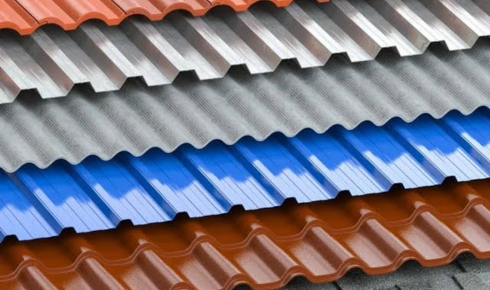
3. Metal Roofing (Galvanized Iron/Steel Sheets)
Among modern types of roofing materials, metal roofing has gained popularity for both residential and industrial applications due to its durability and speed of installation.
Benefits of metal roofing:
- Lightweight compared to concrete or tile options
- Highly durable, often lasting 30-50 years
- Resistant to pests, rot, and fire hazards
- Faster installation compared to traditional masonry roofing
Potential downsides:
- Can be noisy during heavy rainfall without proper insulation
- May require additional insulation to manage heat absorption
- Prone to rust over time if not properly coated or maintained
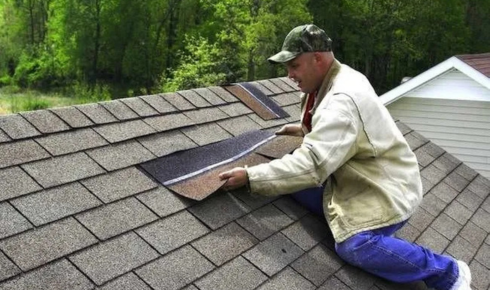
4. Asphalt Shingles
While more common in Western countries, asphalt shingles are gradually gaining traction among types of roofing materials used in Indian residential projects, particularly in hill stations and cooler climates.
Advantages:
- Relatively affordable compared to premium roofing options
- Available in various colors and styles for aesthetic flexibility
- Lightweight, reducing structural load requirements
- Easier and quicker installation process
Limitations:
- Shorter lifespan (15-20 years) compared to tile or metal options
- Less suitable for extremely hot or high-UV climates common in much of India
- Requires proper ventilation to prevent heat damage over time
5. Slate Roofing
Slate is a premium natural stone option among types of roofing materials, known for its exceptional durability and elegant appearance.
Why choose slate:
- Extremely long lifespan, often exceeding 75-100 years
- Naturally fire-resistant and weatherproof
- Distinctive, upscale aesthetic appeal
- Low maintenance requirements once properly installed
Factors to weigh:
- Significantly higher upfront cost compared to other materials
- Heavy weight requires robust structural support
- Limited availability and specialized installation expertise needed
6. Fiber Cement and Composite Roofing
Fiber cement sheets and composite roofing materials offer a modern, cost-effective alternative among types of roofing materials, especially for budget-conscious homeowners.
Key benefits:
- More affordable than natural tile or slate options
- Resistant to termites, rot, and fire damage
- Lightweight, reducing structural stress on buildings
- Available in various textures mimicking wood or tile aesthetics
Things to keep in mind:
- Lifespan typically shorter than premium natural materials (20-30 years)
- Quality varies significantly between manufacturers, so research matters
- May require periodic sealant reapplication for optimal weather resistance
7. Polycarbonate and Solar Roofing Sheets
For specific applications like balconies, car porches, or eco-conscious homes, polycarbonate and solar roofing sheets represent innovative types of roofing materials worth considering.
Notable advantages:
- Polycarbonate sheets are lightweight and allow natural light transmission.
- Solar roofing integrates energy generation directly into the roof structure.
- Both options support sustainable, energy-efficient building designs.
- Increasingly popular for hybrid roofing applications in modern Indian homes.
Considerations:
- Higher initial investment, particularly for solar roofing systems
- Polycarbonate sheets may yellow or degrade with prolonged UV exposure
- Professional installation is essential for solar roofing to ensure efficiency
(Internal link suggestion: link to “First Time Home Buyer’s Guide: Mistakes to Avoid”)
8. Choosing Based on Climate and Region
Selecting from the various types of roofing materials should always factor in your specific regional climate conditions across India’s diverse geography.
Climate-based recommendations:
- Coastal and humid regions: Metal roofing with anti-corrosive coating or clay tiles work well.
- Hot, dry regions: RCC slabs with proper insulation and reflective coatings help manage heat.
- Hilly and cooler climates: Asphalt shingles or slate roofing suit lower humidity conditions.
- Heavy monsoon areas: Steep-sloped metal or tile roofing ensures better water runoff.
Consulting a local architect or roofing contractor familiar with your specific region can help fine-tune material selection for optimal performance.
Frequently Asked Questions
1. Which type of roofing material is best for hot climates? RCC slabs with proper insulation, or clay tiles known for natural heat resistance, are among the best types of roofing materials for hot Indian climates.
2. What is the most durable roofing material available? Slate roofing offers the longest lifespan among types of roofing materials, often lasting 75-100 years with minimal maintenance.
3. Is metal roofing a good option for residential homes in India? Yes, metal roofing is lightweight, durable, and increasingly popular for residential use, though proper insulation helps manage heat and noise.
4. How do I choose the right roofing material for my budget? Compare upfront costs against long-term durability and maintenance needs—fiber cement and RCC often provide good value for budget-conscious buyers.
5. Which roofing material requires the least maintenance? Slate and concrete roofing generally require the least maintenance among common types of roofing materials, though periodic inspections are still recommended.
6. Can I combine different roofing materials on the same structure? Yes, hybrid roofing designs combining materials like solar panels with traditional RCC or metal sections are increasingly common in modern Indian construction.
Conclusion
Understanding the different types of roofing materials available helps you make an informed decision that balances cost, durability, and climate suitability. From traditional clay tiles to modern metal and solar roofing options, each material offers distinct advantages depending on your specific needs.
Since roofing is a long-term investment affecting both comfort and home value, take time to consult with local professionals who understand your region’s climate and construction requirements.
Ready to choose your roofing material? Evaluate your budget, climate, and structural needs using this guide, and consult a trusted roofing contractor to finalize the best option for your home.
Suggested Image Alt Texts:
- “Traditional clay terracotta roof tiles on an Indian home”
- “Metal roofing sheets installed on a modern residential building”
- “Comparison of different roofing materials including slate and concrete”