Why Better Water Filtration Matters More Than You Think
Clean water is something most people expect to have every day. We turn on the tap, fill a glass, cook dinner, shower, and move on with our routine. But water can carry more than we realize, especially when it travels through aging pipes or comes from a supply with naturally occurring minerals and other unwanted substances. That’s why understanding your home’s water quality is worth a little attention.
Good filtration isn’t only about making water taste better. It can also improve the overall quality of the water used throughout your home. From drinking and cooking to bathing and cleaning, the right approach can make everyday water feel noticeably fresher.
Understanding What May Be in Your Water
Tap water goes through treatment before reaching your home, but that doesn’t necessarily mean every water-related concern disappears. Depending on where you live, your water may contain minerals, sediment, chlorine, microorganisms, or trace substances that affect its taste, smell, appearance, or usefulness.
One common concern is hard water, which contains higher levels of minerals such as calcium and magnesium. It isn’t usually considered a major health concern, but it can be frustrating around the house. Those white spots on faucets, cloudy shower doors, and stubborn buildup are often signs that mineral-rich water is taking its toll.
Over time, mineral deposits can accumulate inside water heaters, dishwashers, washing machines, coffee makers, and plumbing fixtures. You may find yourself cleaning more often or replacing appliances sooner than expected. It’s one of those household problems that’s easy to ignore until it becomes expensive.
Why Water Quality Affects Everyday Life
Water quality isn’t just about what’s in your drinking glass. Think about how much water your household uses each day. You wash your face with it, shower in it, prepare food with it, wash clothes, clean dishes, and fill pets’ bowls.
When water contains unwanted substances, those activities can be affected in small but noticeable ways. Some people dislike the smell of chlorinated water, while others notice an unusual taste. Sediment may leave particles behind, and certain minerals can make soap less effective.
Then there are contaminants that may enter water through environmental sources, plumbing systems, or other pathways. Their presence and type can vary significantly depending on the local water supply. That’s why a water quality test can be a useful starting point before choosing a filtration solution.
Choosing the Right Filtration Approach
Not every home has the same water problem, so there isn’t one filtration method that works perfectly for everyone. Some households may need a simple filter for drinking water, while others may benefit from treatment that covers multiple areas of the home.
A point-of-use filter, for example, typically treats water at a specific faucet. It’s convenient when drinking water is the main concern. But if you want cleaner water from showers, bathroom sinks, kitchen taps, and other fixtures, a broader solution may make more sense.
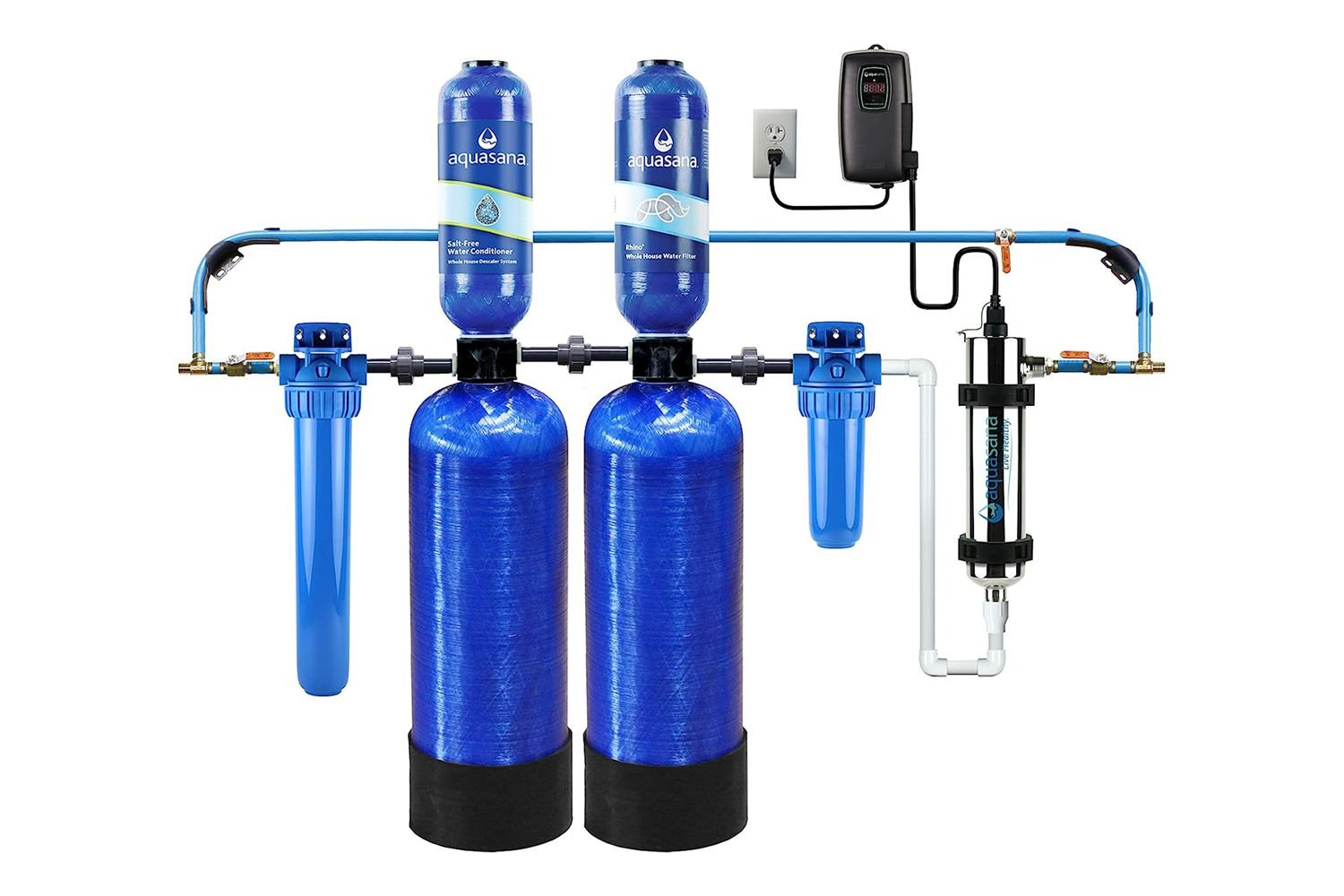
This is where a whole-home water filtration system can be particularly useful. Instead of treating water only after it reaches a specific faucet, the system is designed to filter water as it enters the home. That means filtered water can be available throughout the plumbing network.
The Benefits Go Beyond Drinking Water
One of the biggest advantages of comprehensive filtration is convenience. You don’t have to think about which faucet has a filter and which doesn’t. The treatment happens as part of the home’s water supply.
Filtered water can also make household chores more pleasant. Depending on the system and the specific water issue, filtration may help reduce unpleasant odors, improve taste, and minimize certain forms of sediment or unwanted substances.
However, it’s important to understand that filtration systems have different capabilities. A carbon filter, softener, reverse osmosis system, and specialty treatment unit don’t all remove the same things. Choosing equipment simply because it has impressive specifications isn’t necessarily the best approach.
Start With a Water Test
Before spending money on equipment, find out what you’re actually dealing with. A professional water test can identify characteristics such as hardness, pH, mineral content, and certain contaminants.
If your home uses municipal water, reviewing the local water quality report can also provide useful background information. Private well owners may need regular testing because well water quality can change with environmental conditions and other factors.
Once you know the problem, the solution becomes much clearer. You might discover that you need filtration, water softening, or a combination of treatments. Sometimes a relatively simple adjustment is enough.
Don’t Forget Maintenance
Even a high-quality filtration system needs attention. Filters eventually become saturated, components can wear out, and systems need periodic inspection to keep working properly.
Ignoring maintenance can reduce performance, and in some cases, create another water-quality concern. Replacement schedules vary according to the type of filter, household water use, and manufacturer’s recommendations. Keeping a simple reminder on your phone or calendar can prevent the job from being forgotten.
It’s also worth checking for leaks around the system from time to time. A small drip might not seem serious, but water damage has a way of becoming expensive when left unattended.
A Small Upgrade With a Daily Impact
Water is so deeply woven into everyday life that we rarely stop to think about it. Yet improving its quality can make a surprisingly noticeable difference. Better-tasting drinking water, fewer mineral deposits, and cleaner-feeling water throughout the house can all contribute to a more comfortable home.
The key is not to buy the biggest or most expensive filtration system you can find. Start by understanding your water, identify the specific issues, and choose a treatment method designed for those needs.
In the end, good water filtration is less about chasing perfection and more about making a smart, informed improvement to something your household depends on every single day.