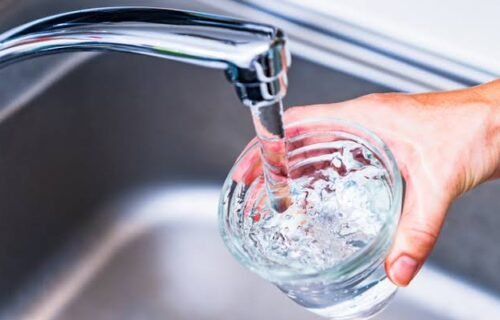
Why Your Water Might Be Working Against You (And What Actually Fixes It)
I used to think water was just… water. Turn the tap, fill the glass, move on with your life. Then I moved into a house with genuinely awful well water — the kind that leaves orange rings in the toilet bowl and makes your hair feel like straw after a shower — and honestly, it changed how I think about the stuff that comes out of my faucet entirely.
If you’ve ever dealt with stiff towels, spotty dishes, or that weird film on your skin after a shower, you already know what I’m talking about. Hard water isn’t dangerous, exactly, but it’s annoying in a hundred small ways that add up over time.
The Hard Water Problem Nobody Warns You About
Here’s the thing about hard water — it’s loaded with dissolved minerals, mostly calcium and magnesium, and while your body doesn’t really mind them, your plumbing sure does. Over months and years, those minerals build up inside pipes, water heaters, and appliances. Your dishwasher works harder. Your coffee maker dies sooner than it should. Even your soap refuses to lather properly, which, if you’ve ever tried to wash dishes in hard water, is a special kind of frustrating.
This is where water softening systems come into the picture. They work through a process called ion exchange, basically swapping out calcium and magnesium ions for sodium ones, which sounds a little sciencey but is actually pretty straightforward in practice. The result? Water that lathers better, appliances that last longer, and — I’ll admit I was skeptical about this one — noticeably softer skin and hair. My spouse rolled her eyes when I first brought home a softener, and now she’s the one reminding me to check the salt levels.
But Softening Isn’t the Whole Story
Softening water solves the mineral problem, sure, but it doesn’t necessarily deal with everything else lurking in your supply — chlorine taste, sediment, rust particles, whatever your local municipality decided was fine to leave in there. That’s a separate issue, and it’s one a lot of people confuse with softening, understandably.
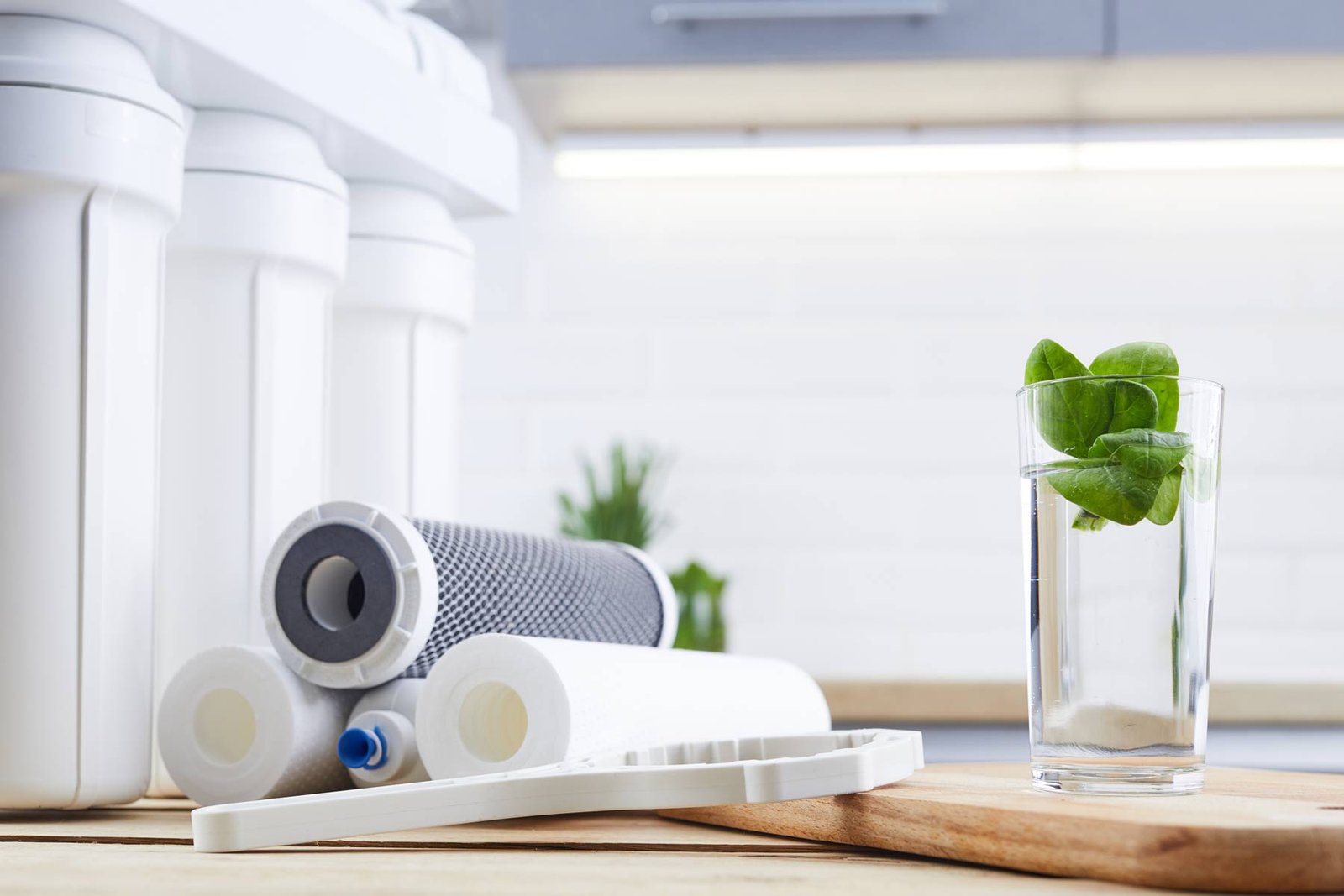
This is where water filtration systems earn their keep. Unlike softeners, which target hardness specifically, filtration is about pulling out contaminants, odors, and particles that affect taste and safety. Some setups use activated carbon, others use sediment filters or a combination of stages. I remember the first time I installed a basic carbon filter under my kitchen sink — the difference in how the water tasted was almost embarrassing, like I’d been drinking slightly-off water for years without noticing. Which, honestly, I probably had.
A lot of homeowners end up needing both, actually. A softener handles the mineral side of things, a filtration system handles taste and contaminants, and together they cover most of what a typical household deals with. It’s not an either-or situation, even though it’s marketed that way sometimes.
When You Want the Really Clean Stuff
Now, if you’re someone who’s particular about drinking water — and I say this as someone who became weirdly particular about it after that well-water house — there’s another tier worth knowing about. Reverse osmosis drinking water systems push water through a semi-permeable membrane that filters out contaminants at a microscopic level, things like lead, arsenic, and various dissolved solids that standard filters just aren’t built to catch.
These systems are usually installed under the sink, dedicated to a single tap, and they’re a bit more of an investment upfront. But if you’ve ever tasted reverse osmosis water next to regular tap water side by side, the difference is kind of startling. It’s cleaner, crisper, almost weightless somehow — I know that sounds dramatic for describing water, but it’s true. A lot of people who switch say they can’t go back to bottled water either, which makes sense when you think about the cost of buying cases of it every month.
So Which One Do You Actually Need?
Honestly? It depends on your water. I’d suggest getting a water test first — most local suppliers or hardware stores offer basic testing, and some plumbing companies will do it for free if they think you’ll buy their equipment afterward (which, fair enough, that’s how sales works). If your water’s hard, a softener is non-negotiable. If it smells off or tastes weird, filtration handles that. And if you want the cleanest possible drinking water specifically, reverse osmosis is worth the extra step.
I ended up installing all three in my house, staggered over about a year because, well, budgets are real. Was it worth it? Honestly, yes. My skin’s better, my appliances are lasting longer, and I don’t think twice about drinking straight from the tap anymore. That’s not nothing.
Water quality is one of those things you don’t think about until it’s bad, and then you can’t stop thinking about it. If you’re on the fence, start small — a filter under the sink, maybe — and build from there. Your pipes, your skin, and honestly your morning coffee will probably thank you.