A Better-Looking Home Starts Outside: Smart Remodeling Choices That Last
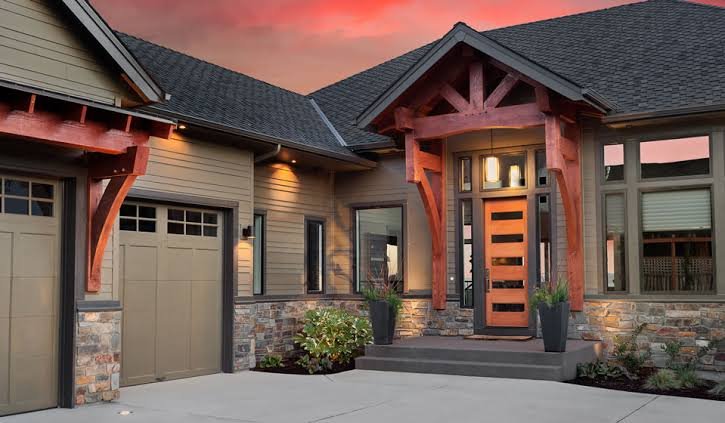
There’s something satisfying about coming home and liking what you see before you even open the front door. The color feels right. The roof looks solid. The walls don’t look tired or weather-beaten. Maybe it’s a small change, or maybe the whole exterior has been refreshed. Either way, a home’s outside appearance can quietly shape how the entire property feels.
That’s one reason homeowners invest in exterior remodeling services. It’s not only about making a house look newer. Exterior improvements can protect the structure from weather, improve energy efficiency, reduce maintenance headaches, and potentially add value over time. But knowing where to spend money isn’t always obvious. A beautiful finish is great, but it means little if water is getting behind the walls or the roof is nearing the end of its life.
The smartest approach is to think about appearance and performance together.
Start With What Your Home Actually Needs
Before choosing paint colors, materials, or decorative details, walk around the property and look closely. This sounds basic, but it can reveal quite a lot.
Check for cracked or warped materials, loose trim, staining, peeling paint, damaged gutters, missing shingles, soft areas around windows, and signs of moisture. Pay attention to places where different materials meet. Those joints can become problem areas when they’re poorly sealed.
It’s also worth considering the age of major exterior components. If your roof is old and your siding is beginning to fail, simply repainting everything may give you a temporary facelift without addressing the underlying issues.
A good remodeling project begins with a realistic assessment. Sometimes the best improvement is the one you don’t immediately notice — better flashing, improved drainage, stronger seals, or replacing damaged materials before they create bigger problems.
Choosing the Right Materials for the Exterior
Materials make a huge difference in how a home performs over the years. They also influence its character.
Modern siding comes in a wide range of styles, textures, and colors. Vinyl can be practical and relatively easy to maintain, while fiber cement offers a different combination of durability and appearance. Wood has a warm, classic look, although it generally demands more maintenance.
There isn’t one material that’s perfect for every property. Climate matters. So does the architectural style of the house, your maintenance tolerance, and your budget.
Think beyond the first impression. Ask how the material will handle intense sunlight, heavy rain, strong winds, humidity, or seasonal temperature changes. A slightly more expensive option may make sense if it lasts longer and requires less upkeep.
And don’t underestimate color. Neutral shades tend to age gracefully, but a carefully chosen accent around the front door, shutters, or trim can give a home some personality without making it look overdone.
Your Roof Deserves More Attention Than It Gets
People often notice a roof only when something goes wrong. A ceiling stain appears after a storm, a few shingles blow away, or suddenly there’s water where water definitely shouldn’t be.
That’s why roofing should be treated as a major part of exterior planning rather than an afterthought. A roof protects nearly everything underneath it, including insulation, framing, drywall, electrical components, and personal belongings.
When remodeling, look for signs of aging such as curled or missing shingles, excessive granule loss, damaged flashing, moss growth, sagging areas, or recurring leaks. Even if the roof looks acceptable from the ground, an inspection can uncover issues that aren’t easy to spot.
Replacing a roof is a significant investment, but delaying necessary work can become much more expensive. Water rarely limits itself to one small area. Once moisture gets where it shouldn’t, damage can spread quietly.
A practical remodeling plan should consider the roof’s remaining lifespan. There’s little sense in installing a beautiful new exterior and then having to disturb part of it a year later because the roof needs replacement.
Don’t Forget Windows, Doors, and Trim
A home can have beautiful walls and still look unfinished if the windows, doors, and trim are worn out.
Older windows may allow drafts, while poorly sealed doors can let conditioned air escape. Damaged trim can also allow moisture to reach areas that should remain protected.
Replacing every window isn’t always necessary. Sometimes caulking, weatherstripping, repainting, or repairing damaged trim can make a noticeable difference. Other times, replacement is the better long-term choice.
The front door deserves special consideration because it’s both practical and visual. A new door, fresh hardware, or even a thoughtful color can change the personality of the entrance surprisingly quickly.
It’s these smaller details that often make a remodeling project feel complete.
Think About Water Before You Think About Decoration
Rain is one of the biggest long-term challenges for any exterior. Water needs somewhere to go, and your home’s design should help it get there.
Gutters and downspouts should direct water away from the foundation. Roof valleys, flashing, window edges, and wall penetrations need proper protection. Grading around the house matters, too.
If water repeatedly collects near the foundation or runs down exterior walls, adding attractive finishes won’t solve the real problem.
This is where professional planning can save homeowners considerable frustration. A contractor can look at how different components interact instead of treating every issue as a separate repair.
Balance Curb Appeal With Long-Term Value
It’s tempting to choose everything based on appearance. After all, remodeling should make the house look better.
But the best projects usually combine curb appeal with practical improvements.
For example, replacing deteriorated materials can improve appearance while reducing maintenance. Better insulation beneath exterior materials may make indoor temperatures more comfortable. Improved windows can contribute to energy efficiency. Proper drainage can protect landscaping and foundations.
Budgeting helps keep those priorities in perspective. Make a list of urgent repairs, worthwhile upgrades, and purely cosmetic changes. Deal with structural or water-related concerns first. Then spend what remains on the features that make the home feel like yours.
You don’t have to remodel everything at once, either. Exterior projects can often be completed in stages, which makes the financial side a little easier to manage.
Work With the House, Not Against It
A successful remodel respects the original character of the property.
A traditional home may look better with materials and colors that suit its period. A modern house might benefit from clean lines and restrained finishes. The goal isn’t necessarily to make the house look trendy. Trends come and go rather quickly.
Instead, aim for choices that feel natural to the architecture and neighborhood while still reflecting your taste.
And yes, mistakes happen. A color may look different in afternoon sunlight. A material that looked perfect in a showroom may feel out of place once installed across an entire wall. That’s normal. Good planning reduces those surprises, but it doesn’t eliminate them completely.
The Best Exterior Improvements Are the Ones You Notice for Years
A home exterior doesn’t need to be extravagant to be impressive. Sometimes a clean roofline, fresh materials, repaired trim, better lighting, and a well-maintained entrance are enough to completely change the way a property feels.
More importantly, exterior remodeling is an opportunity to protect the home while making it more comfortable and enjoyable. When repairs, materials, design, and maintenance are considered together, the result tends to age much better.
So before jumping into the next big renovation idea, take a slow walk around your house. Look up. Look down. Check the corners, seams, windows, gutters, and roof. Notice what works and what clearly doesn’t.
A thoughtful exterior remodel isn’t just about creating a house that looks good today. It’s about creating a home that can handle tomorrow, too.