When a Damaged Water Line Becomes a Bigger Plumbing Problem
A Small Plumbing Issue Can Turn Into a Big Headache
Most plumbing problems don’t start with a dramatic flood. More often, it’s a strange sound behind the wall, a damp patch in the yard, low water pressure, or a utility bill that suddenly looks higher than usual. These little clues are easy to brush off, especially when everything else at home seems normal.
But a damaged water line can quietly worsen over time. What begins as a small leak may eventually affect walls, flooring, landscaping, or even the foundation around a property. That’s why paying attention to early warning signs can save both money and frustration.
Knowing what to look for and when to call a professional makes a real difference.
Signs Your Water Line May Be in Trouble
One of the clearest warning signs is unexplained water loss. If nobody has changed their water habits but the monthly bill keeps climbing, there could be a hidden leak somewhere in the plumbing system.
Low or inconsistent water pressure is another clue. A faucet that suddenly has weak flow may seem like a minor annoyance, but it can sometimes point to a leak, blockage, corrosion, or damage in the supply line.
You might also notice wet spots where they shouldn’t be. Water collecting in the yard when the weather has been dry is worth investigating. Indoors, stains on ceilings or walls, bubbling paint, warped flooring, and musty smells can all suggest that water is escaping somewhere behind the scenes.
Sometimes, you’ll even hear it. A faint hissing or running-water sound when every faucet and appliance is turned off shouldn’t be ignored.
Why Early Detection Matters
Plumbing leaks rarely improve by themselves. In fact, they tend to become more expensive the longer they remain unnoticed.
A small underground leak can gradually saturate soil around a home. Inside the property, hidden moisture can encourage mold growth and damage drywall, insulation, cabinets, and flooring. Even if the leak itself seems manageable, the surrounding damage may not be.
There’s also the issue of wasted water. A leak that releases only a small amount continuously can add up surprisingly fast over weeks or months.
That’s why homeowners shouldn’t wait for a major plumbing emergency before taking action. A professional inspection can often identify the source before the situation gets out of hand.
Understanding Water Line Replacement
When a pipe is severely cracked, corroded, collapsed, or repeatedly leaking, a repair may not always be the smartest long-term solution. In those situations, replacement can provide a more reliable answer.
Modern plumbing professionals have several methods available depending on the location and condition of the pipe. Traditional excavation may be necessary in some cases, while trenchless techniques can reduce disruption to driveways, landscaping, or other surfaces.
The right approach depends on factors such as pipe material, age, accessibility, soil conditions, and the extent of the damage. A good plumber should explain the options instead of simply recommending the most expensive one.
For homeowners, the goal isn’t just to stop today’s leak. It’s to create a plumbing system that performs reliably for years.
Don’t Ignore Changes in Water Pressure
Water pressure can tell you quite a bit about what’s happening inside a plumbing system.
If pressure suddenly drops throughout the house, there may be a problem with the main supply line. A localized pressure issue, on the other hand, could be caused by a clogged faucet aerator, fixture problem, or buildup in a particular pipe.
Sudden pressure changes deserve attention, especially when they happen alongside other symptoms such as damp areas, unusual noises, or unexplained increases in water usage.
It’s tempting to search for a quick DIY fix, and sometimes that works. But when the issue involves underground or hidden plumbing, guessing can make matters worse.
Sewer Problems Require a Different Approach
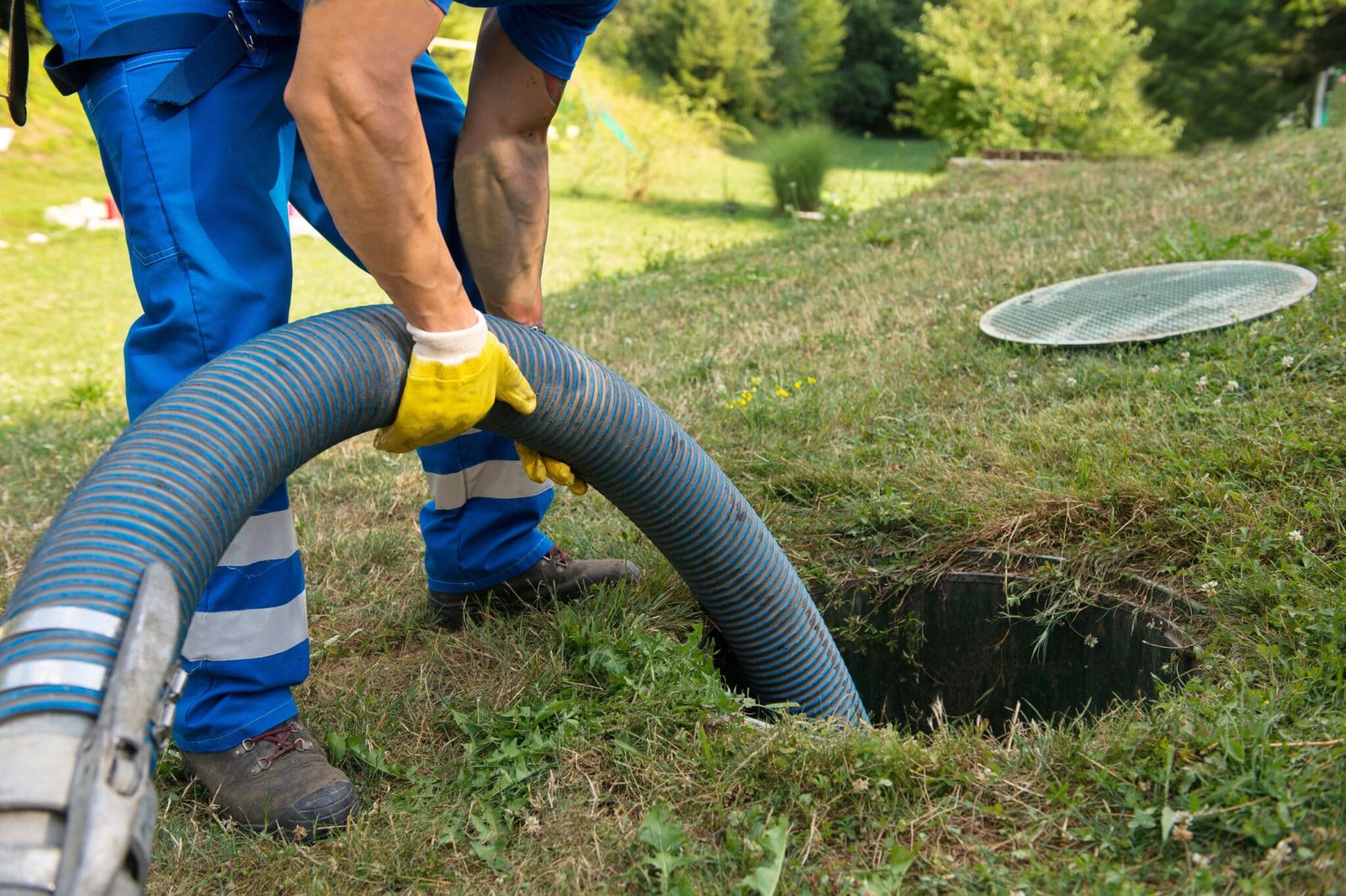
Water supply lines aren’t the only plumbing components that can create serious trouble. Drain and sewer systems can develop their own set of problems, including tree-root intrusion, cracked pipes, blockages, corrosion, and collapsed sections.
Slow drains throughout the house can be a warning sign that something bigger is happening. Sewage odors, repeated backups, unusually wet patches in the yard, or gurgling toilets should also be investigated.
Professional sewer repair often begins with an inspection to determine exactly where the problem is located. Camera inspections can be particularly useful because they allow technicians to see inside the pipe without immediately digging up large sections of a property.
That information helps determine whether cleaning, localized repair, or a larger replacement project makes sense.
Choosing the Right Plumbing Professional
Not every plumbing problem requires the same solution, so experience matters. Look for a licensed professional who takes the time to inspect the system and clearly explain what they find.
A trustworthy plumber should provide details about the cause of the problem, available repair options, expected disruption, and estimated costs. Be cautious of anyone who recommends major work without first identifying the actual source of the issue.
It’s also worth asking about warranties and whether the company handles both emergency repairs and planned plumbing projects. A reliable relationship with a plumbing professional can be valuable long before an emergency happens.
A Little Attention Goes a Long Way
Your plumbing system works quietly in the background every day. Because of that, it’s easy to forget about it until something goes wrong.
Still, unusual water bills, weak pressure, damp areas, strange sounds, slow drains, and sewer odors shouldn’t be treated as ordinary household quirks. They’re often the plumbing system’s way of asking for attention.
Catching a problem early can mean a straightforward repair instead of an expensive restoration project. And when a pipe has reached the end of its useful life, making the right decision about repair or replacement can protect the home for years to come.
In the end, good plumbing isn’t really about pipes and fittings. It’s about keeping your home dry, comfortable, and dependable — the way it should be.