There’s something wonderfully simple about turning on the kitchen tap and filling a glass of water. Most of us barely think about it. We drink it, cook with it, wash with it, make coffee, and send it flowing through our homes dozens of times a day. Water is just… there. Until one day it tastes strange, leaves white marks on the shower door, smells a little off, or starts making you wonder what exactly is coming through those pipes.
That’s when clean water stops being something we take for granted.
For many households, the search for better water begins with a small concern and gradually turns into a bigger question: What is actually in our water, and what can we do about it? The good news is that modern water treatment doesn’t have to be complicated or intimidating. With the right information and the right system, families can make thoughtful choices about the water they use every single day.
At its heart, the goal is pretty straightforward: Serving You With Clean, Heathy, Great-Tasting Water For Life means looking beyond a temporary fix and thinking about long-term water quality. A good water solution should fit the home, the local water conditions, and the needs of the people living there. There isn’t one magic filter that works perfectly for everyone, and honestly, that’s an important thing to understand.
Water Problems Aren’t Always Easy to See
One of the tricky things about water quality is that not every problem announces itself. Sometimes there are obvious clues. A metallic taste, unpleasant odor, cloudy water, orange staining, or crusty buildup around faucets can all suggest that something deserves attention.
But other issues aren’t quite so obvious.
Water may look perfectly clear and still contain minerals, dissolved substances, or other contaminants that homeowners would rather reduce or remove. This is why guessing based only on appearance can be a bit like diagnosing a car problem by looking at the paint. You might notice something, sure, but you probably won’t get the whole story.
Municipal water and private well water can also have very different characteristics. Even two homes located fairly close to each other may experience different water conditions because of plumbing, water sources, local geology, or treatment processes.
That’s why understanding your own water is always a better starting point than simply buying the first filtration system that pops up in an advertisement.
Start With a Clear Picture of What’s in Your Water
Before investing in equipment, it makes sense to learn what you’re dealing with. A Free Water Test can provide a useful starting point for homeowners who are concerned about taste, hardness, mineral content, or other noticeable changes in their water.
Testing is especially valuable when you’re moving into a new home, relying on well water, noticing stains around sinks and toilets, or dealing with an ongoing taste issue. Instead of assuming the problem is chlorine, iron, hardness, sediment, or something else entirely, testing can help narrow things down.
And that matters because different water problems often need different solutions.
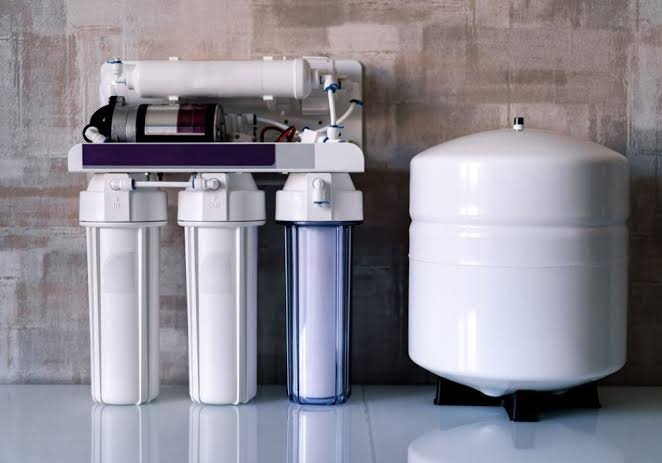
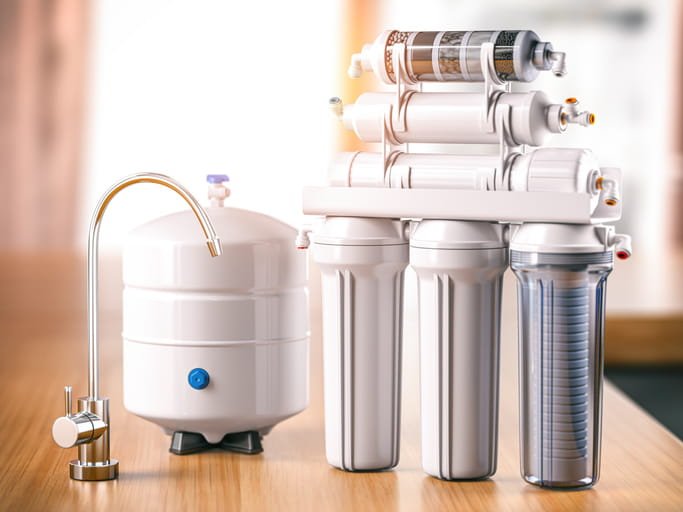
For example, sediment filtration may be useful where water contains visible particles. Reverse osmosis systems can address certain dissolved contaminants in drinking water. UV treatment may be considered for microbial concerns in appropriate situations. Other systems focus primarily on improving taste and odor.
The point isn’t to install everything imaginable. Nobody needs a basement that looks like a science laboratory. The goal is to choose treatment that makes sense for the actual water conditions and the household’s needs.
Hard Water Can Be Tougher Than It Looks
If you’ve ever spent a Saturday morning scrubbing white buildup from a shower door, you’re already familiar with one common water complaint: hardness.
Hard water usually contains elevated levels of minerals such as calcium and magnesium. While hard water isn’t necessarily obvious when you pour it into a glass, its effects can show up throughout the home. Soap may not lather as easily. Dishes can come out of the dishwasher with spots. Fixtures may develop scale, and appliances that use water regularly can accumulate mineral deposits over time.
This is where water softeners often enter the conversation.
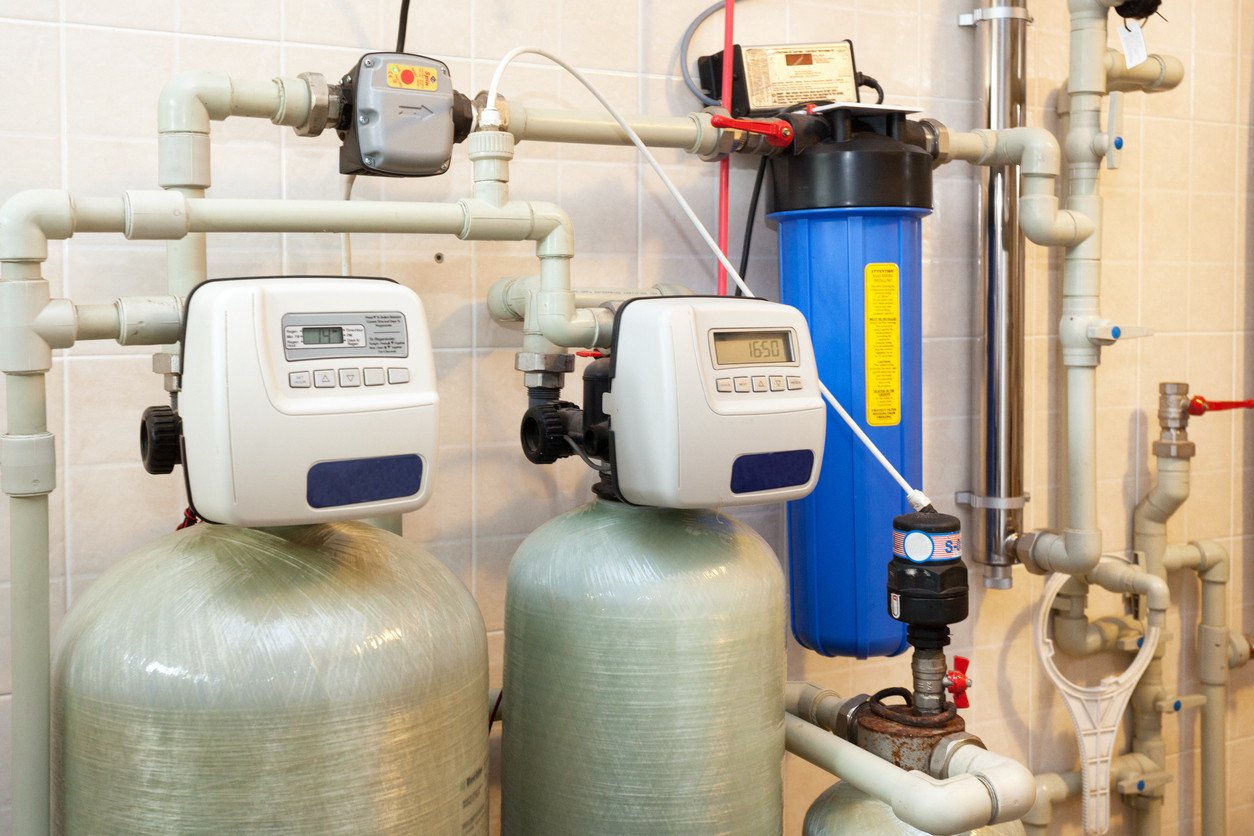
A properly selected softening system can help reduce the effects of hardness and make everyday tasks a little easier. Laundry may feel softer, soap can perform more effectively, and homeowners may spend less time fighting mineral buildup around faucets and shower surfaces.
Of course, not every water treatment system is the same, and sizing matters. A system that’s too small for a busy household may struggle to keep up. A home with two people has very different water demands than a home with a large family, multiple bathrooms, frequent laundry, and guests dropping by every weekend.
That’s why a little planning goes a long way.
Good Water Should Fit the Way You Live
One mistake people sometimes make is treating water improvement as a one-product purchase. In reality, a home’s water needs can be surprisingly personal.
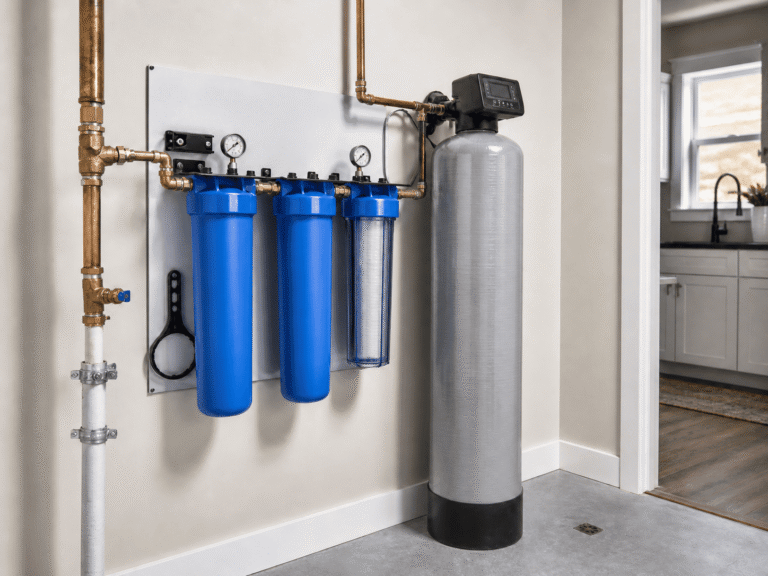
Maybe your main concern is the water you drink. In that case, a point-of-use drinking water system could be the most practical option. Perhaps hard water is affecting the entire house, from showers to appliances. A whole-home treatment approach might make more sense.
Some families want better-tasting water without constantly buying bottled water. Others are mainly tired of stains, scale, or unpleasant odors. There are also homeowners who simply want peace of mind because they don’t know much about the water entering their property.
All of those reasons are valid.
The best approach is usually the least dramatic one: understand the water, identify the real issue, and choose a solution that addresses it. No fancy sales pitch required.
Don’t Forget the System After Installation
Installing a water treatment system isn’t quite the end of the story. Like most things in a home, it benefits from a little attention.
Filters may need replacement. Some systems require periodic maintenance, cleaning, or professional service. Ignoring these recommendations can reduce performance over time, which defeats the purpose of investing in better water in the first place.
Fortunately, maintenance is generally much easier when homeowners understand what equipment they have and follow the recommended schedule. Keeping a simple reminder on your phone can be enough. It doesn’t have to become another complicated household project.
A reliable provider should also be willing to explain how the system works in plain language. If you leave an installation appointment more confused than when you started, something probably wasn’t communicated very well.
Clean Water Is a Small Comfort That Adds Up
There are plenty of home improvements that look impressive in photographs. A renovated kitchen, new flooring, or a beautifully designed bathroom can transform a space almost overnight.
Better water is different. You don’t always see it.
Instead, you notice it in little moments: a better-tasting glass of water, fewer spots on clean dishes, softer laundry, less buildup around fixtures, or simply greater confidence about what your family is using every day.
Those small improvements add up.
Clean, dependable water isn’t about chasing perfection or buying the most expensive system available. It’s about paying attention to something essential that quietly supports everyday life. Start by understanding your water, ask questions, and choose treatment based on real needs rather than guesswork.
After all, water touches nearly every part of the home. Making it cleaner, healthier, and better suited to your family may be one of those practical decisions that doesn’t make a lot of noise—but over the years, it can make a genuine difference.