Water is one of those things we rarely think about until something seems off. Maybe there’s a strange taste in your morning coffee. Perhaps your shower leaves your skin feeling dry, or you’ve noticed white spots collecting around faucets and glass. Sometimes the problem is subtle, but over time, it can become hard to ignore.
The good news is that improving your home’s water doesn’t have to mean choosing a complicated system or constantly worrying about maintenance. With the right approach, homeowners can enjoy cleaner, more pleasant water while choosing a treatment solution that actually fits the way their household uses water.
Understanding What’s Really in Your Water
Clear water isn’t necessarily perfect water. Depending on where you live, your supply may contain minerals, chlorine, sediment, dissolved metals, or other substances that affect taste, smell, appearance, and how water behaves around your home.
Hard water is a particularly common issue. It can leave behind those familiar chalky deposits on taps, shower doors, kettles, and appliances. Over time, mineral build-up can become more than an eyesore. It may affect plumbing fixtures and water-using appliances, too.
Then there’s chlorine. While it plays an important role in disinfecting many public water supplies, some people dislike its taste or smell. You may notice it most when drinking water straight from the tap or brewing coffee and tea.
This is why water treatment should begin with understanding the water itself, rather than simply buying the first filter that promises everything.
A Solution Should Fit Your Home, Not the Other Way Around
Every household is a little different. A family of six has very different water demands from someone living alone in an apartment. A home with older plumbing may have different concerns from a newly built property.
That’s where custom water treatment becomes useful. Instead of relying on a one-size-fits-all approach, a properly selected system considers factors such as water quality, household size, daily water usage, plumbing configuration, and the specific problems you want to address.
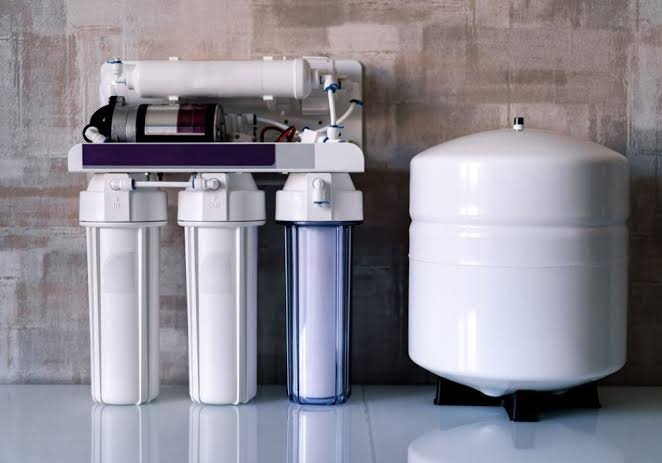
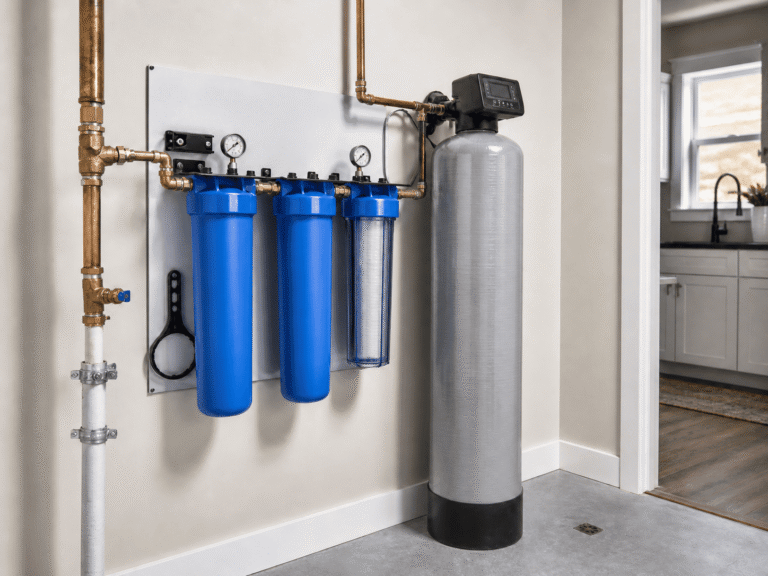
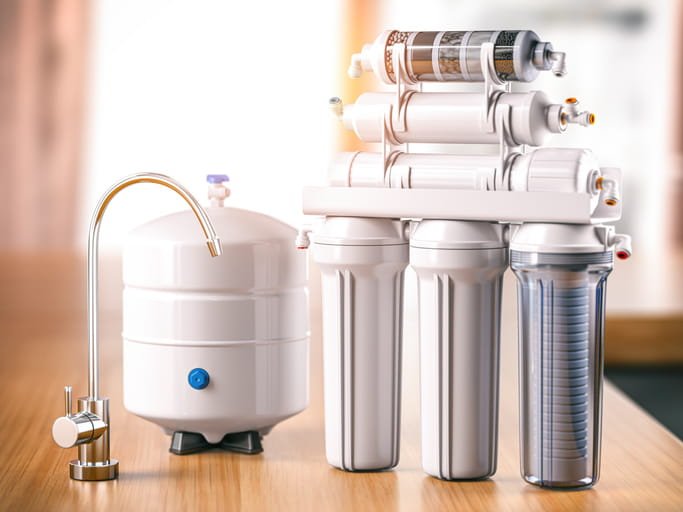
For example, you might need whole-home filtration to improve water throughout the house, while drinking water may benefit from a dedicated reverse osmosis system. In another home, scale control could be the bigger priority.
There isn’t one magic box that solves every water problem. Good treatment starts with matching the technology to the need.
Why Professional Water Testing Matters
It’s tempting to make assumptions based on taste or appearance. But water quality can be more complicated than what you can see, smell, or taste.
A professional water assessment can identify characteristics that aren’t obvious at the kitchen tap. Testing can help determine hardness levels, chlorine presence, mineral content, and other factors that influence which treatment method makes sense.
This is particularly important if you’re investing in a whole-home system. Nobody wants to spend money on equipment that doesn’t address the actual problem.
The better question isn’t simply, “Which water filter is best?” It’s “Which solution is best for this water and this home?”
Certified Solutions Bring More Confidence
Water treatment equipment is an investment, and naturally, homeowners want to know that the product they’re choosing is reliable. Certifications can provide an additional layer of confidence when comparing systems.
Look for certified solutions that have been evaluated against relevant performance or safety standards. Certification doesn’t mean every system is automatically right for every home, but it can help separate credible products from vague marketing claims.
It’s also worth paying attention to what a system is actually certified to do. A product designed to reduce chlorine isn’t necessarily designed to address hardness or dissolved minerals. Read the claims carefully. A little homework now can prevent plenty of frustration later.
Better Water Can Change Everyday Experiences
Water quality isn’t only about technical specifications. You notice it in ordinary moments.
A better glass of water after a long day. Coffee that tastes cleaner. Less residue around the sink. A shower that simply feels nicer. Fewer mineral deposits on fixtures. These small improvements can make a surprising difference because they’re part of your everyday routine.
For many homeowners, that’s the real appeal of a whole-home water treatment system. You’re not just treating water for one particular use. You’re improving the water experience across the house.
And when the system is selected properly, it can work quietly in the background without becoming another chore on your weekend to-do list.
Choosing the Right Team Makes a Difference
The equipment matters, but the people behind it matter, too. Installation, sizing, maintenance, and customer support can have just as much impact on your experience as the product itself.
Working with local professionals can be especially helpful because they understand regional water conditions and the kinds of challenges homeowners commonly face in the area. A nearby team can also make consultations, installations, servicing, and follow-up support more convenient.
You don’t want to feel like you’re buying a machine from a catalogue and then being left to figure everything out yourself. Water treatment is a long-term decision, so having someone available when questions come up is reassuring.
Expertise Doesn’t Have to Feel Complicated
Water treatment can sound technical. Filtration media, membranes, scale control, flow rates, contaminants — suddenly something as simple as turning on a tap feels like an engineering project.
It doesn’t need to be that way.
Good friendly experts should be able to explain the options in plain language. They should listen to your concerns, look at your water, explain what different systems can and cannot do, and help you make an informed choice without unnecessary pressure.
A trustworthy professional won’t promise that one product can fix every possible water concern. Instead, they’ll focus on what actually makes sense for your household.
Think Beyond the Filter
It’s easy to focus on the purchase price when comparing water treatment systems. But long-term value deserves equal attention.
Consider maintenance requirements, filter replacement schedules, water waste, energy use, expected lifespan, installation needs, and ongoing service. A system that appears inexpensive initially may become costly if replacement parts are frequent or maintenance is difficult.
Likewise, the most expensive system isn’t automatically the best. The goal is balance: effective treatment, sensible operating costs, dependable performance, and a system that fits your household.
That’s ultimately what homeowners are looking for — not complicated technology for its own sake, but water that feels better and a solution they can rely on.
Making Water Quality Part of a Better Home
There’s something satisfying about improving the things you interact with every day. Water is certainly one of them. We drink it, cook with it, shower in it, wash dishes with it, and depend on it for countless household tasks.
Choosing the right treatment approach can turn an overlooked part of your home into something you feel good about.
The smartest first step is simple: understand your water, identify what you want to improve, and work with professionals who can recommend an appropriate solution. When the system is properly matched to your needs, better water doesn’t have to be complicated.
Sometimes, the best improvements at home are the ones you barely notice — except that everything just works a little better.