There’s a funny thing about water quality: you often don’t think about it until something seems off. Maybe your coffee tastes slightly different. Perhaps the shower glass keeps collecting white spots, or the water from the kitchen tap has an odd smell after sitting in a glass for a while. These little annoyances can be easy to ignore, but they may also be signs that your home’s water needs a closer look.
The good news is that water treatment doesn’t have to be complicated. The right system depends on what is actually in your water, how much water your household uses, and what you want to improve. A thoughtful approach can make a noticeable difference without turning your utility room into a science experiment.
Start With the Water, Not the Equipment
One of the easiest mistakes homeowners make is choosing a treatment system before understanding the problem. A neighbor may swear by a particular filter, but that doesn’t necessarily mean it’s the right choice for your home.
Municipal water and private well water can have very different characteristics. Even homes in the same neighborhood may experience differences because of plumbing, water age, or changes within the local supply.
Testing your water first gives you useful information about hardness, sediment, minerals, chlorine, pH, and other potential concerns. Once you know what you’re dealing with, choosing equipment becomes much less of a guessing game.
When Whole-Home Filtration Makes Sense
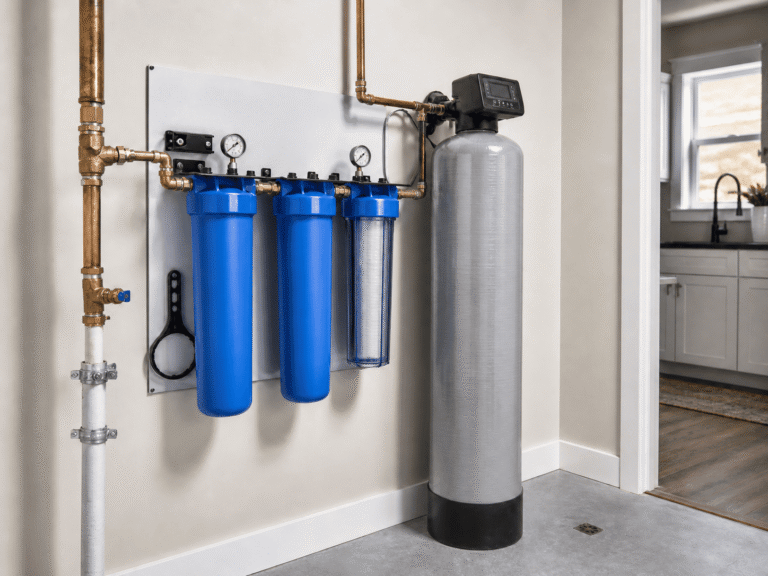
If your concern affects water throughout the house, treating water at a single faucet may not be enough. A whole-house filtration system is installed at the point where water enters the property, allowing treated water to travel through the home’s plumbing.
This can be particularly useful when homeowners want to address sediment, unpleasant tastes or odors, or certain contaminants across multiple fixtures. Instead of installing separate filters on every tap, one properly selected system can provide a broader solution.
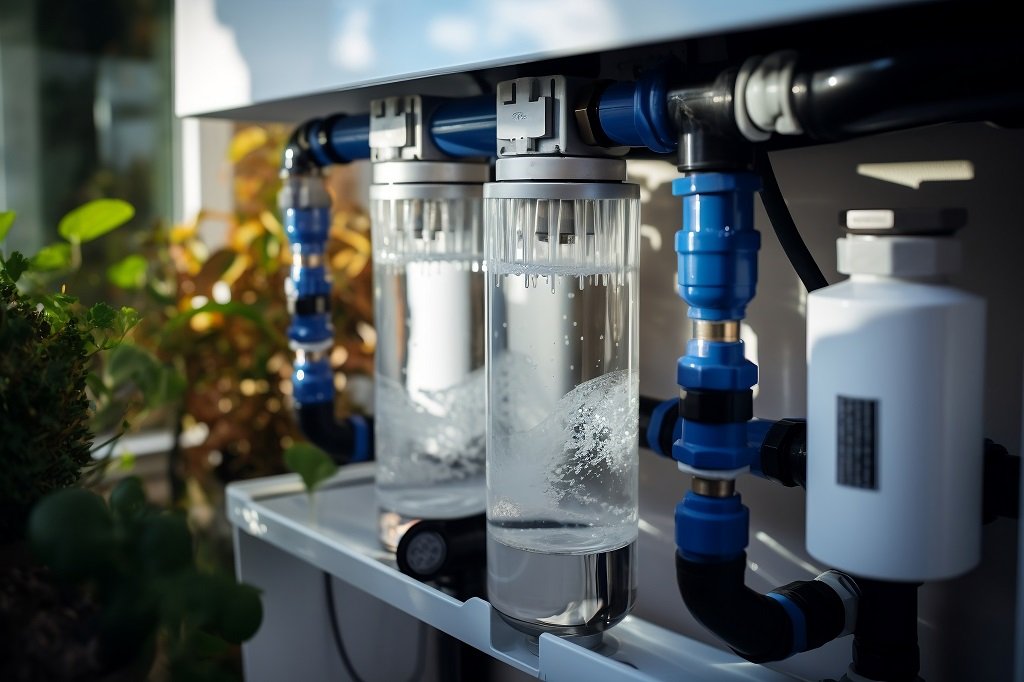
Of course, filtration systems are not all interchangeable. Different filters target different substances. Carbon filtration, for example, is commonly used for taste and odor improvement, while other media are designed for specific contaminants. The key is matching the filter technology to the water test.
Reverse Osmosis Is More Targeted
Sometimes the goal isn’t to treat every drop of water used for laundry, bathing, and cleaning. You may simply want exceptionally treated water for drinking and cooking.
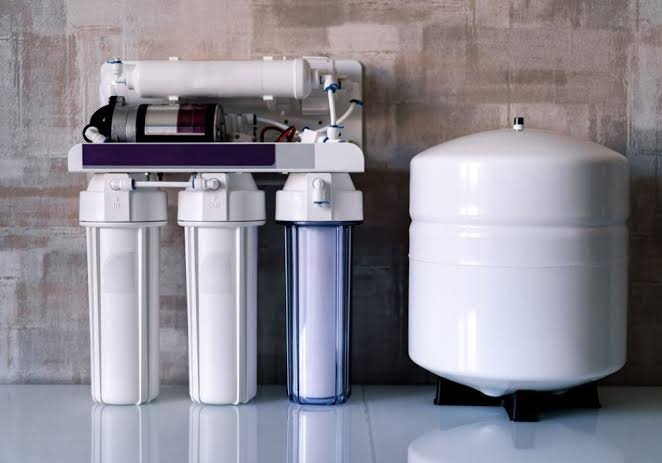
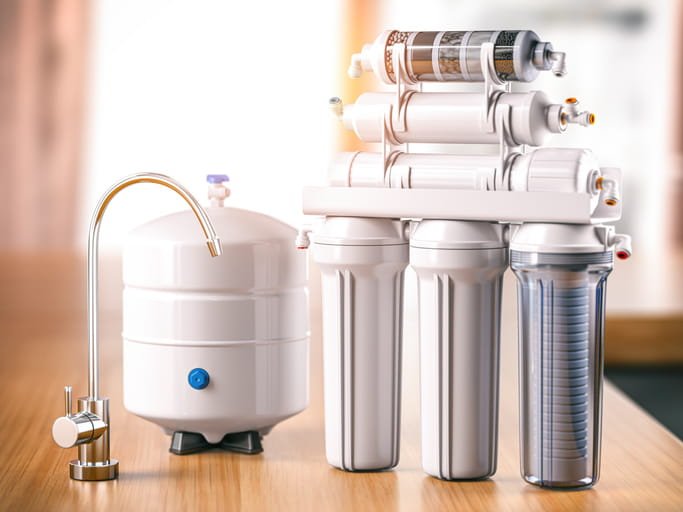
That’s where reverse osmosis can be useful. RO systems use a semipermeable membrane to reduce many dissolved substances from water. They’re commonly installed beneath a kitchen sink and connected to a dedicated drinking-water faucet.
RO can be an excellent choice when dissolved minerals or other substances are the primary concern. It isn’t automatically the best answer for every household, though. The membrane requires maintenance, and the system produces some wastewater as part of its normal operation.
The important point is simple: reverse osmosis is a specific treatment method, not a universal solution. Understanding the water first makes it much easier to decide whether the technology is appropriate.
Don’t Overlook Hard Water
Hard water is one of those problems that rarely announces itself dramatically. Instead, it leaves clues. Soap may struggle to lather. Faucets develop mineral deposits. Clothes can feel a little rough after washing, and appliances that heat water may accumulate scale over time.
Water softeners are designed specifically to address hardness, generally by reducing calcium and magnesium ions through an ion-exchange process. For homes with significant hardness, this can improve how water feels and can help reduce scale formation in plumbing and appliances.
It’s worth remembering that softening and filtering are different jobs. A softener isn’t intended to replace every other form of water treatment. If your water has both hardness and taste or odor concerns, you may need a combination of technologies rather than one system expected to do everything.
Think About Your Household Habits
The “right” system also depends on how your household actually uses water.
A couple living in a small home may have very different requirements from a family of six. If several showers, washing machines, dishwashers, and faucets can run at the same time, system capacity matters. Choosing equipment that is too small can lead to disappointing performance, while buying something dramatically oversized may simply add unnecessary expense.
Think about the moments when water demand peaks. Morning showers, breakfast, laundry and school-day routines can create surprisingly heavy usage. A qualified water-treatment professional can use household size and flow requirements to help determine appropriate equipment capacity.
Maintenance Is Part of the Decision
Water treatment equipment is not something you install and forget about forever. Filters need replacing. Tanks may require servicing. RO membranes eventually need attention, and softener settings or salt levels may need to be checked.
That doesn’t mean maintenance is burdensome. In many cases, it becomes a simple routine once you know what needs to happen and when.
Before purchasing a system, ask about maintenance intervals and replacement costs. A system with a lower purchase price may not necessarily be cheaper over several years if replacement parts are expensive or difficult to obtain.
It’s also smart to ask who will provide service if something stops working. Having a local professional available can be reassuring, especially when the system supplies water to the entire home.
Look Beyond the Sales Pitch
Water-treatment products can come with impressive claims, technical terminology, and glossy brochures. Try not to get distracted by all of that.
Instead, ask practical questions. What problem is the system designed to solve? What contaminants does it reduce? How often do components need replacing? What is the expected water flow? Does installation require changes to existing plumbing? What happens to the system if the household’s water conditions change?
A trustworthy provider should be comfortable answering those questions without making you feel pressured to buy immediately.
And if someone recommends equipment without asking about your water quality, household size, or treatment goals, that’s worth questioning. Good treatment starts with diagnosis.
The Best System Is the One That Fits
There isn’t one perfect water-treatment setup for every home. Some households may benefit from basic filtration. Others may need a softener for hard water, an RO unit for drinking water, or a combination of technologies.
What matters most is solving the actual problem rather than collecting equipment.
Clean, pleasant water should feel ordinary. You shouldn’t have to think about it every time you fill a glass, start the washing machine, or step into the shower. By testing your water, understanding your priorities, and choosing equipment based on those findings, you can create a treatment setup that quietly does its job in the background.
And honestly, that’s probably the best outcome. Good water treatment isn’t about having the most complicated system in the neighborhood. It’s about having water that works well for the people and home that depend on it.