Clean water is one of those things most people don’t think about until something goes wrong. The water may look perfectly clear coming from the tap, yet it can still contain minerals, sediments, chlorine, unpleasant odors, or other impurities that affect taste and everyday comfort. That’s why choosing the right water treatment approach isn’t simply about buying a filter and hoping for the best. It starts with understanding the water you actually have and what your household or business needs.
For homeowners, water quality can influence everything from drinking and cooking to laundry, bathing, and the lifespan of plumbing fixtures. Businesses have an even wider range of concerns. Restaurants, offices, hotels, healthcare facilities, and manufacturing operations may all require different levels of water treatment. In other words, there’s no single solution that works perfectly for everyone.
Looking Beyond What You Can See
One of the tricky things about water problems is that they aren’t always obvious. Cloudy water is easy to notice, but dissolved minerals are another story. Hard water, for instance, can leave white deposits around taps and showerheads while gradually building scale inside pipes and appliances.
Some water may also have a noticeable chlorine taste or smell. In rural areas, private wells can present their own challenges, including sediment and naturally occurring minerals. Municipal water is treated before reaching homes, but that doesn’t necessarily mean every household will have the same experience.
A proper water analysis can reveal what’s really happening. Once the water has been tested, homeowners and property managers can make a more sensible decision instead of spending money on equipment they may not actually need.
Solutions for Homes and Businesses
Water treatment needs can vary dramatically between a family home and a large commercial property. A household might mainly want better-tasting drinking water and relief from hard-water problems, while a business could need consistent water quality for equipment, production, or customer service.
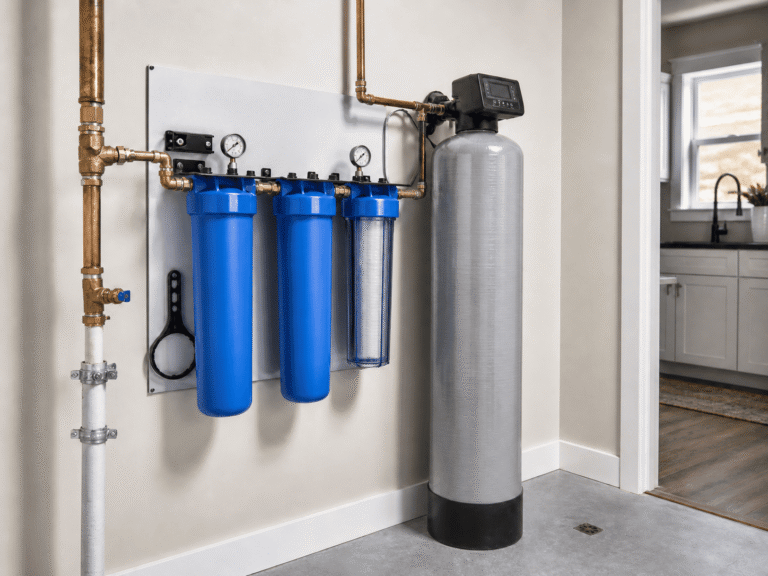
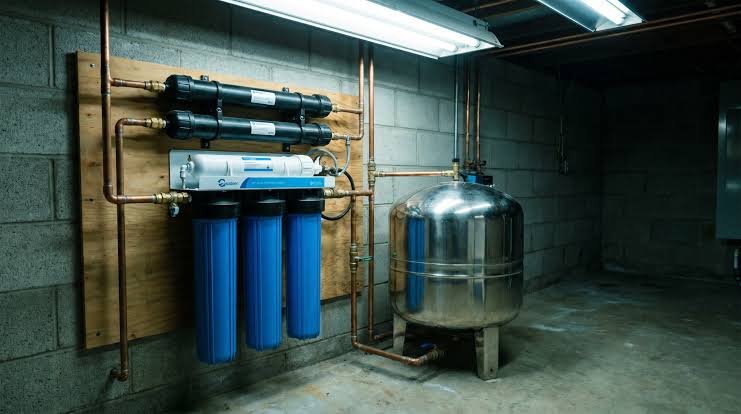
Modern residential & commercial water treatment solutions are designed around these differences. Depending on the water source and the specific contaminants involved, treatment may include filtration, softening, reverse osmosis, ultraviolet treatment, or combinations of several technologies.
The important part is choosing equipment based on actual water conditions. Bigger isn’t always better. A treatment system that’s unnecessarily powerful can cost more to purchase and maintain, while an undersized system may struggle to keep up with demand.
The Everyday Difference of Softer Water
Hard water isn’t usually considered a serious household emergency, but it can be a persistent nuisance. Mineral deposits can collect on faucets, glass shower doors, dishes, and plumbing components. Soap may also struggle to lather properly, leaving skin feeling dry and laundry less fresh than expected.
That’s where water conditioning & softeners can make a noticeable difference. Water softeners typically reduce calcium and magnesium, the minerals primarily responsible for hardness. Conditioners can use different approaches depending on the system and the desired outcome.
For many families, the benefits are practical rather than dramatic. Cleaning becomes a little easier. Fixtures stay cleaner for longer. Appliances that use water may experience less scale buildup. It’s the sort of improvement you might not appreciate on day one, but after several months, you may wonder how you lived without it.
When Filtration Isn’t Quite Enough
Basic filtration can be excellent for removing sediment, chlorine, odors, and certain other unwanted substances. But some households want an additional level of purification, particularly for drinking and cooking water.
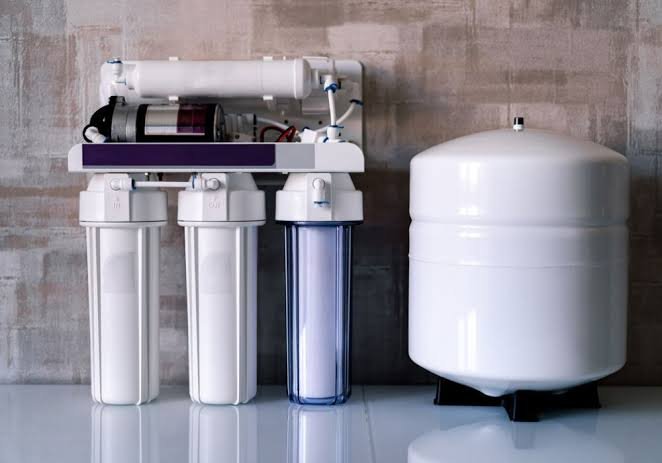
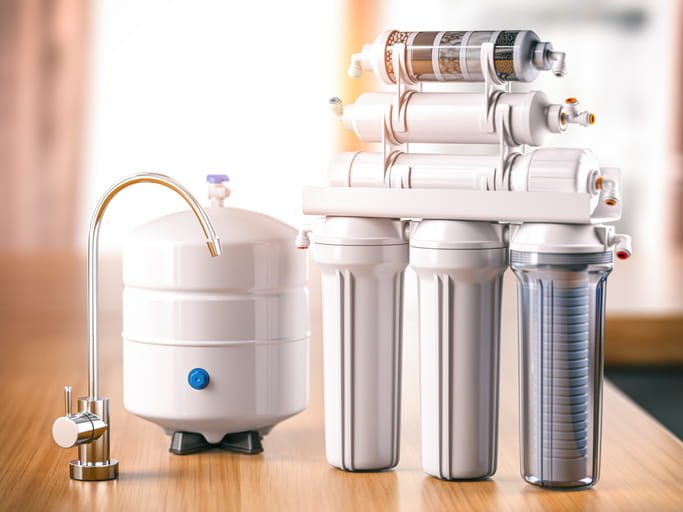
This is where reverse osmosis systems have become increasingly popular. Reverse osmosis uses a semipermeable membrane to reduce a broad range of dissolved substances from water. These systems are commonly installed under kitchen sinks, although larger versions can be designed for commercial applications.
Of course, reverse osmosis isn’t automatically the answer to every water problem. It can produce some wastewater and requires filter and membrane replacement over time. The system also needs to be selected and maintained properly. When matched to the right water conditions, though, it can provide remarkably clean and pleasant-tasting drinking water.
Maintenance Is Part of the Solution
Even the best treatment equipment can’t perform indefinitely without attention. Filters eventually become saturated, softener components need servicing, and reverse osmosis membranes have a useful operating life.
Regular maintenance helps keep performance consistent and can prevent small problems from turning into expensive repairs. A clogged filter, for example, may reduce water pressure and make a system appear faulty when it simply needs replacement.
It’s also worth checking the system periodically if water conditions change. A new municipal supply, plumbing renovation, seasonal well changes, or increased household demand can all affect how well an existing treatment setup performs.
Choosing Equipment With the Long Term in Mind
Price naturally matters when purchasing water treatment equipment, but it shouldn’t be the only consideration. Installation quality, replacement parts, maintenance requirements, water usage, system capacity, and warranty support all influence the real cost over time.
A reliable provider should be willing to explain why a particular system is recommended rather than simply pushing the most expensive option. Ask questions. Find out what the system removes, what it doesn’t remove, how often components need replacing, and what ongoing maintenance will cost.
That conversation can save a lot of frustration later.
Cleaner Water, Fewer Compromises
Good water treatment isn’t about making water unnecessarily complicated. It’s about solving the problems that actually exist. Sometimes that means a straightforward sediment filter. Sometimes it means addressing hard water throughout the property. In other situations, advanced purification may be worthwhile.
The smartest approach is to test the water, understand the results, consider how the water is being used, and then choose equipment accordingly. With the right system and regular maintenance, better water quality can become something you simply enjoy every day—quietly, reliably, without having to think much about it. And honestly, that’s probably the best sign that the treatment system is doing its job.