Why Understanding Your Water Is the First Step Toward a Healthier Home and Workplace
Water is one of those things we rarely think about until it gives us a reason to. Maybe your coffee suddenly tastes different, your shower leaves your skin feeling dry, or you start noticing white mineral spots covering faucets and glassware. These little clues often point to something happening beneath the surface—something that’s easy to overlook because clean-looking water isn’t always the same as high-quality water.
Whether you’re responsible for a busy household or managing a growing business, the quality of your water quietly influences daily life. It affects the drinks you enjoy, the meals you prepare, the equipment you rely on, and even the comfort of your family or employees. That’s why paying attention to water quality isn’t just another maintenance task. It’s an investment in long-term comfort, efficiency, and peace of mind.
Water Quality Is Different Everywhere
Many people assume that if their neighbour’s water is fine, theirs must be too. In reality, water quality can vary from one street to another, depending on local infrastructure, plumbing systems, groundwater conditions, and municipal treatment methods.
Some homes struggle with hard water that leaves stubborn scale behind. Others notice chlorine odours, metallic tastes, sediment, or naturally occurring minerals that affect overall water quality. Commercial buildings may face entirely different challenges because of higher water usage and more demanding equipment.
Every property tells a slightly different story, which is why guessing rarely produces the best solution.
Knowing What’s in Your Water Changes Everything
Before installing any filtration system, it makes sense to understand exactly what you’re dealing with. Surprisingly, many homeowners purchase equipment based on advertisements without ever learning what their water actually contains.
Scheduling a free water test is often the smartest starting point. Instead of relying on assumptions, you receive valuable information about your water’s mineral content, hardness levels, chlorine presence, and other characteristics that may influence both taste and performance.
Once you have clear answers, choosing the right filtration system becomes much easier. Rather than buying unnecessary equipment, you can focus on solutions that genuinely address your household’s needs.
Everyday Problems Often Begin with Water
It’s funny how easily we blame other things before considering our water.
We replace soap because it doesn’t lather well. We buy expensive cleaning products to remove mineral stains. We wonder why towels feel rough after washing or why our kettle develops stubborn white buildup so quickly.
More often than not, the water itself is quietly responsible.
Improving water quality doesn’t simply change what comes out of the tap. It influences how your appliances perform, how efficiently soap works, and how much maintenance your home requires over time.
These small improvements can make everyday routines noticeably more pleasant.
Businesses Depend on Reliable Water Too
Water quality isn’t only important at home. Many businesses rely on clean, consistent water every single day, often without giving it much thought until problems begin appearing.
Restaurants, cafés, medical facilities, manufacturing plants, hotels, salons, schools, and office buildings all depend on water for different reasons. Poor-quality water can affect beverages, damage expensive equipment, increase maintenance costs, and create an inconsistent customer experience.
That’s why investing in commercial water filtration often becomes a practical business decision rather than simply an operational upgrade.
Cleaner water helps protect coffee machines, ice makers, steam equipment, boilers, and countless other systems that businesses depend on daily. It also contributes to better tasting drinks, cleaner facilities, and greater confidence for both employees and customers.
Modern Filtration Is Smarter Than Ever
Water treatment technology has advanced significantly over the years.
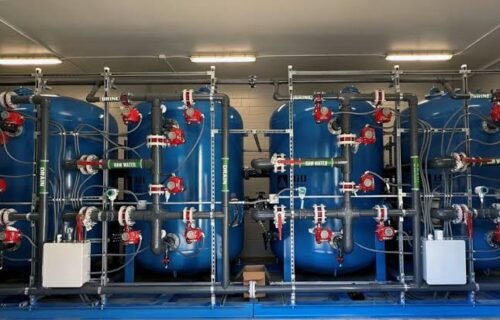
Today’s systems aren’t simply designed to remove visible particles. Many combine multiple stages of filtration that target sediment, chlorine, unpleasant odours, dissolved contaminants, and other unwanted substances while maintaining consistent flow throughout the property.
Some systems are compact enough for residential kitchens, while others are built to support large commercial operations with continuous demand.
The important thing isn’t finding the biggest system—it’s finding one that matches your specific water conditions.
Adding Another Layer of Protection
While filters remove many contaminants, some homeowners and businesses choose additional technologies that focus on microbiological safety.
One increasingly popular option is uv water purification, which uses ultraviolet light to help neutralize microorganisms without adding chemicals to the water itself.
This approach works alongside filtration rather than replacing it, creating an additional level of confidence for people who want cleaner water for drinking, cooking, or specialized commercial applications.
Many appreciate that the process is straightforward, efficient, and doesn’t alter the natural taste of the water.
Better Water Supports Everyday Comfort
People often expect dramatic changes after upgrading their water system, but the improvements are usually quieter than that.
You notice your coffee tastes smoother. Ice cubes become clearer. Glasses come out of the dishwasher with fewer spots. Showers feel more refreshing, and soap rinses away more easily.
Eventually, these little benefits become your new normal.
In many ways, that’s the sign of a successful water treatment system. It quietly works in the background without demanding attention while improving dozens of small moments throughout the day.
Maintenance Is Simpler Than Many Expect
One reason some homeowners hesitate to install filtration equipment is the assumption that maintenance will be difficult or time-consuming.
Fortunately, modern systems are designed with convenience in mind. Most require only periodic filter replacements and occasional inspections to maintain peak performance.
Routine maintenance helps ensure water quality remains consistent while protecting the equipment itself. Much like servicing your heating system or changing your vehicle’s oil, a little attention goes a long way toward preventing bigger issues later.
Once maintenance becomes part of your regular schedule, it’s rarely something you think much about.
Better Water Is an Investment in Everyday Living
Home improvements often focus on visible changes, but some of the most meaningful upgrades happen behind the scenes. Better water is one of them.
From protecting household appliances and reducing maintenance to improving drinking water and supporting healthier daily habits, quality water quietly influences countless aspects of life. Businesses benefit through greater operational efficiency, while families simply enjoy the comfort of knowing the water they use every day is cleaner and more dependable.
At the end of it all, water isn’t just another utility flowing through your pipes. It’s part of nearly every moment in your day. Taking the time to understand it, test it, and improve it isn’t about chasing perfection—it’s about creating a home or workplace that feels healthier, more efficient, and better prepared for the years ahead. Sometimes the most valuable improvements aren’t the ones everyone notices. They’re the ones you experience, every single day, without even thinking about them.