Better Water at Home: Simple Ways to Improve Your Everyday Water Quality
Water is something we use almost without thinking. We drink it, cook with it, wash vegetables, make tea, bathe in it, and fill our pets’ bowls with it. Yet, despite being such a basic part of everyday life, we often don’t stop to consider what may actually be coming through our taps. Water can look perfectly clear and still contain minerals, sediments, chlorine, or other unwanted substances.
That’s why better water starts at home. You don’t necessarily need a complicated setup right away. A little awareness, testing, and the right treatment approach can make a meaningful difference to the water your family uses every day.
Understanding What’s Really in Your Water
The first step toward improving household water is understanding its quality. Water quality can vary considerably depending on where you live and where your supply comes from. Municipal water, private wells, and other sources can all have different characteristics.
Hard water, for example, contains higher levels of minerals such as calcium and magnesium. You may notice white spots on faucets, scale around showerheads, or soap that refuses to lather properly. Over time, mineral buildup can affect plumbing fixtures and household appliances too.
Other common concerns include chlorine taste and odor, sediment, iron, and certain contaminants that aren’t visible to the naked eye. Simply looking at a glass of water doesn’t tell the whole story.
Why Testing Your Water Matters
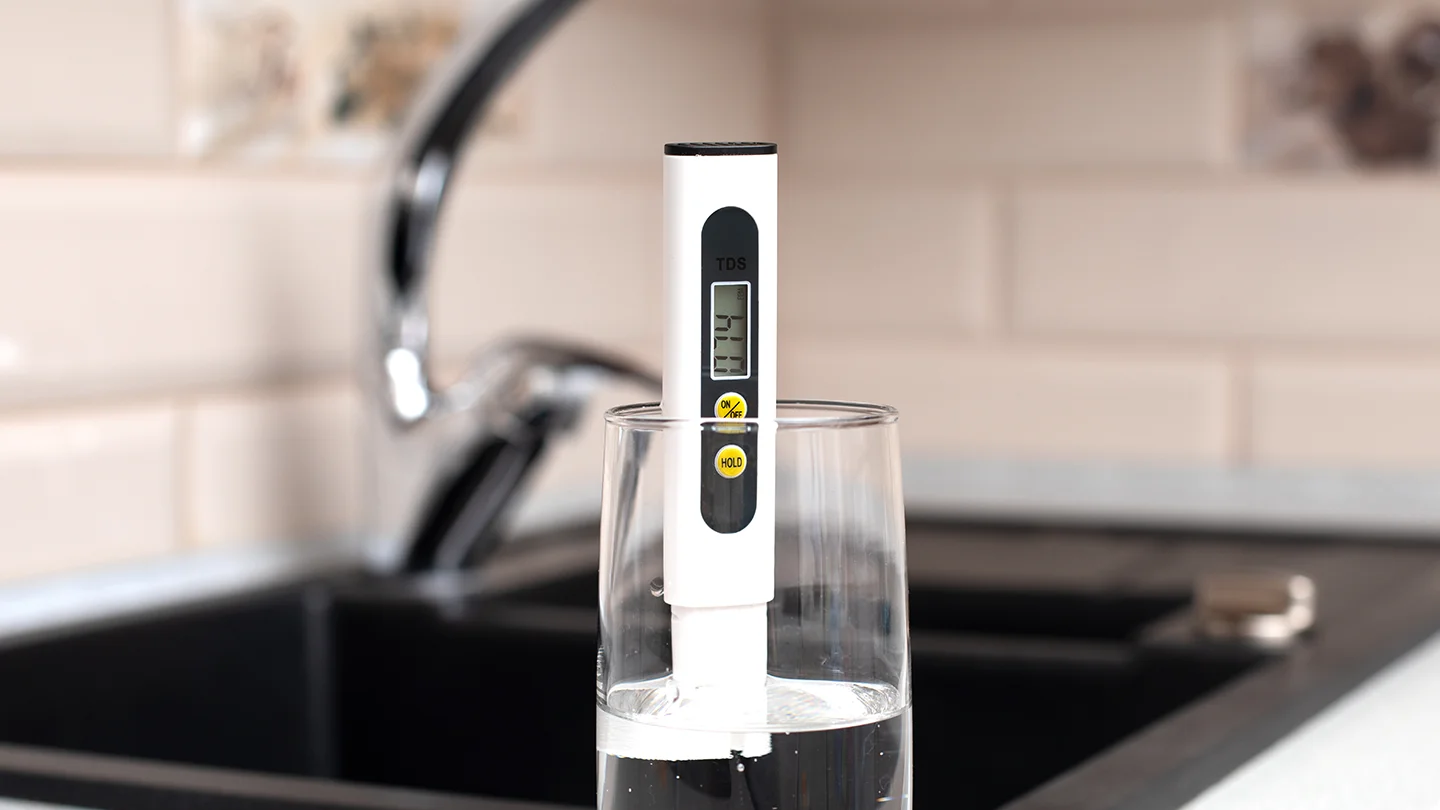
Guesswork isn’t a great strategy when it comes to something your household consumes every day. An in-home water test can provide useful information about the condition of your water and help identify issues that might otherwise go unnoticed.
Testing may check factors such as hardness, pH, chlorine, iron, and other water-quality indicators, depending on the type of test being used. The results can help you understand whether you need filtration, softening, purification, or perhaps no major treatment at all.
This is an important point: not every home needs the same solution. Buying a treatment system simply because a neighbor has one may not make sense for your household. Your water source and actual water-quality concerns should guide the decision.
Choosing the Right Water Treatment Approach
Once you know what you’re dealing with, the next question is what to do about it. There are several types of residential water treatment technologies, and each has a different purpose.
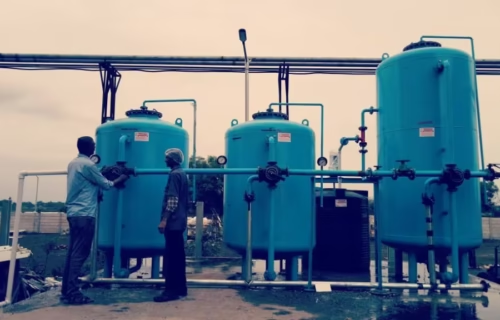
Water softeners are commonly used to address hardness and reduce mineral scale. Filtration systems can help reduce sediment, chlorine, unpleasant tastes, and certain other impurities. Reverse osmosis systems are often installed for drinking and cooking water when additional purification is desired.
The key is matching the technology to the problem. Good expert water treatment solutions aren’t about installing the biggest or most expensive system available. They’re about finding a practical option that suits your water quality, household needs, budget, and available space.
Whole-Home Water vs. Drinking Water
One decision homeowners often face is whether to treat all the water entering the property or focus only on water used for drinking and cooking.
A whole-home system treats water at the point where it enters the house, allowing treated water to reach showers, sinks, washing machines, and other fixtures. This can be useful when the concern affects the entire household water supply.
Point-of-use systems, meanwhile, are generally installed at a specific faucet or appliance. They can be a practical choice when the main concern is drinking water rather than every drop used around the house.
There isn’t a universal winner here. It depends on what you’re trying to accomplish.
Don’t Forget About Maintenance
Even a well-designed water treatment system needs attention. Filters have replacement schedules. Softener systems may require maintenance and salt replenishment. Reverse osmosis systems contain multiple filtration stages that need to be checked periodically.
Skipping maintenance can reduce performance and, in some cases, create unnecessary problems. It’s a bit like owning a car: buying it is only the beginning. Regular servicing keeps everything working the way it should.
Homeowners should keep track of filter replacement dates and follow the manufacturer’s maintenance recommendations. If you’re unsure about something, professional guidance can save plenty of frustration later.
Small Changes Can Make a Difference
Improving water quality doesn’t have to feel overwhelming. Start with the basics. Find out where your water comes from. Look for signs of hardness, sediment, odor, or unusual taste. Have the water tested if you’re concerned, and learn what the results actually mean before choosing equipment.
It’s also worth paying attention to appliances. Hard water can contribute to scale buildup in water heaters, coffee makers, dishwashers, and washing machines. Better-managed water may help reduce that buildup and make everyday cleaning a little easier.
And sometimes the biggest improvement is simply knowing what you’re dealing with.
Making a Smarter Long-Term Choice
Water treatment is ultimately a household decision, not just a technical one. A family of two living in an apartment may have completely different requirements from a large family in a house using well water.
Before purchasing a system, consider installation requirements, ongoing maintenance, replacement filter costs, water usage, and the specific contaminants or minerals you want to address. Look beyond flashy claims and focus on measurable performance and suitability.
A reputable water professional can also help explain your options without turning the conversation into a sales pitch. That’s valuable because water treatment can be confusing when every product seems to promise the same thing.
A Better Water Routine Starts With Awareness
Clean, pleasant-tasting water can make everyday life feel a little better. From the morning glass of water to the evening shower, it is part of nearly every routine we have.
The smartest approach is simple: test when needed, understand the results, choose treatment based on actual requirements, and maintain the system properly. There’s no need to make water quality more complicated than it has to be.
After all, good water treatment isn’t just about buying equipment. It’s about creating a healthier, more comfortable home environment and making a thoughtful choice for the people who live there. Sometimes, taking care of something as ordinary as the water from your kitchen tap is one of those small household decisions that quietly pays off every single day.