Better Water Starts at Home: A Practical Guide to Cleaner Water for Every Family
Water is one of those things we use all day without giving it much thought. We drink it, cook with it, wash our hands, take showers, and use it to clean almost everything around the house. But when water quality becomes a concern, it suddenly feels like a much bigger part of everyday life. Strange tastes, unpleasant odors, mineral buildup, dry skin, or spots on dishes can make you wonder what is really coming through your taps.
For families, having reliable water isn’t simply about convenience. It’s about creating a home where everyone can feel comfortable using the water every day. A good water treatment setup can make a noticeable difference, especially when water quality changes because of the local water source, old plumbing, or seasonal conditions.
Understanding What May Be in Your Water
Not all water problems look the same. Some households mainly deal with hard water, while others notice sediment, chlorine taste, unpleasant odors, or other unwanted substances. Municipal water and private well water can also have very different characteristics.
Hard water, for instance, contains higher amounts of minerals such as calcium and magnesium. These minerals may not be visible when you fill a glass, but their effects can become obvious over time. Faucets can develop white deposits, showerheads may become clogged, and soap sometimes struggles to create a good lather.
That’s why testing your water before choosing a treatment system is a smart first step. Instead of buying equipment based on guesswork, you can identify the actual issue and choose a solution that matches your household.
Making Everyday Water Feel Better
When a family has dependable water quality throughout the house, small daily tasks can become easier. There’s less frustration when washing dishes, fewer mineral marks around fixtures, and often a noticeable difference in how water feels during showers.
For many homeowners, the goal is straightforward: Clean Water For Your Whole Family without having to think about water quality every time someone turns on a tap. Achieving that goal may require looking beyond a single drinking-water filter and considering how water is used throughout the property.
A whole-home approach can be particularly useful for larger households. Instead of treating water only at one faucet, a suitable treatment system can address water as it enters the home, giving different rooms access to treated water.
Why Whole House Filtration Can Be Worth Considering
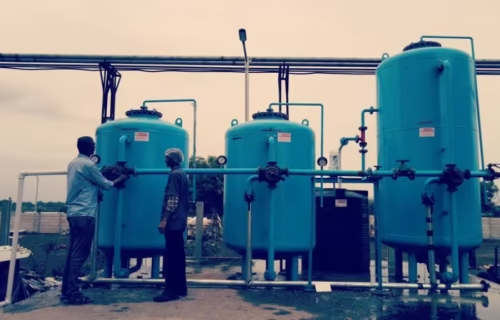
A kitchen filter can certainly be useful, but it only handles the water coming from that particular outlet. The rest of the house continues receiving untreated water. That’s where Whole House Filtration can offer a broader approach.
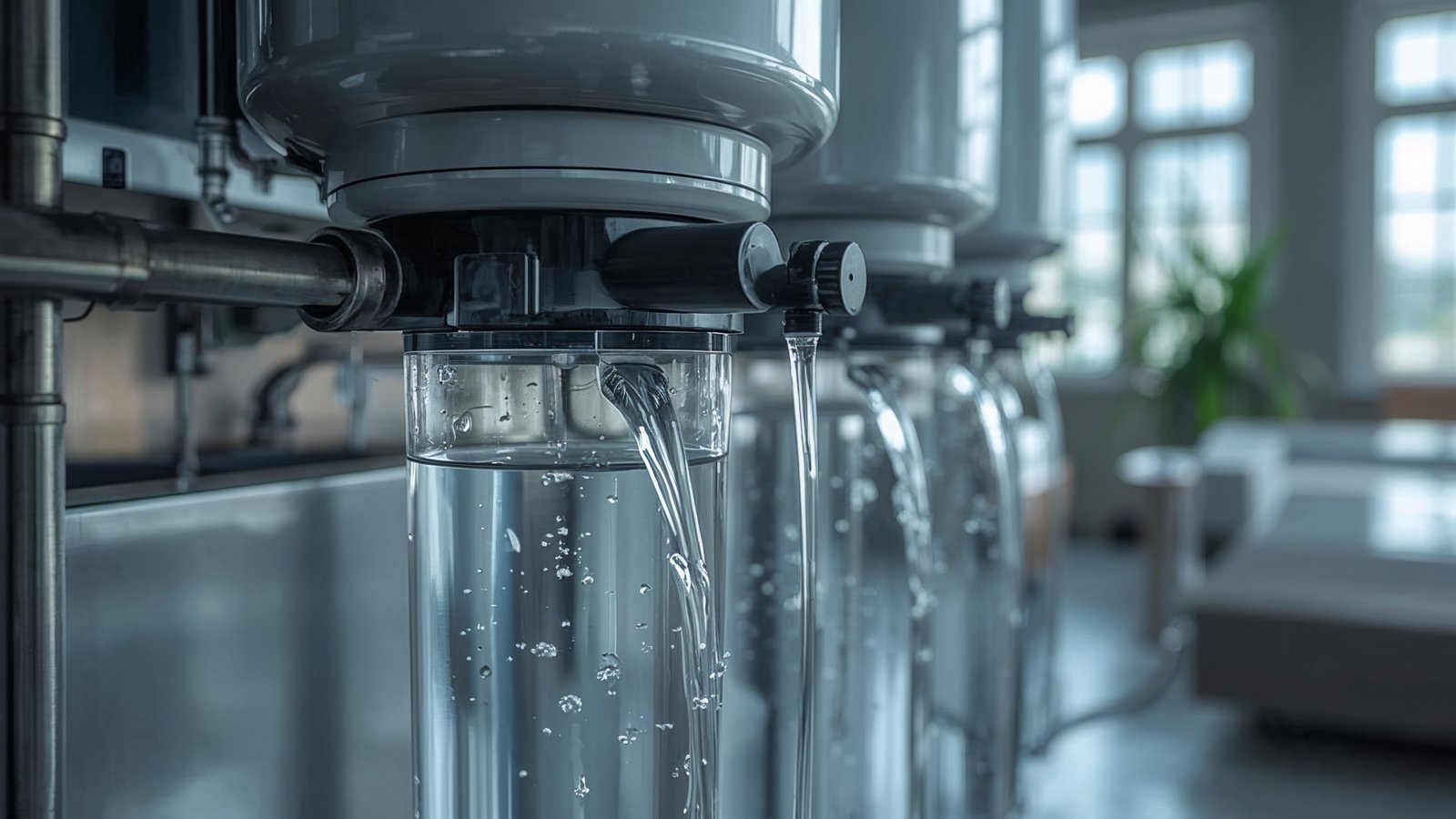
These systems are designed to treat water for multiple points of use. Depending on the system and the condition of the incoming supply, filtration may help reduce sediment, unpleasant tastes, odors, chlorine, or other specific contaminants.
The right system depends heavily on what’s actually present in the water. A family living in an area with sediment problems may need a different setup from a household mainly concerned about chlorine taste. There isn’t really a one-size-fits-all answer, and that’s worth remembering before making a purchase.
Don’t Ignore Hard Water
Hard water is one of the most common complaints homeowners have. You might notice it when glasses come out of the dishwasher covered with spots or when a shower door slowly develops a cloudy film. Soap scum can also become harder to remove.
Over time, mineral deposits can affect plumbing fixtures and water-using appliances. Water heaters and other equipment can be particularly vulnerable to scale buildup because minerals can accumulate when water is heated repeatedly.
A Salt Based Water Softener is one option homeowners often consider when hardness is the main concern. These systems use an ion-exchange process to reduce calcium and magnesium in the water. While they require salt and regular maintenance, many households find the improvement in water feel and reduction in scale worthwhile.
Choosing a System That Fits Your Home
Buying a water treatment system shouldn’t be treated like choosing a random appliance. Start by understanding your water. If possible, have it tested so you know exactly what you’re dealing with.
Then think about your household’s actual needs. How many people live there? Do you use well water or municipal water? Are hard-water deposits your biggest problem, or are taste and odor more important? Do you want treated water throughout the house or only at drinking-water faucets?
Maintenance matters, too. Filters need replacing, softeners may require salt, and treatment equipment should be checked periodically. A system that looks inexpensive at first can become frustrating if replacement parts are difficult to find or maintenance is complicated.
A Small Home Improvement With a Daily Impact
Good water quality doesn’t have to be something you notice constantly. In fact, the best system may be the one that quietly does its job in the background.
Cleaner fixtures, better-tasting drinking water, fewer mineral deposits, and a more pleasant shower experience can add up to a surprisingly meaningful improvement in everyday life. More importantly, understanding your water gives you the confidence to choose treatment based on facts rather than assumptions.
Water enters nearly every corner of a home. Taking the time to understand and improve its quality can therefore be one of those practical investments that pays off in small ways, day after day. And sometimes, those small improvements are exactly what make a house feel a little more comfortable.