Dealing with a leaky faucet or a clogged drain at 11 PM is every homeowner’s nightmare. The good news? Most common plumbing problems don’t require an emergency plumber visit. With a few basic tools and some patience, you can fix many of these issues yourself, saving both time and money.
In this guide, we’ll walk through the most frequent plumbing issues faced by Indian households, why they happen, and step-by-step DIY solutions. Whether it’s a dripping tap, a running toilet, or low water pressure, you’ll find practical fixes here that actually work.
(Internal link suggestion: link to an article on “Essential Plumbing Tools Every Home Should Have”)
1. Leaky Faucets and Taps
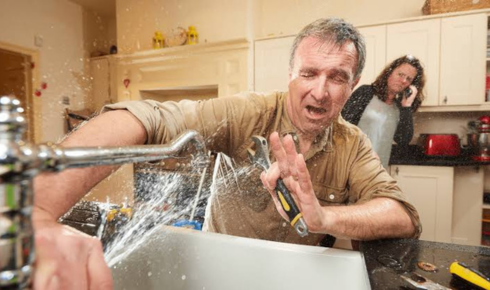
A dripping tap is one of the most common plumbing problems in homes, and it’s usually caused by a worn-out washer or O-ring inside the tap mechanism.
Over time, constant use wears down these rubber components, causing water to seep through even when the tap is closed tight.
How to fix it yourself:
- Turn off the main water supply valve.
- Remove the tap handle using a screwdriver.
- Unscrew the packing nut and take out the stem.
- Replace the old washer or O-ring with a new one (available at any hardware store for a few rupees).
- Reassemble and turn the water supply back on.
This fix usually takes 15-20 minutes and can save hundreds of litres of water monthly.
2. Clogged Drains
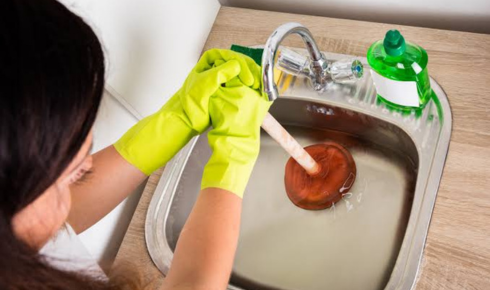
Clogged drains, whether in the kitchen sink or bathroom, are among the most annoying common plumbing problems. Hair, soap scum, grease, and food particles build up over time and block water flow.
Simple DIY solutions:
- Pour a mixture of baking soda and vinegar down the drain, followed by hot water after 15 minutes.
- Use a plunger to create suction and dislodge the blockage.
- A wire hanger bent into a hook can help pull out hair clogs from bathroom drains.
- For tougher clogs, a drain snake (available online for under ₹300) works well.
Avoid chemical drain cleaners frequently, as they can corrode older pipes over time.
3. Running Toilets
A toilet that keeps running even after flushing wastes a significant amount of water daily—sometimes over 200 litres. This is typically caused by a faulty flapper valve or an issue with the fill valve.
Fixing it yourself:
- Remove the toilet tank lid and observe the flapper valve.
- If it’s not sealing properly, replace it (universal flapper kits are cheap and easy to install).
- Check the fill valve height; adjust the float if water is overflowing into the overflow tube.
- Ensure the chain connecting the flush handle to the flapper isn’t too tight or too loose.
This is one of those common plumbing problems that’s often ignored, quietly inflating your water bills.
4. Low Water Pressure
Low water pressure in taps or showers is frustrating and can stem from multiple causes, including mineral buildup, pipe corrosion, or a partially closed valve.
Steps to troubleshoot:
- Unscrew the tap aerator and clean out any mineral deposits or sediment.
- Check if the main shut-off valve is fully open.
- For showerheads, soak them in a vinegar solution overnight to dissolve limescale buildup.
- If only one fixture has low pressure, the problem is likely localized; if it’s throughout the house, check with your water supplier.
Hard water areas, common in many parts of India, often see faster mineral buildup, so this maintenance should be done every few months.
5. Leaking Pipes
Leaking pipes can cause significant water damage if left unattended. Common causes include corrosion, high water pressure, or loose pipe joints.
Temporary and permanent fixes:
- For small leaks, use a rubber patch and hose clamp as a temporary fix.
- Plumber’s epoxy putty can seal minor pipe leaks within minutes.
- For joint leaks, applying Teflon tape and tightening the connection often solves the problem.
- For larger or recurring leaks, pipe replacement is the safer long-term solution.
(Internal link suggestion: link to “How to Detect Hidden Water Leaks in Your Home”)
6. Water Heater Issues
Water heater problems are among the more technical common plumbing problems, but some issues can still be handled without professional help.
DIY troubleshooting:
- No hot water? Check if the circuit breaker has tripped or the pilot light (in gas geysers) has gone out.
- Strange noises from the heater often indicate sediment buildup at the bottom of the tank—flushing the tank annually helps.
- Water heating too slowly could mean the thermostat needs adjustment.
- Always turn off power/gas supply before inspecting any water heater component.
If you smell gas or notice electrical faults, stop immediately and call a professional—safety comes first.
7. Blocked or Overflowing Toilets
A blocked toilet is one of the most urgent common plumbing problems homeowners face, usually caused by excessive toilet paper, foreign objects, or hard waste.
How to unclog it:
- Use a flange plunger (different from a sink plunger) for better suction.
- Pour hot (not boiling) water mixed with dish soap into the bowl and let it sit for a few minutes before plunging.
- A toilet auger can help clear stubborn blockages deeper in the pipe.
- Avoid flushing wet wipes, sanitary products, or excess paper to prevent recurrence.
8. Noisy Pipes
If your pipes bang, whistle, or rattle, it’s usually due to trapped air, loose pipe fittings, or high water pressure—commonly called “water hammer.”
Fixing noisy pipes:
- Secure loose pipes with pipe straps or clamps to reduce vibration.
- Install a water hammer arrestor near noisy fixtures.
- Reduce overall water pressure using a pressure-reducing valve if it’s above 60-80 psi.
- Bleed air from the system by opening the highest faucet in the house briefly.
(Internal link suggestion: link to “Signs You Need to Call a Professional Plumber”)
Frequently Asked Questions
1. What are the most common plumbing problems in homes? The most common plumbing problems include leaky faucets, clogged drains, running toilets, low water pressure, and leaking pipes.
2. Can I fix a leaking pipe without calling a plumber? Yes, minor leaks can be temporarily fixed with epoxy putty, Teflon tape, or a rubber patch, though persistent leaks need professional repair.
3. Why does my toilet keep running after flushing? This usually happens due to a faulty flapper valve or an improperly adjusted fill valve inside the toilet tank.
4. How often should I clean my drains to prevent clogs? Cleaning drains once a month with a baking soda and vinegar solution helps prevent major clogs from forming.
5. Is low water pressure always a plumbing issue? Not always—it can be caused by mineral buildup in fixtures, but widespread low pressure across the house may indicate a supply-side issue.
6. When should I stop DIY fixes and call a professional plumber? If you notice gas smells, electrical issues near water heaters, major structural leaks, or recurring problems despite repairs, it’s time to call an expert.
Conclusion
Most common plumbing problems—from dripping taps to clogged drains and running toilets—can be fixed at home with basic tools, patience, and the right know-how. Regular maintenance, like cleaning aerators and checking for leaks, can prevent bigger issues down the line and save you significant money on plumber visits.
However, always know your limits. Gas leaks, major pipe bursts, or electrical faults near water systems should always be handled by a licensed professional.
Got a plumbing issue you’re still stuck on? Try these DIY fixes first, and if the problem persists, don’t hesitate to call a trusted local plumber before it worsens.
Suggested Image Alt Texts:
- “Person fixing a leaky faucet with a wrench at home”
- “Baking soda and vinegar solution being poured into a clogged kitchen sink drain”
- “Homeowner inspecting toilet tank flapper valve for running toilet repair”