Water pooling in your sink or a slow-draining shower is annoying, but it doesn’t always mean you need to dial a plumber right away. Knowing how to unclog a drain yourself can save you both time and unnecessary repair costs.
Most household clogs are caused by hair, soap residue, grease, or food particles building up over time. The good news is that many of these blockages can be cleared using items you already have at home.
In this guide, we’ll cover practical, tested methods for how to unclog a drain in your kitchen sink, bathroom, and shower—without needing to call a professional.
(Internal link suggestion: link to “Common Plumbing Problems and How to Fix Them Yourself”)
1. Understand What’s Causing the Clog
Before jumping into fixes, it helps to know why your drain is blocked in the first place. Different drains clog for different reasons.
Common causes include:
- Hair and soap scum buildup (bathroom drains)
- Grease, oil, and food scraps (kitchen sinks)
- Mineral deposits from hard water
- Foreign objects accidentally dropped in
Identifying the cause helps you choose the right unclogging method instead of guessing randomly.
2. Try the Boiling Water Method First
This is often the easiest first step when figuring out how to unclog a drain, especially for minor grease or soap buildup.
Steps to follow:
- Boil a kettle or pot of water.
- Pour it slowly down the drain in two to three stages, giving it 30 seconds between pours.
- Run hot tap water afterward to flush out loosened debris.
This method works best on plastic or metal pipes but should be avoided with PVC pipes if the water is boiling hot, as extreme heat can warp the material.
3. Use the Baking Soda and Vinegar Trick
A classic and chemical-free method, this combination creates a fizzing reaction that helps break down organic buildup inside pipes.
How to do it:
- Pour half a cup of baking soda directly into the drain.
- Follow with half a cup of white vinegar.
- Cover the drain opening and let it sit for 15-20 minutes.
- Flush with hot water to clear the loosened debris.
This is one of the safest ways to unclog a drain because it doesn’t involve harsh chemicals that can damage older pipes—common in many Indian households with decades-old plumbing.
4. Plunge It Out
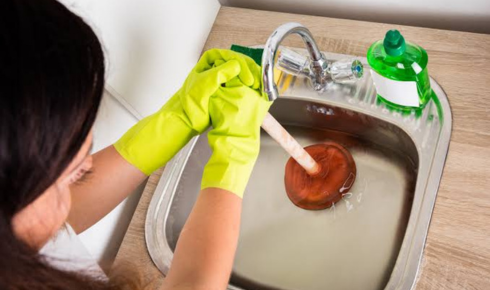
A plunger isn’t just for toilets—it works wonders on sink and shower drains too when you’re trying to figure out how to unclog a drain manually.
Tips for effective plunging:
- Use a cup plunger (not a flange plunger) for flat-surface drains.
- Add a small amount of water to the sink first to create a good seal.
- Cover any overflow openings with a wet cloth to maximize suction.
- Plunge vigorously for 20-30 seconds, then check the drainage.
Repeat the process two to three times if the clog doesn’t clear immediately.
5. Try a Drain Snake or Wire Hanger
For stubborn clogs, especially hair-related ones in bathroom drains, a drain snake is one of the most effective tools available.
Using a drain snake:
- Insert the snake into the drain until you feel resistance.
- Twist and push gently to latch onto the clog.
- Pull the snake back out slowly, removing trapped debris.
- Run water to check if drainage has improved.
If you don’t own a drain snake, a straightened wire hanger with a small hook at the end works as a budget-friendly alternative for shallow clogs.
6. Clean the P-Trap
Sometimes clogs sit deeper in the pipe, specifically inside the P-trap—the curved pipe beneath your sink.
Steps to clean it:
- Place a bucket underneath the P-trap to catch water.
- Unscrew the slip nuts on either side using pliers if needed.
- Remove the trap and clear out any trapped debris, hair, or grime.
- Reattach the trap securely and run water to test for leaks.
This method is slightly more hands-on but highly effective for persistent clogs that other methods can’t fix.
7. Use an Enzyme-Based Drain Cleaner
If you prefer a gentler alternative to harsh chemical cleaners, enzyme-based cleaners use natural bacteria to break down organic waste in pipes.
Why choose enzyme cleaners:
- Safer for septic systems and older pipes
- Environmentally friendly compared to caustic chemicals
- Works well for ongoing maintenance to prevent future clogs
Simply pour the recommended amount down the drain before bed and let it work overnight for best results.
8. Prevent Future Clogs
Once you’ve cleared the blockage, a little prevention goes a long way in avoiding repeat problems.
Simple preventive habits:
- Use drain guards to catch hair and food particles.
- Avoid pouring cooking oil or grease down the kitchen sink.
- Run hot water through drains weekly to prevent buildup.
- Clean drain guards and stoppers regularly.
(Internal link suggestion: link to “Essential Plumbing Tools Every Home Should Have”)
Frequently Asked Questions
1. How to unclog a drain without harsh chemicals? Baking soda and vinegar, boiling water, and plunging are all effective chemical-free methods to unclog a drain safely.
2. What household items can unclog a drain fast? Baking soda, vinegar, boiling water, and a plunger are the most commonly available items that work well for minor clogs.
3. Why does my sink drain slowly even after cleaning? This could indicate a deeper clog in the P-trap or main pipe, which may need a drain snake or professional inspection.
4. Is it safe to use boiling water on all types of pipes? No, boiling water can damage PVC pipes over time; it’s safer for metal or ceramic pipe systems.
5. How often should I clean my drains to prevent clogs? Cleaning drains once every 2-3 weeks with baking soda and vinegar helps prevent major buildup and blockages.
6. When should I call a plumber instead of trying DIY methods? If multiple drains in your house are clogged simultaneously, or water backs up despite repeated attempts, it’s time to call a professional plumber.
Conclusion
Learning how to unclog a drain yourself doesn’t require expensive tools or professional expertise—just a bit of patience and the right technique. From boiling water and baking soda to using a plunger or drain snake, most clogs can be cleared using items already in your home.
Regular maintenance, like using drain guards and avoiding grease disposal in sinks, can prevent future blockages altogether.
If your drain remains clogged despite trying these methods, it might indicate a more serious plumbing issue—don’t hesitate to consult a trusted local plumber to avoid further damage.
Suggested Image Alt Texts:
- “Baking soda and vinegar mixture being poured into a clogged bathroom sink drain”
- “Person using a plunger to unclog a kitchen sink drain”
- “Drain snake tool being inserted into a bathroom drain to remove hair clog”