Better Water Starts at Home: Understanding Filtration, Softening, and Water Quality Testing
Clean water is one of those things most people take for granted—until something changes. Maybe the tap water suddenly tastes different, glasses develop cloudy marks, or the shower leaves your skin feeling unusually dry. Sometimes the problem is obvious. Other times, you just know the water doesn’t seem quite right.
The good news is that improving household water quality doesn’t always mean buying the most expensive system available. Understanding what’s actually in your water is the first step. From filtration to softening and professional testing, each solution serves a different purpose.
Why Water Quality Matters More Than You Think
Water can look perfectly clear and still contain minerals, sediment, chlorine, or other unwanted substances. Municipal water supplies are treated and monitored, but the quality reaching your home can also be affected by aging pipes, plumbing fixtures, or local water conditions.
For households using private wells, testing becomes even more important because groundwater conditions can vary significantly. A change in taste, smell, color, or staining may be a useful clue that something deserves attention.
That doesn’t mean every unusual taste is a serious problem, though. Sometimes it’s simply hard water or harmless minerals. The trick is knowing the difference.
What Water Filtration Actually Does
water filtration is primarily designed to reduce specific unwanted substances from your water. Depending on the type of filter, it may help reduce sediment, chlorine, unpleasant odors, certain chemicals, or other contaminants.
There isn’t one filter that does everything. Activated carbon filters, for example, are commonly used for improving taste and odor, while other systems are designed for more specialized treatment.
This is why choosing a filtration system based only on advertising claims can be a mistake. Before purchasing anything, find out what you actually need to remove. A filter designed for one issue may do very little for another.
Understanding Hard Water and Water Softening
Hard water is extremely common, especially in areas where groundwater contains higher levels of calcium and magnesium. These minerals aren’t usually something people notice immediately, but over time they can leave scale on faucets, showerheads, sinks, and appliances.
A proper water softening system works differently from a standard drinking-water filter. Traditional water softeners are designed mainly to reduce hardness minerals, helping prevent scale and making soaps and detergents work more effectively.
You may notice practical differences after treatment. Clothes can feel less stiff, shower doors may collect less mineral buildup, and appliances such as water heaters can benefit from reduced scale. Still, softening isn’t necessarily the answer to every water-quality concern.
Why Testing Should Come Before Buying Equipment
One of the easiest mistakes homeowners make is purchasing equipment before understanding their water. It’s tempting when a company promises an instant solution, but water quality isn’t one-size-fits-all.
A proper test can provide useful information about hardness, pH, dissolved minerals, and other characteristics. Depending on your location and water source, additional testing may also be appropriate.
Some providers offer a free water comparison test that lets homeowners see how their existing water compares with treated water. While these demonstrations can be useful, it’s worth asking what exactly is being tested and whether the results are based on an actual laboratory analysis or simply a sales demonstration.
Choosing the Right System for Your Home
Once you know what’s happening with your water, choosing equipment becomes much easier. If your biggest concern is taste or odor, a drinking-water filtration system may be enough. If mineral scale is the problem, a softener could make more sense.
Some homes may benefit from both.
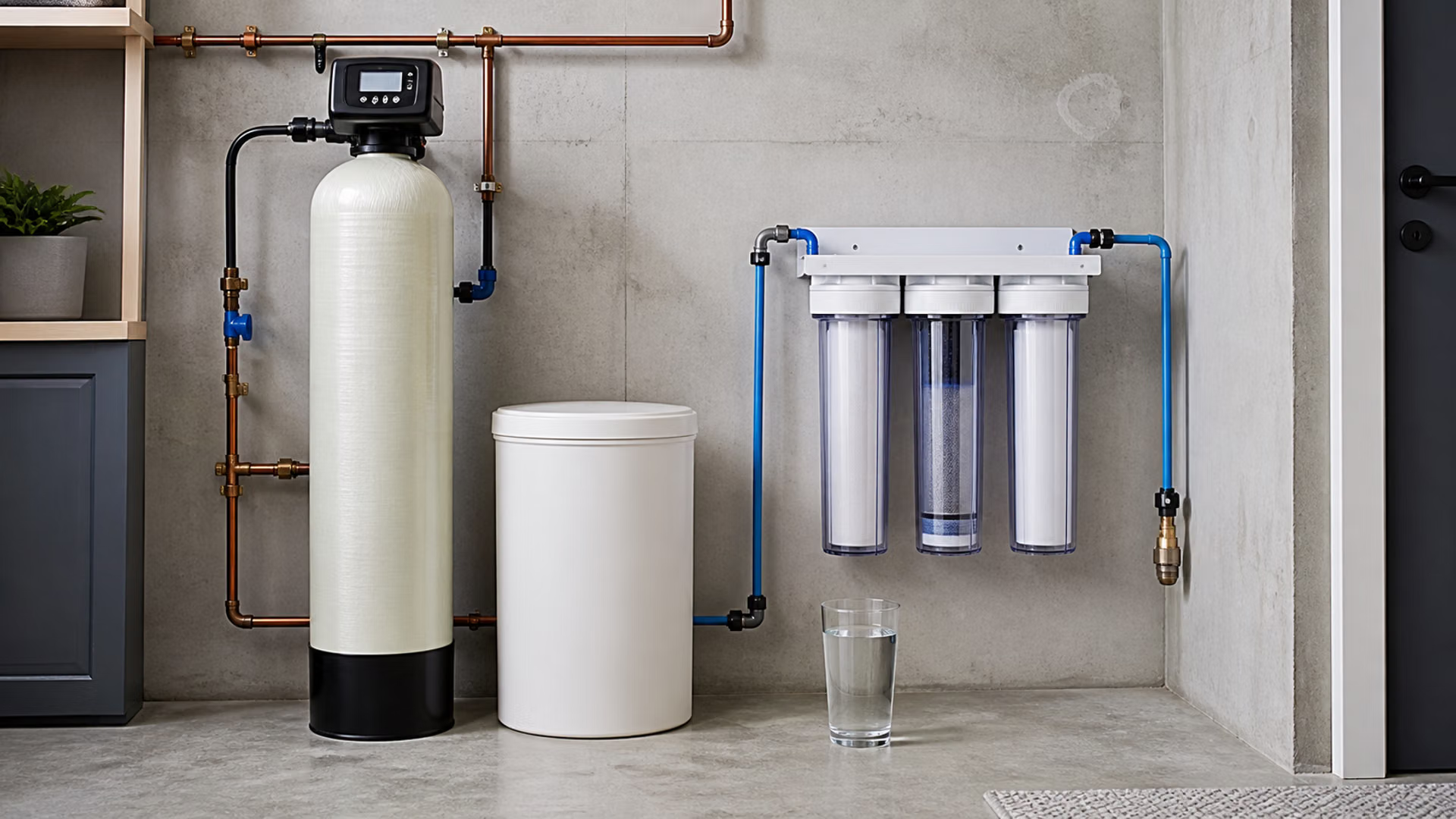
It’s also important to think about where treatment should happen. Point-of-use systems treat water at a specific tap, while whole-house systems treat water before it travels throughout the plumbing. Your household size, water source, plumbing setup, and budget all matter here.
And don’t forget maintenance. Filters need replacing, softeners need attention, and treatment equipment should be checked according to the manufacturer’s recommendations. A system that sits forgotten in a basement won’t perform at its best forever.
Don’t Ignore the Small Warning Signs
Water problems often reveal themselves gradually. White deposits around faucets, persistent chlorine taste, unusual odors, frequent appliance scale, or changes in water appearance can all be reasons to investigate.
None of these signs automatically means your water is unsafe. They simply suggest that it may be worth testing rather than guessing.
For families, renters, and homeowners alike, knowing what comes out of the tap can provide peace of mind. It can also prevent spending money on equipment that doesn’t address the actual problem.
A Smarter Approach to Cleaner Water
Good water treatment starts with information, not a sales pitch. Test the water, understand the results, identify the specific problem, and then choose a treatment method that addresses it.
Filtration and softening can both improve the experience of using water at home, but they solve different problems. Testing helps connect the two decisions and gives homeowners a clearer picture of what they really need.
Ultimately, the goal isn’t to have the biggest or most complicated water-treatment system. It’s to have water that’s appropriate for your household, your plumbing, and your everyday needs. A little research upfront can save money, reduce frustration, and make one of the most important resources in your home feel a whole lot better.