The Science of Water: How Better Water Quality Improves Everyday Life
Water is one of those things most people barely think about until something goes wrong. We turn on the tap, fill a glass, make coffee, wash vegetables, or take a shower, expecting the water to simply do its job. Yet the quality of that water can affect far more than we realize. Taste, smell, mineral content, plumbing, appliances, and even how clean our skin feels after a shower can all be influenced by what is flowing through the pipes.
Understanding the science of water doesn’t mean becoming a chemistry expert. It simply means knowing what is in your water, why it matters, and what you can do when the quality isn’t quite what you want. Once you understand the basics, choosing the right treatment method becomes much less confusing.
What Actually Determines Water Quality?
Water may look perfectly clear and still contain dissolved minerals, gases, microorganisms, or other substances. Natural water picks up materials as it moves through soil, rocks, groundwater systems, and pipes. That’s why water quality can vary considerably from one location to another.
Common substances found in water include calcium, magnesium, iron, chlorine, and various dissolved solids. Some are naturally occurring and harmless at normal levels, while others may need attention depending on their concentration and local conditions.
Water hardness is a particularly common issue. Hard water contains higher levels of calcium and magnesium. It isn’t necessarily unsafe to drink, but it can leave mineral deposits on faucets, shower doors, dishes, and appliances. Over time, those deposits can become a real nuisance.
Why Water Can Taste Different From One Home to Another
Have you ever visited someone else’s home and noticed that their tap water tastes different? You’re not imagining it. Water has a character of its own, influenced by its mineral composition, treatment process, temperature, and even the pipes it travels through.
Chlorine, for example, is commonly used to disinfect municipal water. While it serves an important purpose, some people notice its distinctive smell or taste. Minerals can also change the flavor. A small amount may add character, while excessive mineral content can make water taste metallic, earthy, or unpleasant.
This is where filtration can make a noticeable difference. A suitable filtration system can reduce certain unwanted substances without stripping everything from the water. The goal isn’t necessarily to make water completely devoid of minerals. It’s about creating a balance that suits the household.
The Connection Between Water and Daily Comfort
Good water isn’t only about what’s inside your drinking glass. Think about how often you interact with water every day. You wash your hands, shower, cook, clean dishes, do laundry, and use water-powered appliances constantly.
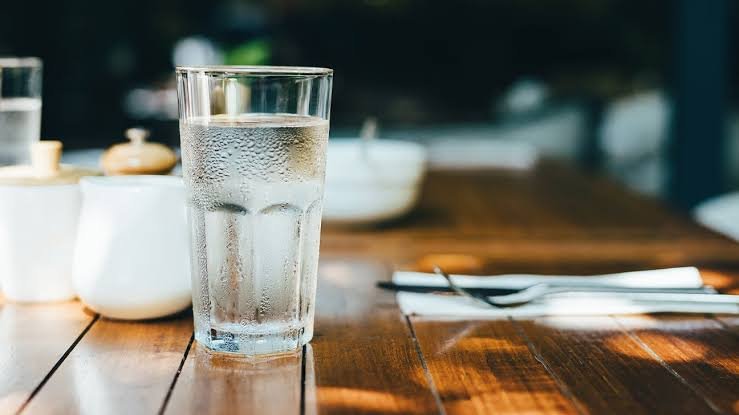
For many households, great tasting water encourages people to drink more water simply because they enjoy it. That sounds like a small benefit, but small habits add up. A chilled glass of clean, pleasant-tasting water can be far more appealing than reaching for a sugary drink.
Water quality can also influence cooking. Coffee, tea, soups, rice, and other foods are largely water-based, so the flavor of the water can subtly affect the finished result. Serious coffee drinkers know this particularly well. Sometimes the difference between an average cup and a really satisfying one starts with the water.
Is Soft Water Better for Your Home?
Hard water is common, and although it isn’t automatically a health concern, it can create practical headaches. Mineral buildup may occur inside pipes and water heaters, reducing efficiency over time. Soap can also react with calcium and magnesium, making it harder to create a good lather.
A water softener works by reducing the concentration of hardness minerals, usually through an ion-exchange process. In simple terms, calcium and magnesium ions are exchanged for sodium or potassium ions as water passes through the softening material.
The result is soft water that can feel noticeably different during showers and make cleaning easier. Many homeowners also appreciate fewer white spots on dishes and less scale around faucets. Still, a softener isn’t a universal solution. If your main concern is drinking-water contaminants, you may need filtration or another treatment method as well.
What About Drinking Water and Health?
Clean drinking water is an important part of a healthy lifestyle, but it’s worth avoiding exaggerated claims. Water treatment systems aren’t magic devices, and no single filter removes every possible contaminant.
The right approach starts with testing. A professional water analysis can identify hardness, pH, iron, chlorine, total dissolved solids, and other characteristics relevant to your water source. Once you know what’s actually present, you can choose a treatment system based on evidence rather than guesswork.
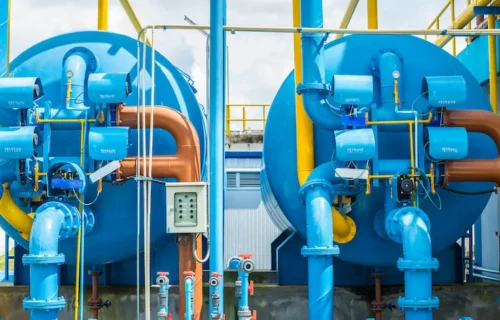
For people concerned about drinking quality, healthy water means water that meets appropriate safety standards and is suitable for regular consumption. Depending on the situation, treatment options may include sediment filters, activated carbon, reverse osmosis, UV purification, or water softeners.
Choosing the Right Water Treatment System
There isn’t one perfect system for every home. A family using municipal water may have different needs from someone relying on a private well. Likewise, a household struggling with hard water needs a different solution from one dealing primarily with chlorine taste.
Before buying anything, consider a few practical questions:
- Where does your water come from?
- Has the water been professionally tested?
- Is hardness your main concern?
- Are you worried about taste or odor?
- Do you need whole-house treatment or drinking-water filtration?
- How much maintenance will the system require?
- What are the ongoing costs for filters, salt, or replacement parts?
It’s also wise to think beyond the initial purchase price. A cheaper system that requires frequent replacement parts may cost more over several years than a well-designed system with reasonable maintenance requirements.
Making Water Quality Part of a Better Home
Water quality is easy to overlook because the benefits of good water aren’t always dramatic. There’s no flashing warning light when your faucet develops scale or your coffee starts tasting slightly off. Instead, the difference shows up gradually—in cleaner dishes, easier showers, better-tasting drinks, and appliances that stay in better condition.
The smartest approach is simple: understand your water first, then treat the specific problems that actually exist. Testing provides the information, while the right treatment system turns that information into practical improvement.
After all, water is part of nearly everything we do at home. Giving it a little more attention isn’t overthinking the basics. It’s simply making sure something we depend on every single day is working as well as it can.