When Your Home Needs Help: A Practical Guide to Plumbing, Emergency Repairs, and Water Heaters
A home usually gives you plenty of warning before something goes seriously wrong. A tap starts dripping. The shower drains a little slower. Maybe there’s an odd sound coming from the basement. We often notice these small things and think, “I’ll deal with it this weekend.” And then, of course, Saturday arrives and the problem has become much bigger.
That’s why understanding basic home water systems matters. You don’t need to become a professional tradesperson, but knowing what to watch for can save money, reduce damage, and make stressful situations easier to handle.
Why Small Plumbing Problems Shouldn’t Be Ignored
Most homeowners don’t think about plumbing until something stops working. It’s one of those systems that quietly does its job every day, carrying clean water into the house and wastewater away.
A slow drain might seem harmless, but it can point to a developing blockage. A dripping faucet may waste more water than you expect over time. Damp spots under a sink, peeling paint near a bathroom, or an unexplained increase in your water bill can also be clues that something isn’t quite right.
The good news is that early attention often means a simpler repair. A professional can identify the source of the problem before it turns into damaged cabinets, flooring, walls, or ceilings.
Knowing When a Problem Is an Emergency
Not every household repair requires immediate attention. A loose faucet handle can probably wait until morning. A burst pipe cannot.
Water spreading across the floor, a major leak behind a wall, sewage backing up into the home, or a complete loss of water can quickly become serious. In these situations, quick action is more important than trying to figure everything out yourself.
Reliable emergency services can help limit the damage when a problem happens outside normal working hours. If you can safely reach the main water shut-off valve, turning off the supply is often a sensible first step. Then contact a qualified professional rather than attempting a complicated repair with a YouTube tutorial and a wrench you found in the garage.
The Water Heater Deserves More Attention
Hot showers are something most people take for granted. Until the water suddenly turns cold.
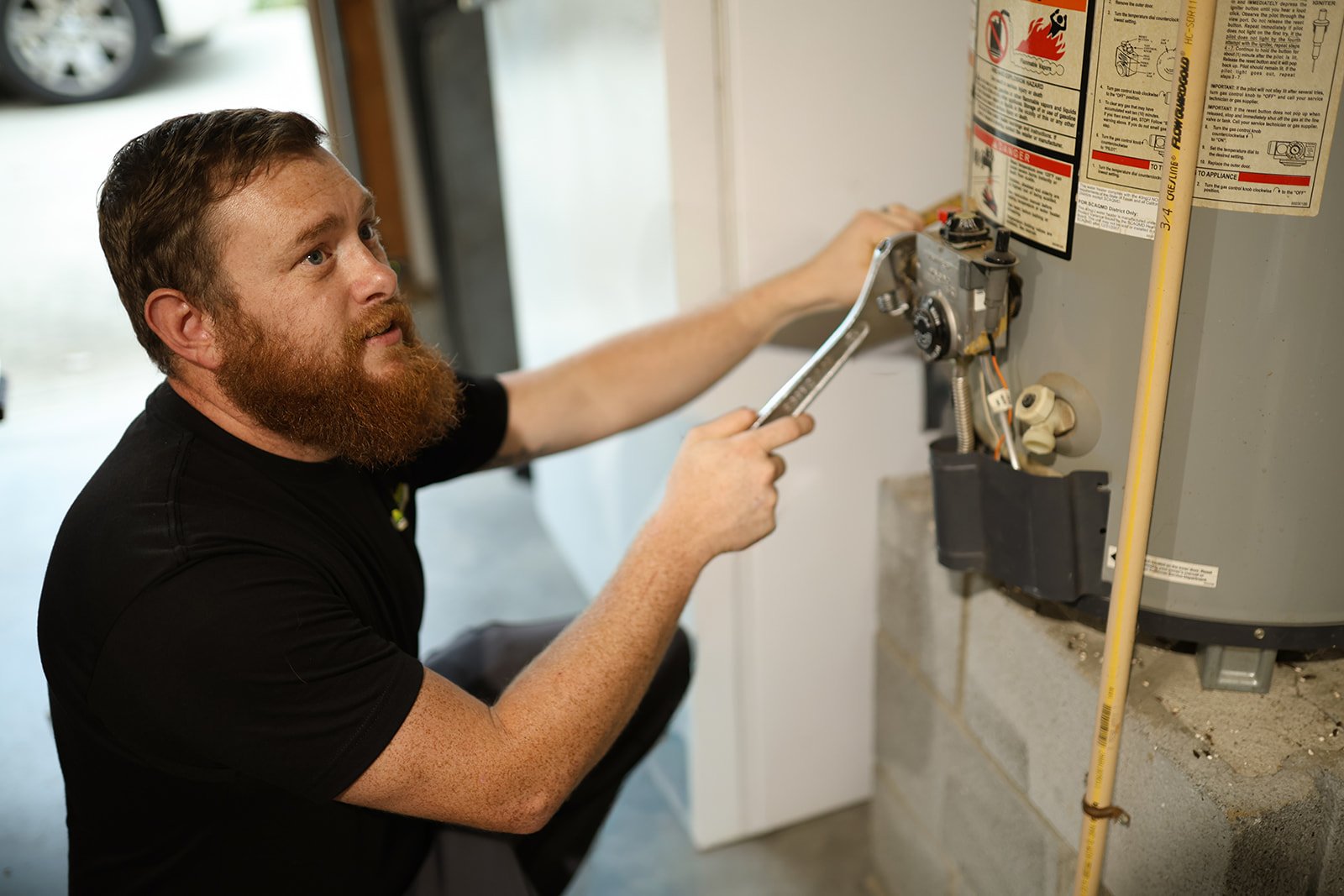
A water heater works hard every day, and like any other household appliance, it needs attention. Strange noises, rusty-looking water, inconsistent temperatures, leaks around the tank, or water that takes unusually long to heat can all indicate a developing issue.
Regular inspection can help identify problems before the unit fails completely. For traditional tank-style heaters, sediment can build up inside the tank over time. This can reduce efficiency and put extra strain on the system. Depending on the type and age of the unit, professional maintenance may help extend its useful life.
How Regular Maintenance Saves Money
Preventive maintenance isn’t particularly exciting. Nobody wakes up excited to inspect a drain line. Still, it can be one of the smartest things a homeowner does.
Simple habits make a difference. Check under sinks occasionally. Look around toilets for signs of moisture. Keep an eye on exposed pipes during very cold weather. Don’t ignore recurring drain problems. If a faucet has been dripping for months, fix it instead of placing a bowl underneath it forever.
Professional inspections are useful too, especially for older homes. A trained technician can spot signs of corrosion, pressure problems, leaks, or worn components that may not be obvious to an untrained eye.
A Few Habits Can Prevent Bigger Problems
There are several things homeowners can do without special equipment. Avoid putting grease, coffee grounds, and unsuitable materials down kitchen drains. Use drain covers where appropriate to catch hair and debris. Don’t flush items that aren’t designed to go through a toilet.
It’s also worth knowing where your main water shut-off valve is located. When a pipe suddenly breaks, searching for the valve while water is pouring across the floor is not exactly the ideal moment to learn.
If you live in a cold climate, protecting exposed pipes during freezing temperatures is equally important. Even a small frozen section can cause significant pressure inside a pipe and eventually lead to a break.
Choosing the Right Professional
When hiring a contractor or technician, price shouldn’t be the only consideration. A very cheap quote isn’t much of a bargain if the repair has to be done twice.
Look for properly trained professionals with appropriate licensing or credentials where required. Ask what the repair involves, whether parts and labor are covered, and whether the company provides written estimates. Good professionals should be willing to explain the issue in straightforward language.
Reviews can also help, but don’t rely entirely on star ratings. Read what previous customers actually say. Were technicians punctual? Did they explain the work? Were there unexpected charges? Those little details often tell you more than a perfect-looking rating.
Your Home’s Water System Is Worth Protecting
Home maintenance isn’t about preventing every possible problem. Things break. Pipes age. Appliances eventually reach the end of their useful lives. That’s simply part of owning a home.
What you can control is how quickly you respond.
Pay attention to unusual sounds, leaks, water pressure changes, strange smells, and temperature problems. Handle small repairs before they become major ones, and don’t hesitate to call a qualified professional when a situation is beyond your comfort level.
A little attention today can prevent a very expensive headache tomorrow. And honestly, that’s a pretty good reason to give the pipes, drains, and hot water system a little more respect.