Why Better Water Analysis Matters for a Healthier Home
Clean-looking water isn’t always clean water. That’s the part many homeowners discover a little too late. Water can appear perfectly clear in a glass while carrying minerals, metals, salts, microorganisms, or other unwanted substances that affect taste, plumbing, and everyday use.
This is why water analysis deserves more attention than it usually gets. Rather than guessing which treatment system you need, testing gives you a clearer picture of what’s actually happening in your water. And honestly, that can save money, frustration, and plenty of unnecessary maintenance down the road.
Understanding What’s Really in Your Water
Water quality can vary dramatically depending on where it comes from. Municipal water typically goes through treatment before reaching homes, but its composition can still change during distribution. Well water is a different story altogether. Its mineral content often depends on local soil, rock formations, groundwater conditions, and nearby activities.
Some water-quality concerns are obvious. A rotten-egg smell, metallic taste, cloudy appearance, or reddish stains around sinks can be a warning sign. Other issues are much harder to notice.
Hardness is a common example. Water containing high levels of calcium and magnesium may leave white deposits on faucets and showerheads. It can also make soap less effective and gradually create scale inside pipes and appliances.
Then there are dissolved substances that don’t leave visible clues.
Why Total Dissolved Solids Deserve Attention
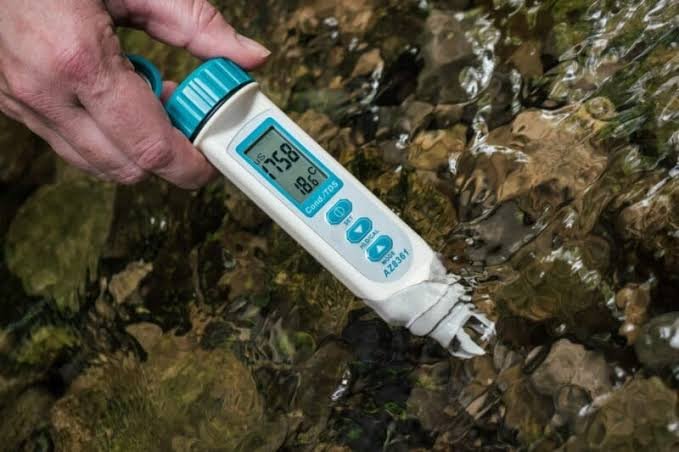
One useful measurement in water testing is total dissolved solids, commonly abbreviated as TDS. It refers broadly to the concentration of dissolved substances in water, including minerals, salts, and other inorganic materials.
TDS by itself doesn’t tell you whether water is safe or unsafe. That’s an important distinction. A higher reading isn’t automatically proof of contamination, just as a lower reading doesn’t guarantee perfect water quality. Instead, it provides useful information about the water’s overall mineral and dissolved-material content.
For homeowners, tracking TDS can be helpful when evaluating changes in water quality or monitoring certain treatment systems. If a reading suddenly shifts, for instance, it may be worth investigating what has changed.
Still, TDS should be viewed as one piece of the puzzle rather than the entire picture. Specific testing may be necessary for bacteria, lead, arsenic, nitrates, iron, fluoride, hardness, or other substances depending on the water source.
Testing Can Prevent the Wrong Treatment
It’s tempting to buy a water softener because the water feels hard, or install a filter because the taste seems unusual. Sometimes that works. Sometimes it means spending money on equipment that doesn’t address the actual problem.
A proper test helps narrow things down.
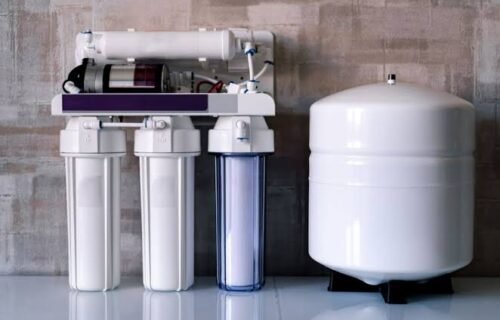
If hardness is the issue, a softening system may make sense. If sediment is entering the water, filtration could be more appropriate. If microorganisms are a concern, disinfection may be necessary. And in some situations, several treatment stages work together.
This matters because water treatment isn’t really a one-size-fits-all business. A system that works beautifully for one house may be completely unnecessary—or inadequate—for another.
The Role of Chlorination in Water Treatment
For water supplies where microbial contamination is a concern, chlorination remains one of the most established methods of disinfection. Chlorine can help control many disease-causing microorganisms and is widely used in municipal water treatment.
In private water systems, chlorine-based treatment can also be used under appropriate conditions. The setup, concentration, contact time, and water chemistry all matter, though. Simply adding more chlorine isn’t a better solution.
That’s where testing and professional guidance become important. Water chemistry can influence how treatment performs, and excessive disinfectant can create its own problems, including unpleasant taste and odor.
Some households use alternative technologies such as ultraviolet treatment, ozone, or advanced filtration. The right choice depends heavily on what’s actually present in the water.
Don’t Ignore the Plumbing
Water quality isn’t just about what comes out of the drinking glass. Your plumbing system has to deal with that water every day.
Hard water can contribute to mineral scale. Iron can leave stubborn orange or brown stains. Sediment may collect in fixtures and appliances. Certain water conditions can gradually affect water heaters, washing machines, dishwashers, and other equipment.
That’s why improving water quality can sometimes have benefits beyond drinking and cooking. Better-managed water may help reduce maintenance and keep household equipment working more efficiently.
Of course, no treatment system eliminates every possible plumbing issue. Regular inspection still matters.
How Often Should Water Be Tested?
There isn’t one universal testing schedule for every household. The right frequency depends on the water source, local conditions, previous test results, and any changes around the property.
Well owners generally have more reason to monitor their water regularly because groundwater conditions can change. Testing is also sensible when there is a noticeable change in taste, odor, color, or appearance.
After flooding, major plumbing work, changes to a private well, or nearby construction, additional testing may also be worthwhile.
The key idea is simple: don’t wait for a serious problem before paying attention to your water.
Making Sense of Your Test Results
Water reports can look intimidating at first. There may be a long list of measurements, units, recommended limits, and technical terminology. You don’t necessarily need to become a water-quality scientist overnight.
Start by identifying the results that relate most directly to your concerns. If you’re dealing with staining, look at iron and manganese. For scaling, hardness is particularly relevant. If you’re concerned about microbial quality, examine the appropriate bacteria results.
And don’t focus on a single number without understanding what it means. Context matters.
A qualified water-treatment professional or laboratory can help interpret results and explain which solutions, if any, are appropriate.
Better Water Starts With Better Information
There’s something reassuring about knowing what you’re dealing with. Instead of buying treatment equipment based on a hunch, testing lets you make decisions based on evidence.
Good water management isn’t necessarily about installing the most expensive system available. It’s about identifying the actual problem, choosing a treatment method suited to that problem, and maintaining the equipment properly over time.
For homeowners, that approach is usually simpler and more practical. Test first. Understand the results. Then treat what needs treating.
Because when it comes to something your family uses every single day, guessing really isn’t a great strategy. Clean, dependable water starts with knowing what’s in it—and that begins with a thoughtful look at the quality of the water flowing through your home.