Water is one of those things we rarely think about until something seems off. Maybe the shower suddenly leaves white spots on the glass. Perhaps your drinking water has an odd taste, or the sink develops a stubborn ring that seems impossible to scrub away. These everyday annoyances can be signs that the water entering your home contains minerals, sediments, chlorine, or other unwanted substances.
That’s where modern water treatment becomes useful. It isn’t simply about making water look clearer. A well-planned approach can improve water quality, protect plumbing fixtures, and make everyday water more pleasant to use. The trick is understanding what your water actually needs instead of buying the first system that promises to solve everything.
Start by Understanding Your Water
Not all water problems are the same. Municipal water and private well water can have very different characteristics, and even neighboring homes may experience different issues depending on their plumbing and local supply.
Hard water is one of the most common complaints. It contains elevated levels of minerals such as calcium and magnesium. These minerals aren’t necessarily a sign that water is unsafe, but they can create plenty of household headaches. Soap may struggle to lather, dishes can develop cloudy marks, and mineral deposits may gradually collect inside pipes and appliances.
Other concerns are more about taste, odor, or specific contaminants. Chlorine, sediment, iron, sulfur compounds, and certain metals can affect the water coming from a tap. The first sensible step, therefore, is testing. A basic water analysis can tell you far more than guessing based on stains around the faucet.
What Water Softeners Actually Do
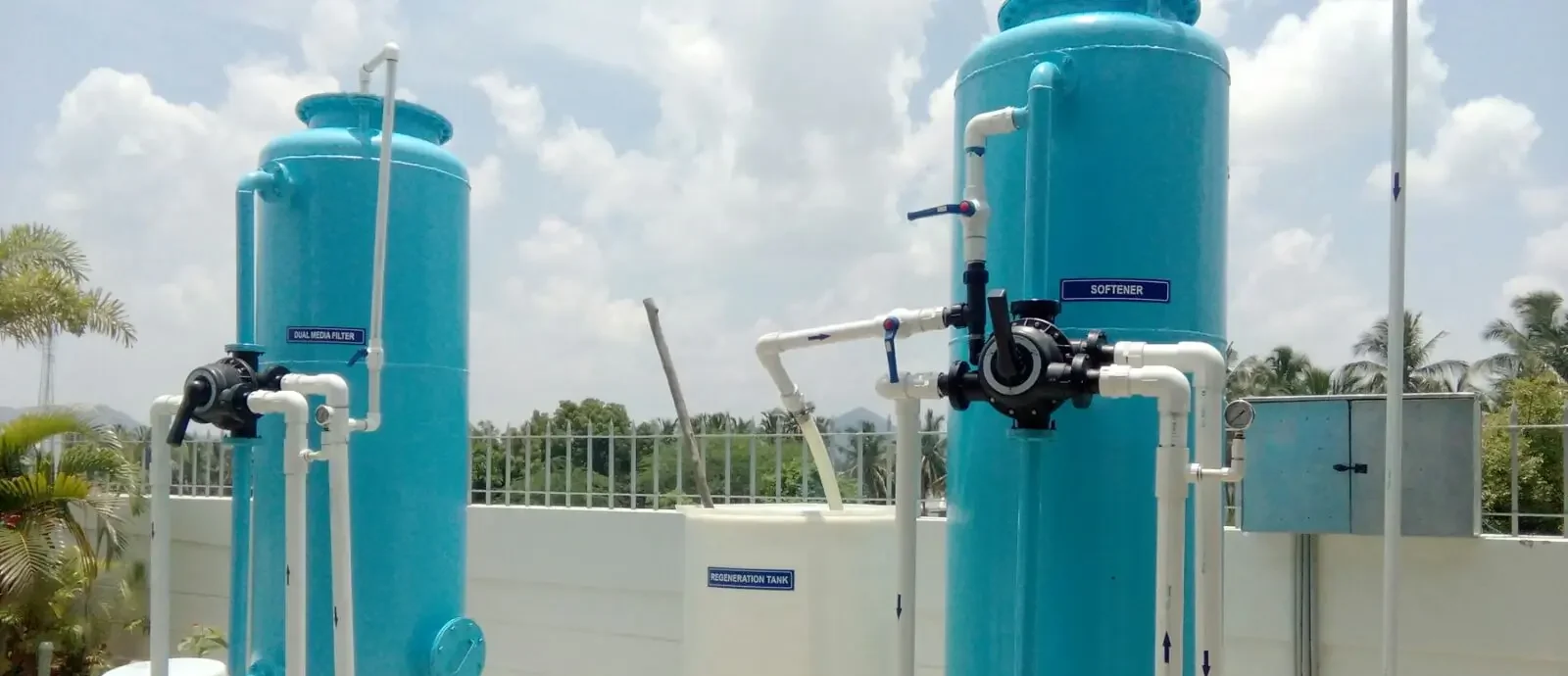
If hard water is the main issue, water softeners can make a noticeable difference. Traditional ion-exchange softeners work by reducing calcium and magnesium ions in the water and replacing them with sodium or, in some systems, potassium ions.
The result is water that behaves differently around the house. Soap tends to rinse more easily, mineral scale can be reduced, and appliances that use heated water may have less buildup over time.
You may notice the difference in small ways first. Your shower door might stay cleaner. Towels can feel less stiff. The heating element inside a water heater may not have to fight through as much scale.
Still, a softener isn’t a universal purifier. That’s an important distinction. It is designed primarily for hardness, not for removing every possible contaminant. If your concern is bacteria, lead, pesticides, chlorine taste, or sediment, another treatment method may be needed.
Why Water Filtration Matters
Filtration focuses on removing particular unwanted particles or substances from water. Depending on the technology, a filter may reduce sediment, chlorine, certain chemicals, metals, or microorganisms.
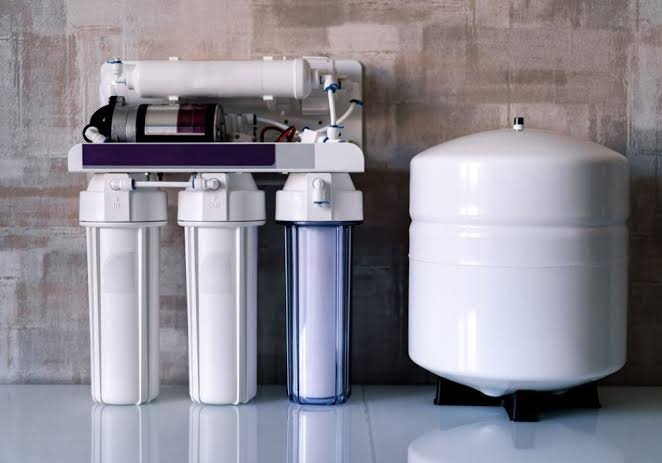
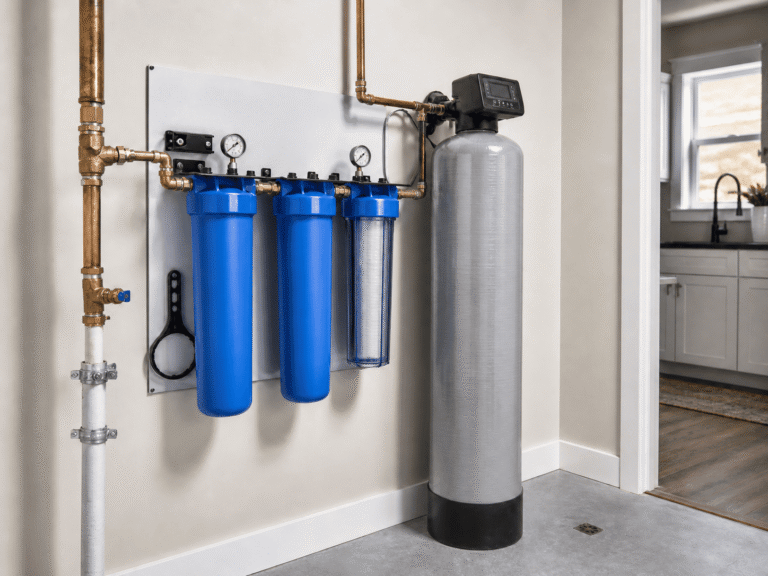
A whole-home water filtration system can treat water as it enters the property, giving households cleaner water at multiple taps. Point-of-use filters, meanwhile, are installed at individual faucets or drinking-water lines and can be a practical choice when the main concern is cooking and drinking water.
There isn’t one perfect filter for every home. Activated carbon, sediment filters, reverse osmosis, ultraviolet treatment, and other technologies each have different strengths. Choosing the right one means matching the technology to the actual water problem.
For example, a sediment filter can capture physical particles but won’t necessarily remove dissolved minerals. Reverse osmosis can reduce a broad range of dissolved substances, but it isn’t always necessary for every household. That’s why testing before purchasing equipment is more than a nice extra—it can prevent wasted money.
Whole-Home Treatment Can Protect More Than Drinking Water
When people hear “water quality,” they often think about drinking water first. That’s understandable. But the water used for bathing, laundry, cleaning, and appliances matters too.
Hard water can contribute to scale inside plumbing and equipment. Sediment may collect in fixtures or valves. Certain water conditions can also create unpleasant odors that make an otherwise clean bathroom feel, well, not so clean.
A whole-home approach can address these concerns at the point where water enters the property. Depending on the results of testing, a system might combine sediment filtration, carbon filtration, softening, or another specialized treatment method.
The benefit is convenience. Instead of treating one faucet and ignoring everything else, the household can address water quality more broadly.
Don’t Overlook Your Plumbing
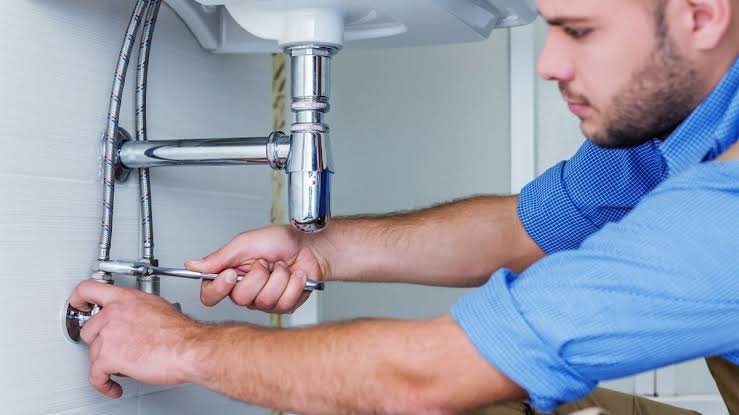
Water quality and plumbing health are closely connected. Mineral deposits can gradually accumulate inside pipes and fixtures, restricting flow and contributing to premature wear. Hard water can also make water heaters and other appliances work less efficiently when scale becomes significant.
Of course, treatment equipment isn’t a substitute for proper plumbing maintenance. A leaking pipe won’t fix itself because you installed a filter. Old fixtures may still need replacement, and poor water pressure can have several causes.
Think of treatment as one part of a larger home-maintenance strategy. Testing, regular inspections, appropriate filtration, and timely repairs all work better together.
Choosing a System Without Guesswork
Shopping for a treatment system can quickly become confusing. There are dozens of products, technologies, capacities, and promises. Bigger isn’t automatically better, and the most expensive system isn’t necessarily the right one.
Consider a few practical questions:
- What contaminants or minerals are actually present?
- Is the problem throughout the house or only at one faucet?
- How many people regularly use the water?
- Does the property rely on municipal water or a private well?
- How much maintenance will the system require?
- What are the ongoing costs for filters, salt, electricity, or servicing?
Professional installation can also matter, especially when multiple treatment technologies need to work together. An improperly sized or poorly installed system may not perform as expected.
Cleaner Water Is About More Than Convenience
There’s something reassuring about turning on a tap and knowing the water is being treated for the issues that actually affect your home. It means fewer mineral stains, better-tasting drinking water, and potentially less stress on water-using appliances.
But good water quality doesn’t come from blindly installing equipment. It starts with understanding the water itself.
Test first. Identify the problem. Then choose the treatment method that makes sense.
Sometimes the answer may be a simple filter. Sometimes a softener is the missing piece. In other homes, a combination of technologies may be the better solution. The goal isn’t to create the most complicated system possible. It’s to create a practical one that fits the household and does its job quietly in the background.
And honestly, that’s how good home systems should work. You shouldn’t have to think about them every day. You should simply notice that the water feels, tastes, and behaves better.