Water is one of those things most of us take for granted. Turn on the tap, fill a glass, run the shower, and move on with the day. But when water starts leaving white spots on dishes, making your skin feel dry, or developing an odd taste or smell, it becomes pretty clear that not all household water is created equal.
That’s where water treatment can make a real difference. The goal isn’t simply to make water look cleaner. A well-planned treatment system can address specific issues in your home’s water, from hardness and sediment to unpleasant odors and certain unwanted contaminants. The trick is figuring out what your water actually needs rather than buying the first system that happens to catch your eye.
Start by Understanding Your Water
Before choosing any equipment, it helps to know what’s in the water coming into your home. Municipal water and private well water can have very different characteristics, and even two homes in the same neighborhood may experience different problems.
Hard water, for example, contains elevated levels of minerals such as calcium and magnesium. It’s generally not a reason to panic, but over time it can create scale inside plumbing fixtures and appliances. You may notice cloudy glassware, soap that doesn’t lather well, or crusty deposits around faucets.
Other households may deal with sediment, chlorine taste, sulfur odors, iron staining, or other water-quality concerns. Testing provides a much clearer starting point than guessing.
Why Hard Water Can Be Such a Nuisance
Hard water is a common household complaint, especially in areas where groundwater contains naturally occurring minerals. You might not notice the problem immediately. Then one day the showerhead looks chalky, the kettle has a layer of buildup, and the laundry somehow never feels quite as soft as it should.
A water softener works by reducing the concentration of hardness minerals in the water. Traditional ion-exchange systems, for instance, use resin to exchange calcium and magnesium ions for sodium or potassium ions.
Choosing equipment isn’t just about capacity, though. Household size, water usage, incoming water hardness, regeneration settings, and plumbing configuration all matter. A system that’s perfectly suited to one family may be unnecessarily large—or simply inadequate—for another.
Choosing the Right Water Softener
There are plenty of products on the market, and that’s where things can get confusing. Some systems focus mainly on softening, while others combine several treatment technologies. Salt-based softeners, salt-free conditioners, filtration systems, and whole-home treatment setups all work differently.
When comparing water softener companies, look beyond the equipment itself. Ask whether the company tests your water, explains the results clearly, provides installation, and offers maintenance after the sale.
A good provider shouldn’t make you feel as though you’re being rushed into a purchase. You should understand what the system is designed to remove or reduce, how often it needs servicing, and what ongoing costs you can expect. That information matters just as much as the initial price tag.
Whole-Home Treatment vs. Drinking Water Filtration
Another important decision is whether you need treatment throughout the house or only at certain taps.
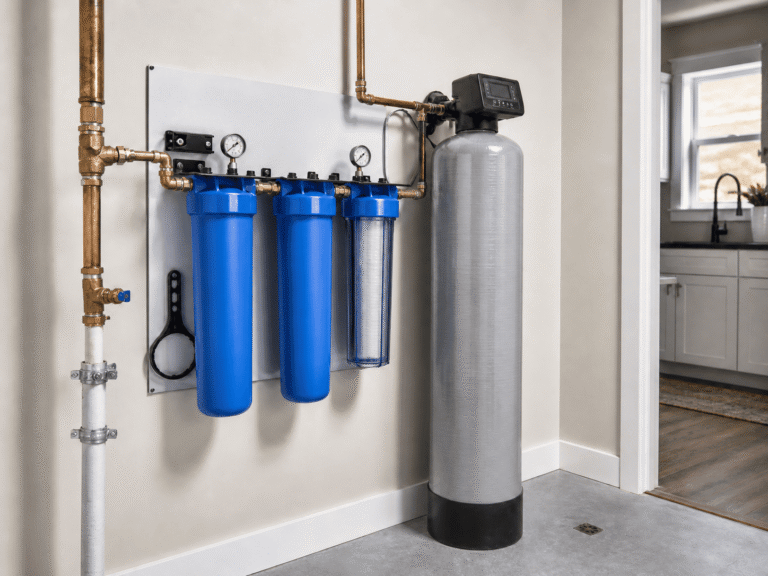
Whole-home systems treat water as it enters the property, which can be useful when you want to address issues affecting showers, laundry, appliances, and other fixtures. Point-of-use systems, meanwhile, are installed at a specific faucet or appliance and can be useful when your primary concern is drinking and cooking water.
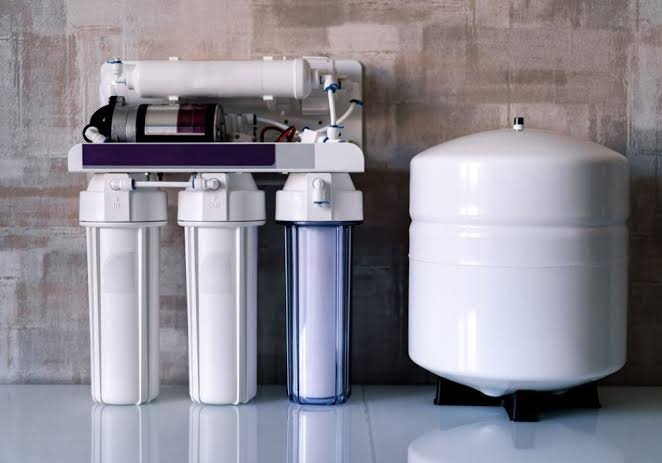
For example, a household may want a softener for hard water throughout the home but also choose reverse osmosis filtration under the kitchen sink for additional drinking-water treatment.
There isn’t one universal setup. In fact, trying to force one system to solve every possible water problem can sometimes be counterproductive. Different contaminants and water characteristics require different treatment methods.
Don’t Ignore Maintenance
Even a high-quality treatment system needs attention from time to time. Filters have to be replaced, softeners may need salt or other consumables, and equipment should be checked to make sure it continues operating properly.
This part is easy to forget. Life gets busy, and a filter that should have been changed three months ago can quietly become a “I’ll do it next weekend” project.
Regular maintenance helps protect performance and can also extend the useful life of the equipment. Keep an eye on changes in water taste, pressure, odor, or appearance. They’re not always signs of a serious problem, but they’re worth investigating.
Professional Guidance Can Save You Money
It may seem cheaper to choose a treatment system on your own, especially when online shopping makes dozens of options available in minutes. But buying the wrong equipment can become an expensive mistake.
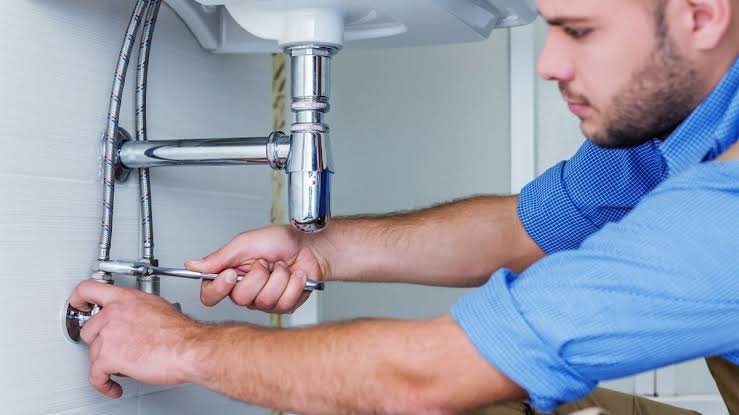
A professional assessment can identify whether you actually need softening, filtration, disinfection, or a combination of technologies. It can also help determine system sizing and installation requirements.
The best trusted water treatment solutions are usually the ones built around the home’s actual water conditions rather than a generic sales pitch. That means testing first, explaining the results, and recommending equipment based on those findings.
It’s a little like buying shoes. You wouldn’t choose a pair simply because they’re expensive or popular. You’d want the right size, the right purpose, and something that fits your everyday life.
Think About the Long-Term Value
Price naturally matters, but the cheapest system isn’t necessarily the most affordable over time. Consider installation, replacement filters, salt or other supplies, electricity or water usage, repairs, and expected lifespan.
It’s also worth thinking about the equipment you already have. Reducing scale buildup can help protect plumbing fixtures and water-using appliances, potentially making treatment a practical home-maintenance investment rather than just an upgrade for better-tasting water.
Still, expectations should stay realistic. No single system removes everything from every water source. Treatment should be selected according to a specific water-quality issue, and claims about contaminant reduction should be checked against reliable product documentation and testing.
A Smarter Way to Improve Your Home’s Water
Good water treatment doesn’t have to be complicated. Start with testing, identify the actual problem, compare technologies, and choose equipment that matches your home’s needs. If professional installation is required, work with a provider that can explain the process instead of burying you in technical jargon.
Most importantly, don’t treat water quality as a one-size-fits-all problem. What works beautifully for your neighbor may not be right for your home at all.
Clean, comfortable water is something you notice most when it isn’t there. A thoughtful treatment system can quietly solve those everyday frustrations—from mineral deposits on the faucet to unpleasant tastes in your morning glass of water. And once the right system is in place and properly maintained, you may barely think about it again. Honestly, that’s probably the best sign that you chose well.